Critic Got Debunked After Asking Myron To Water Down His Message!
TL;DR
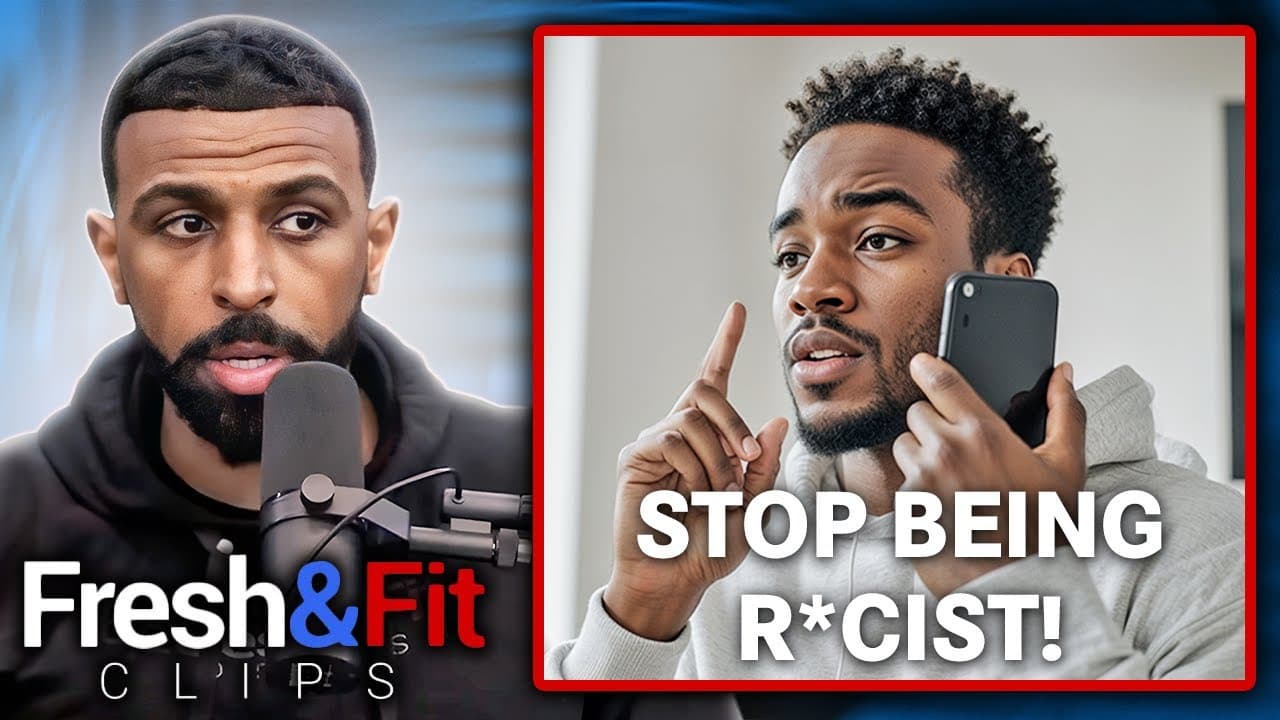
The discussion delves into racial sensitivities and critical thinking within media commentary.
Transcript
two and three three you are up yeah I'm I'm a hater but I would say I'm a logical hater um I'm a big fan of the show and um I just want to say I'm not sure if anyone sold you this week minin but um I know you talk about the great noticing and um obviously a lot of these people are getting these podcasts and [ __ ] but I think you're a big player in... Read More
Key Insights
- 💪 Media commentary on race can evoke strong emotional responses, complicating logical discussions and engagement.
- 🥺 Authenticity in addressing controversial topics often leads to polarization, making it difficult to maintain a broad audience.
- 👥 Sensitivity levels vary significantly among racial groups, affecting how critiques are received and interpreted.
- 🤔 Critical thinking skills play a crucial role in how audiences respond to discussions about race and societal issues.
- 💖 The speaker argues that their controversial humor is a tool for sparking necessary conversations, despite potential backlash.
- 🖤 Engaging with audiences who lack deep understanding may require a different approach that the speaker is reluctant to adopt.
- 💁 The dynamics of race and discourse challenge the possibility of forming bridges of understanding across different communities.
Install to Summarize YouTube Videos and Get Transcripts
Explore YouTube Video Summarizer or Get YouTube Transcript Extractor
Questions & Answers
Q: What is the main issue discussed regarding race and media commentary?
The central issue revolves around how jokes and critiques about race can lead to emotional reactions rather than logical discussions. The conversation addresses the difficulties in communicating effectively about race when the audience feels offended or sensitive, particularly targeting black individuals in this context.
Q: How does the speaker view the challenges in reaching a broader audience?
The speaker believes that being polarizing and authentic comes with the territory when discussing sensitive topics, and they prioritize staying true to their views over attempting to broaden their appeal. They argue that those easily offended may lack the critical thinking skills necessary to engage with more complex discussions.
Q: Why does the speaker think that some groups react more strongly than others to criticism?
The speaker posits that the black community seems to have heightened sensitivities when criticized, attributing this to historical contexts and social dynamics. They contrast this with responses from other racial groups who may not react as vehemently to the same jokes or critiques, suggesting a deeper societal issue at play.
Q: How does the speaker plan to address criticism from their audience?
The speaker indicates that they are not focused on winning over sensitive audiences but are dedicated to promoting critical thinking. They emphasize that their goal is not to please everyone, especially those who might not engage with their ideas logically, but rather to stand firmly on their beliefs.
Summary & Key Takeaways
-
The speaker shares mixed feelings about the use of humor in discussing race, particularly how it impacts communication with different audiences.
-
The conversation highlights the challenge of engaging with individuals who may not respond logically due to emotional reactions, sparking a debate on acceptable discourse.
-
It emphasizes the importance of standing firmly on one's views while recognizing that this polarizes audiences, ultimately questioning the balance between authenticity and public approval.
Read in Other Languages (beta)
Share This Summary 📚
Summarize YouTube Videos and Get Video Transcripts with 1-Click
Try YouTube Summary with ChatGPT & Claude or YouTube Transcript Generator
Explore More Summaries from FreshandFit 📚

Summarize YouTube Videos and Get Video Transcripts with 1-Click
Try YouTube Summary with ChatGPT & Claude or YouTube Transcript Generator