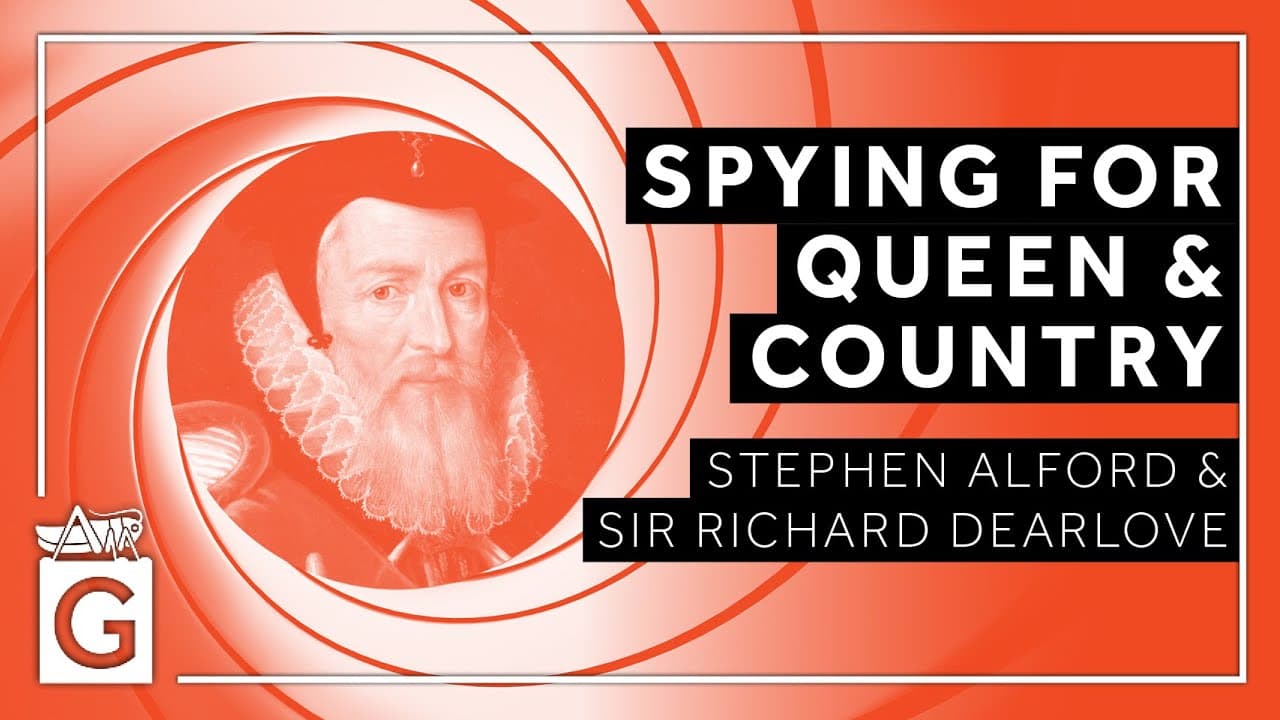
Spying for Queen and Country
TL;DR
The Lord Burghley 500 Lecture discusses the history of espionage in the 16th century and its relevance to modern-day intelligence gathering.
Transcript
- Hello, everyone. It's a pleasure to welcome you all to the Lord Burghley 500 lecture, which is a joint project between The City of London Corporation, The Lord Burghley Foundation and Gresham College. My name is William Russell and I'm the 692nd Lord Mayor of the City of London. I know that many of you watching have been eagerly awaiting tonight'... Read More
Key Insights
- 🎁 Espionage has a long history and has always aimed to gain an advantage in adversarial situations, whether in the 16th century or the present day.
- 🤩 Lord Burghley was a key figure in Elizabethan espionage, working to protect Queen Elizabeth I and counter Catholic conspiracies and the threat from Spain.
- ⌛ The objectives and techniques of espionage have remained remarkably similar over time, highlighting the enduring importance of intelligence gathering.
- 💢 The human factor, including motivations, relationships, and training of agents, is crucial in espionage, regardless of the era.
Install to Summarize YouTube Videos and Get Transcripts
Explore YouTube Video Summarizer or Get YouTube Transcript Extractor
Questions & Answers
Q: What motivated Lord Burghley to engage in espionage?
Lord Burghley's motivations for espionage were multi-fold. He was driven by a sense of duty to protect Queen Elizabeth I and ensure the safety of England. He was also influenced by ideological factors, as he aimed to counter Catholic conspiracies and the threat posed by Spain.
Q: How were agents recruited and trained during the 16th century?
Recruitment methods varied, but often involved identifying individuals with access to sensitive information or connections to relevant networks. Training was predominantly informal, with case officers mentoring and guiding agents based on their own experience and expertise.
Q: How did intelligence gathering in the 16th century differ from modern methods?
Intelligence gathering in the 16th century relied heavily on human intelligence and decrypting coded messages. It lacked the sophisticated technology and methods used in modern-day intelligence work, such as signals intelligence and analysis of big data.
Q: What role did patronage play in Elizabethan espionage?
Patronage was integral to Elizabethan espionage, as individuals were often rewarded or supported by powerful figures in exchange for their intelligence services. Lord Burghley and Sir Robert Cecil played significant roles in managing networks of informants and agents.
Summary & Key Takeaways
-
The lecture explores the life and career of Lord Burghley, Queen Elizabeth I's trusted advisor, and his role in espionage during the 16th century.
-
It highlights the importance of intelligence gathering during that time, particularly in the face of threats from Catholic conspirators and Spain.
-
The lecture draws parallels between historical espionage and modern-day intelligence work, emphasizing the common objective of gaining an advantage in adversarial situations.
Read in Other Languages (beta)
Share This Summary 📚
Summarize YouTube Videos and Get Video Transcripts with 1-Click
Try YouTube Summary with ChatGPT & Claude or YouTube Transcript Generator
Explore More Summaries from Gresham College 📚

Summarize YouTube Videos and Get Video Transcripts with 1-Click
Try YouTube Summary with ChatGPT & Claude or YouTube Transcript Generator