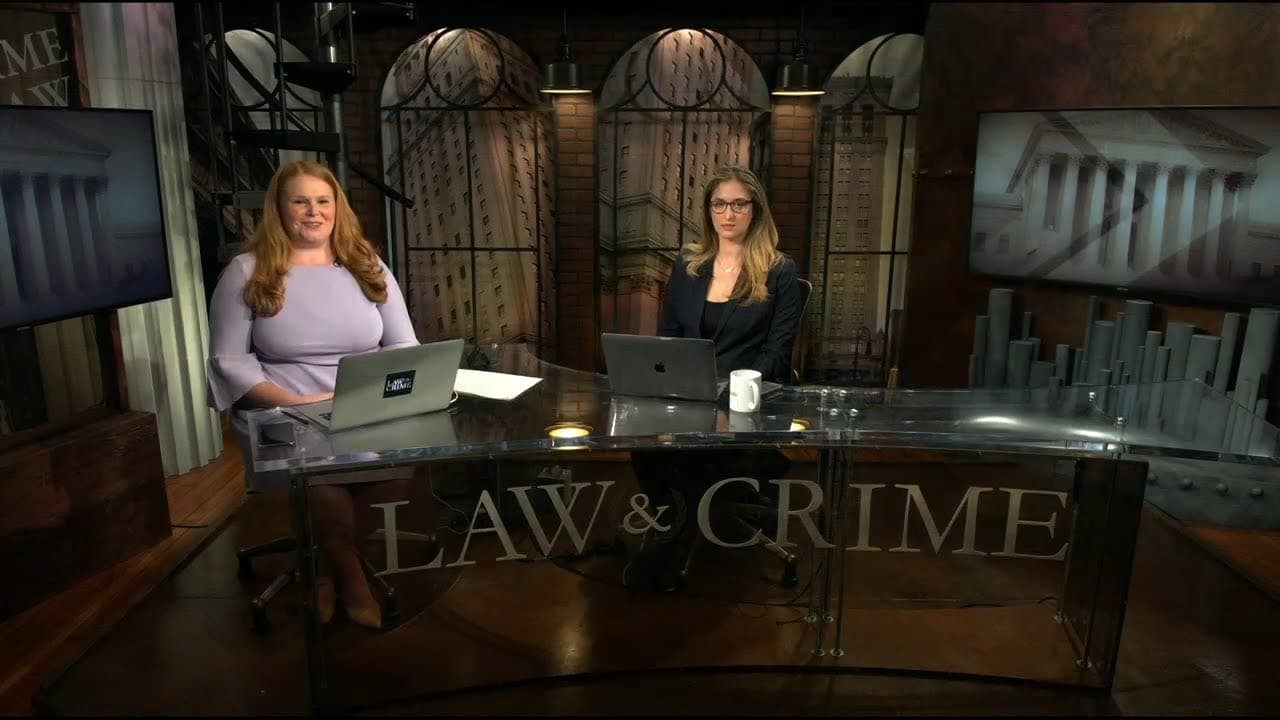
Misty Marris & Trial Attorney Katherine Smith Discuss the Kellen Winslow Trial 06/04/19
TL;DR
Prosecution presents closing arguments in the Kellen Winslow case, focusing on similarities between allegations and importance of consent and fear in establishing guilt.
Transcript
good afternoon welcome to the lawn prime Network I'm misty Maris and today we have a big day here on law and crime we have two cases we are waiting and watching for a verdict we also have the Kellen Winslow case that case at closing arguments are expected soon okay we're watching the prosecution's closing arguments in the Kellen Winslow case I want... Read More
Key Insights
- 💼 The prosecution focused on establishing connections between the victims' allegations and drawing out commonalities as a strategy to strengthen the case against the defendant.
- 🖤 Misconceptions about consent were addressed, highlighting the importance of understanding that lack of physical struggle does not imply consent.
- 😒 The prosecutor's emphasis on the defendant's alleged propensity for sexual violence and the use of physical evidence supports their argument that the encounters were non-consensual.
- 😀 The defense's claim of consensual encounters faced challenges due to a lack of evidence and the burden of proof falling on the prosecution.
- 😨 The prosecution's focus on fear and duress contributed to establishing a lack of consent and countered the defense's argument about consent being revoked.
- ❓ The demeanor of the victims during their testimonies varied, debunking the misconception that victims should display consistent reactions.
- 💼 The prosecutor strategically addressed potential vulnerabilities and arguments by the defense to strengthen their case.
Install to Summarize YouTube Videos and Get Transcripts
Explore YouTube Video Summarizer or Get YouTube Transcript Extractor
Questions & Answers
Q: What did the prosecution focus on in its closing arguments in the Kellen Winslow case?
The prosecution emphasized the similarities between the victims' allegations, the defendant's alleged propensity for sexual violence, and the misconception that lack of physical struggle implies consent.
Q: How did the prosecution argue against the defense's claim of consensual encounters?
The prosecution pointed out that there was no evidence presented by the defense to prove consent, and that the burden of proof lies with the prosecution to establish lack of consent.
Q: What was the significance of the prosecution highlighting the victims' demeanor during their testimonies?
The prosecution aimed to address the misconception that victims of sexual assault should exhibit consistent reactions, emphasizing that trauma can elicit different responses from different individuals.
Q: How did the prosecution argue against the defense's claim that consent was revoked?
The prosecution maintained that the defendant's alleged acts of physical violence and threats created an atmosphere of fear and duress, making it difficult for the victims to freely withdraw their consent.
Summary & Key Takeaways
-
The prosecution emphasizes the importance of establishing a connection between the victims and drawing out commonalities in their allegations and testimony.
-
The prosecution argues that the defendant's alleged propensity for sexual violence is evident in the numerous allegations against him and the inconsistent denials of sexual contact.
-
The prosecution addresses misconceptions about consent, highlighting that lack of physical struggle does not imply consent and that victims can react differently to trauma.
Read in Other Languages (beta)
Share This Summary 📚
Summarize YouTube Videos and Get Video Transcripts with 1-Click
Try YouTube Summary with ChatGPT & Claude or YouTube Transcript Generator
Explore More Summaries from Law&Crime Network 📚





Summarize YouTube Videos and Get Video Transcripts with 1-Click
Try YouTube Summary with ChatGPT & Claude or YouTube Transcript Generator