Why Genetic Engineering Can’t Do Everything (Yet)
TL;DR
Genetic research, particularly in birds, presents challenges such as missing genes, difficulties in DNA sequencing due to chemical composition, complex potato chromosomes, and the need for innovative techniques to genetically modify ticks.
Transcript
Thank you to Cometeer for sponsoring today’s episode! Cometeer is 100% brewed coffee, flash frozen and delivered to your door. Head to cometeer.com and use code “SCISHOW30” and you’ll get 30% off your first order plus free shipping! [ intro ] When we talk about DNA as a code, this can obscure a basic fact: working with genetic material in the lab i... Read More
Key Insights
- 🐦 Sequencing bird genomes has revealed missing genes and potential evolutionary changes, highlighting the complexities of studying genetics in different living organisms.
- ✋ The chemical composition of DNA, particularly high GC content, can pose challenges in accurately sequencing genomes, requiring innovative techniques to overcome biases.
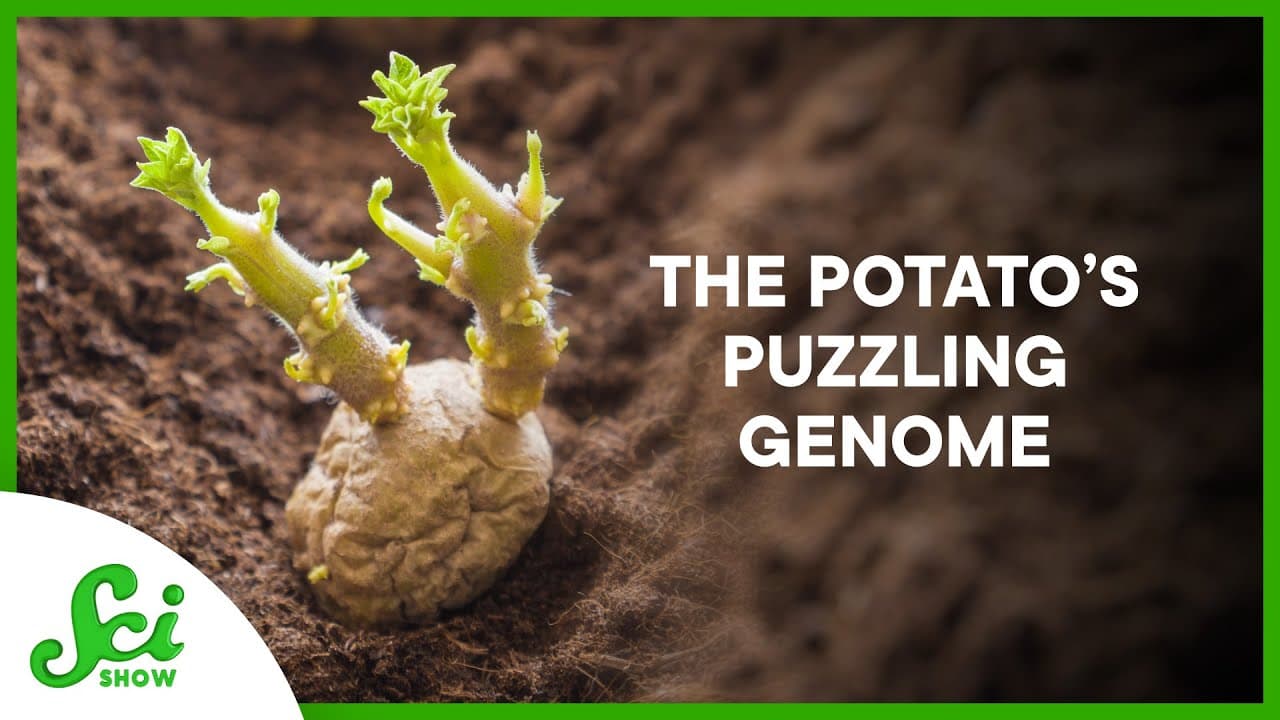
- 🥔 Tetraploid chromosomes in potatoes complicate genome sequencing due to variations in gene location and repetition, necessitating creative approaches such as using pollen grains for reconstruction.
Install to Summarize YouTube Videos and Get Transcripts
Explore YouTube Video Summarizer or Get YouTube Transcript Extractor
Questions & Answers
Q: Why was the absence of expected genes in the chicken genome surprising to scientists?
The chicken genome was expected to have genes present in humans, mice, and zebrafish, but over two thousand genes were missing, raising questions about their absence and potential evolutionary changes in birds.
Q: How does the chemical composition of bird DNA affect DNA sequencing?
Bird DNA has a high GC content, which makes it challenging to read using standard sequencing techniques. Innovative methods are required to overcome the biases and accurately sequence bird genomes.
Q: Why did it take a long time to sequence the potato genome?
Potatoes have tetraploid chromosomes with variations in gene location and repetition, making it difficult to assemble a complete and accurate genome sequence. Sorting out sets of four chromosomes required innovative methods using pollen grains to ensure accurate reconstruction.
Q: What challenges did researchers face in genetically modifying ticks?
Tick eggs have protective barriers such as wax and a hard outer membrane, making it difficult to inject new DNA using traditional methods. Researchers had to remove the wax-producing organ and perform tick surgery to successfully edit tick genes.
Summary & Key Takeaways
-
Genetic research is complex due to the physical nature of DNA and the presence of other cellular components.
-
Bird genomes have been found to be missing genes that are present in other vertebrates, leading to questions about their evolution and DNA composition.
-
Potatoes have tetraploid chromosomes, making it challenging to sequence and understand their genetic makeup.
-
The genetic modification of ticks has faced obstacles due to the protective nature of tick eggs, requiring innovative techniques such as tick surgery.
Read in Other Languages (beta)
Share This Summary 📚
Summarize YouTube Videos and Get Video Transcripts with 1-Click
Try YouTube Summary with ChatGPT & Claude or YouTube Transcript Generator
Explore More Summaries from SciShow 📚
Summarize YouTube Videos and Get Video Transcripts with 1-Click
Try YouTube Summary with ChatGPT & Claude or YouTube Transcript Generator