What Really Happens To Your Body When You Drown?
TL;DR
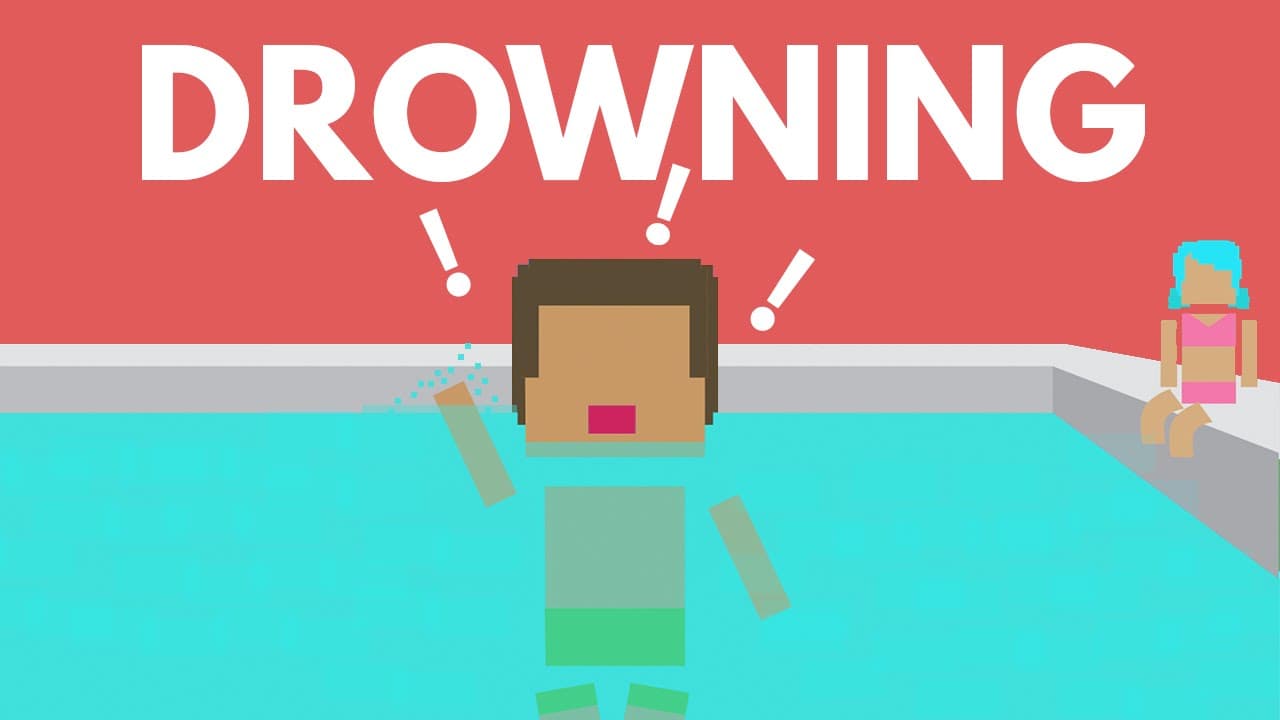
Drowning is not like what we see in movies. It is a silent act where the person's mouth sinks below the water's surface, triggering a laryngospasm, blocking their airways. The lack of oxygen can lead to hypoxia and potential brain damage.
Transcript
Hey there and welcome to Life Noggin. Every year, there are over 370,000 drowning deaths worldwide, with children under 5 being the most at risk. And with all the drowning deaths you see in movies and TV, it’s no wonder that people are afraid of dying that way. But what’s actually going on during that process? Well, firstly, drowning isn’t like how... Read More
Key Insights
- 😱 Drowning is often a silent act without thrashing or screaming.
- 💄 Laryngospasm can occur during drowning, making it difficult to call for help.
- 🥺 Hypoxia is a condition that arises from the lack of oxygen during drowning and can lead to brain damage or cardiac arrest.
- 🥶 Cold water and hypothermia can trigger the diving reflex, potentially prolonging survival and reducing damage from hypoxia.
- 😩 It is crucial to prioritize water safety measures and wear life jackets to prevent drowning.
- 🥺 Hypothermia can prevent the effects of hypoxia but can lead to other risks and complications.
- 👶 Some individuals, especially young children, have been able to survive drowning after being submerged for more than 10 minutes.
Install to Summarize YouTube Videos and Get Transcripts
Explore YouTube Video Summarizer or Get YouTube Transcript Extractor
Questions & Answers
Q: What causes drowning to be a silent act?
Drowning is often silent because when someone's mouth sinks below the water's surface, it triggers a laryngospasm that blocks their airways, making it difficult to yell or call for help.
Q: What is hypoxia, and why is it dangerous?
Hypoxia is a condition where there is not enough oxygen reaching the body's tissues. It occurs during drowning when the person cannot take in any fresh air. Hypoxia can lead to brain damage and cardiac arrest.
Q: Can the effects of hypoxia be prevented in cold water?
Yes, in cold water, the diving reflex can be triggered by hypothermia. This reflex causes blood vessels to constrict, diverting blood to the brain and other vital organs. It can help prolong survival and prevent tissue damage from hypoxia.
Q: Can someone survive drowning after being submerged for a long time?
While it is possible for some individuals, especially young children, to survive drowning even after being submerged for more than 10 minutes, it is not recommended to try replicating this. It is best to prioritize water safety measures.
Summary & Key Takeaways
-
Drowning is not like what is portrayed in movies; it is often silent, with no thrashing or yelling for help.
-
When someone starts to drown, their mouth sinks below the water's surface, triggering a laryngospasm that blocks their airways.
-
The lack of oxygen can lead to hypoxia, causing potential brain damage or cardiac arrest.
Read in Other Languages (beta)
Share This Summary 📚
Summarize YouTube Videos and Get Video Transcripts with 1-Click
Try YouTube Summary with ChatGPT & Claude or YouTube Transcript Generator
Explore More Summaries from Life Noggin 📚





Summarize YouTube Videos and Get Video Transcripts with 1-Click
Try YouTube Summary with ChatGPT & Claude or YouTube Transcript Generator