O JEITINHO BRASILEIRO | Nerdologia

TL;DR
Explores the cultural and psychological factors influencing dishonesty.
Transcript
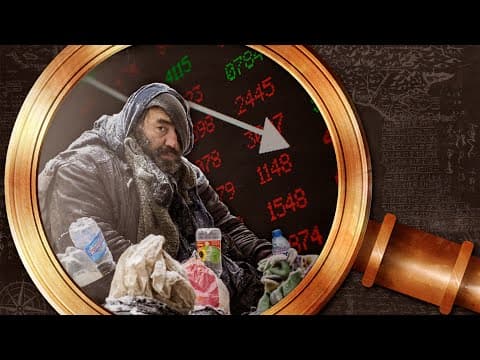
[intro music] Welcome to Nerdologia! I'm Atila, biologist, researcher and Nerdologia is here to set an example Today we will see what encourages dishonesty Last year, Brazil fell in the Transparency corruption perception index that although criticized, still is a reference source for those who plan to invest in other countries We are not among the ... Read More
Key Insights
- Brazil ranks poorly on the Transparency corruption perception index, highlighting widespread issues with dishonesty and corruption within the country.
- An experiment by Dan Ariely shows that people tend to cheat just enough to benefit without feeling guilty, indicating a complex relationship between self-perception and dishonest behavior.
- Cultural differences in legal systems and incentives impact levels of dishonesty, but the inherent inclination to be dishonest is consistent across countries.
- The presence of authority figures engaging in dishonest behavior can significantly influence others to act dishonestly, demonstrating the power of social influence.
- Rationalization and justification play crucial roles in dishonest behavior, with more time to think leading to higher instances of dishonesty.
- Physical and psychological distance from the consequences of dishonesty, such as using gift vouchers instead of cash, increases the likelihood of cheating.
- The infamous 'Law of Gerson' in Brazil reflects a cultural tendency to take advantage, which can perpetuate dishonest behavior.
- Public figures and authority figures' dishonest actions, when left unpunished, set a poor example and can normalize dishonest behavior in society.
Install to Summarize YouTube Videos and Get Transcripts
Explore YouTube Video Summarizer or Get YouTube Transcript Extractor
Questions & Answers
Q: What is the Transparency corruption perception index?
The Transparency corruption perception index is a global ranking that measures the perceived levels of public sector corruption in countries around the world. It is used as a reference by investors and policymakers to understand the corruption landscape in different countries, despite some criticisms of its methodology.
Q: What experiment did Dan Ariely conduct to study dishonesty?
Dan Ariely conducted an experiment where participants were given a math test with cash rewards for correct answers. Participants could report their scores without verification, allowing them to cheat. The study found that most people added a small number of correct answers to benefit without feeling guilty, demonstrating a balance between self-perception and dishonest behavior.
Q: How does culture influence dishonesty according to the video?
Culture influences dishonesty through legal systems and societal incentives. While the inclination to be dishonest is consistent across countries, cultural differences in how dishonesty is perceived and punished can lead to varying levels of dishonest behavior. The video suggests that cultural norms and examples set by authority figures also play a significant role.
Q: What role do authority figures play in influencing dishonesty?
Authority figures have a significant impact on influencing dishonesty. When authority figures engage in dishonest behavior without facing consequences, it sets a poor example and can normalize such behavior in society. The video highlights that the presence of authority figures engaging in dishonesty can lead others to act similarly, showing the power of social influence.
Q: What is the 'Law of Gerson' mentioned in the video?
The 'Law of Gerson' is a cultural reference in Brazil that suggests taking advantage of every situation, even if it involves dishonest means. It reflects a societal tendency to prioritize personal gain over ethical considerations, which can perpetuate dishonest behavior. The video uses this concept to illustrate cultural factors that encourage dishonesty.
Q: How does rationalization affect dishonest behavior?
Rationalization plays a crucial role in dishonest behavior. The video explains that when people have more time to think of justifications for their actions, they are more likely to engage in dishonest behavior. Rationalization allows individuals to reconcile their actions with their self-perception, reducing feelings of guilt and making dishonesty more palatable.
Q: What impact does distance from consequences have on dishonesty?
Distance from the consequences of dishonesty, both physical and psychological, increases the likelihood of dishonest behavior. The video mentions that when rewards are given in non-monetary forms, like gift vouchers, the amount of cheating increases. This distance makes the dishonest act feel less like theft, reducing the psychological barrier to cheating.
Q: What message does the video convey about elections and dishonesty?
The video conveys that elections are an opportunity for individuals to reduce the number of bad examples set by public figures. By voting for honest leaders and holding authority figures accountable, society can combat the cultural factors that encourage dishonesty. The video encourages viewers to set positive examples and challenge the normalization of dishonest behavior.
Summary & Key Takeaways
-
The video discusses the factors that encourage dishonesty, using Brazil's corruption ranking and experiments by Dan Ariely to illustrate how people rationalize dishonest behavior. It highlights cultural differences and the role of social influence in shaping these behaviors.
-
Dan Ariely's experiments reveal that people cheat just enough to benefit without feeling guilty, and this tendency is consistent across cultures. The video emphasizes the impact of authority figures and societal examples in perpetuating dishonest behavior.
-
The video concludes by urging viewers to recognize the cultural factors that encourage dishonesty and to take action during elections to reduce the number of bad examples. It stresses the importance of setting positive examples to counteract societal tendencies toward dishonesty.
Read in Other Languages (beta)
Share This Summary 📚
Summarize YouTube Videos and Get Video Transcripts with 1-Click
Try YouTube Summary with ChatGPT & Claude or YouTube Transcript Generator
Explore More Summaries from Nerdologia 📚




Summarize YouTube Videos and Get Video Transcripts with 1-Click
Try YouTube Summary with ChatGPT & Claude or YouTube Transcript Generator