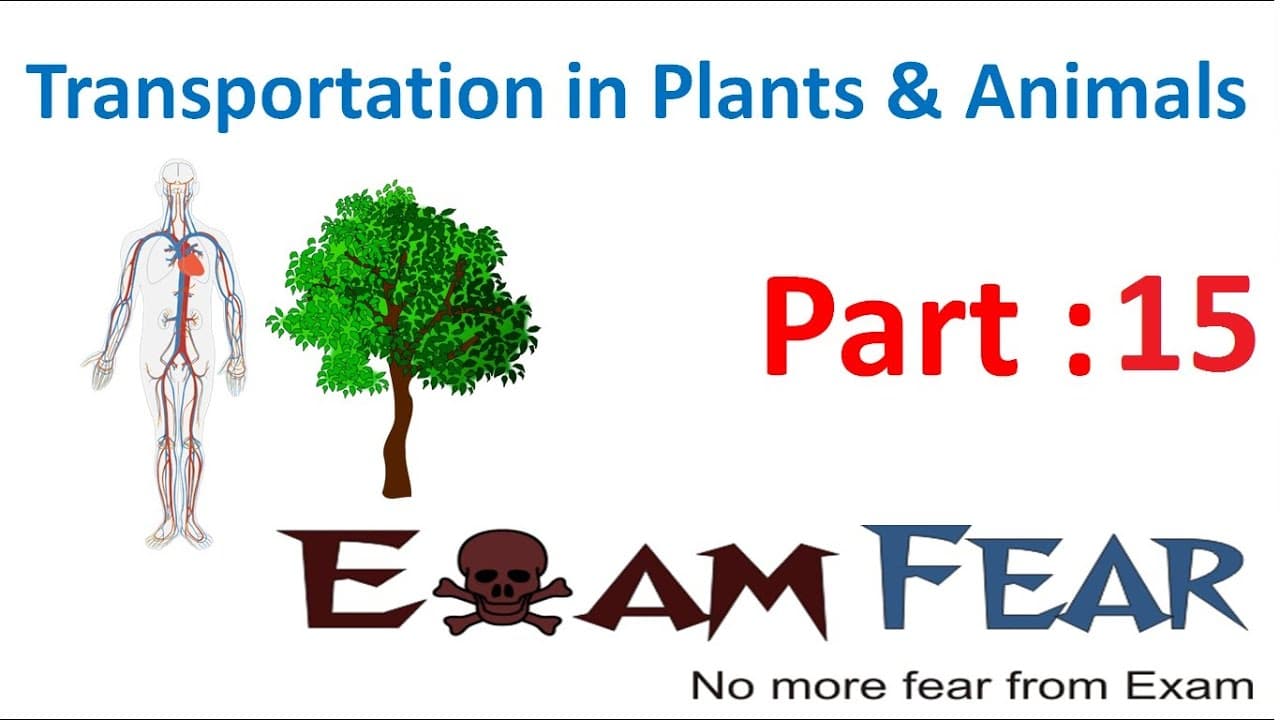
Biology Transport in Plants Animals Part 15 (Heart Beat, Cardiac Cycle) Class 7 VII
TL;DR
The video explains how the heart beats through the contraction and relaxation of the auricles and ventricles, which creates the rhythmic heartbeat.
Transcript
hello friends this video on transport in plants and animals part 15 is brought to you by exam for your calm no more fear from exam buts so now the question is how does the heart beat now to some extent I already discussed it that as the blood flows through the different chambers of the heart the oracles and the electricals they think to contract an... Read More
Key Insights
- 💓 The heart beats through the contraction and relaxation of the auricles and ventricles, which creates the rhythmic heartbeat.
- 🥰 Systole refers to contraction, and diastole refers to relaxation in the context of the heart.
- 🥰 Valves in the heart ensure proper blood flow and prevent backflow.
Install to Summarize YouTube Videos and Get Transcripts
Explore YouTube Video Summarizer or Get YouTube Transcript Extractor
Questions & Answers
Q: How does the heart beat?
The heart beats due to the rhythmic contraction and relaxation of the auricles and ventricles. As blood flows through the different chambers, they contract and relax, creating the heartbeat.
Q: What is systole and diastole?
Systole refers to contraction, while diastole refers to relaxation. In the context of the heart, auricular systole is when the oracles contract, ventricular systole is when the ventricles contract, auricular diastole is when the oracles relax, and ventricular diastole is when the ventricles relax.
Q: What is the purpose of the valves in the heart?
The valves in the heart ensure proper blood flow and prevent backflow. When the ventricles contract, the bicuspid and tricuspid valves close to prevent blood from flowing back into the oracles. The pulmonary valve opens, allowing blood to flow from the right ventricle to the lungs.
Q: What is the cardiac cycle?
The cardiac cycle is the complete sequence of events that occur during one heartbeat. It consists of joint diastole (both oracles and ventricles relaxed), auricular systole (oracle contraction), ventricular systole (ventricle contraction), and subsequent diastole. This cycle repeats continuously.
Summary & Key Takeaways
-
The heart beats through the contraction and relaxation of the auricles and ventricles, which is known as the cardiac cycle.
-
The cardiac cycle consists of systole (contraction) and diastole (relaxation) of both the auricles and ventricles.
-
Blood flows through the heart in a sequential manner, from the oracles to the ventricles, and then to different parts of the body.
Read in Other Languages (beta)
Share This Summary 📚
Summarize YouTube Videos and Get Video Transcripts with 1-Click
Try YouTube Summary with ChatGPT & Claude or YouTube Transcript Generator
Explore More Summaries from LearnoHub - Class 11, 12 📚


Summarize YouTube Videos and Get Video Transcripts with 1-Click
Try YouTube Summary with ChatGPT & Claude or YouTube Transcript Generator