NASA Spacecraft Fire and Combustion

TL;DR
NASA studies combustion science in space to understand fire prevention, power generation, and heat and propulsion, as 85% of our energy comes from burning fuels, and fire poses a significant risk in space flight.
Transcript
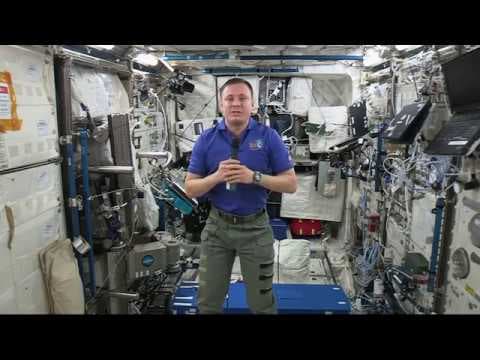
(mysterious music) - Hi, I'm Craig Kundrot, the director of NASA's Space Life and Physical Sciences Research and Applications Division. Our work in the division focuses on enabling human space flight exploration and pioneering scientific discovery. What is combustion science and why do we study it in space flight? - Well, if you think about it in a... Read More
Key Insights
- 👾 85% of our energy comes from burning fuels, making the study of combustion science crucial for space exploration and understanding power generation.
- ❤️🔥 Fire is a significant hazard in space flight, and improving our understanding of fire helps mitigate risks for astronauts.
- 🔥 Materials burn differently in space, with the absence of dripping resulting in the accumulation of molten materials, increasing the risk of fires.
- 🎨 NASA conducts combustion experiments in a safe environment on the ISS, using specially designed equipment such as the Microgravity Science Glove Box.
- ❤️🔥 The Saffire experiments provided the opportunity to study large-scale fires with more fuel and surface area.
- 🥺 Combustion research in space often yields unexpected findings, leading to new theories and avenues for further exploration.
- 😘 NASA is currently focusing on low-temperature chemistry, gaseous flames, and solid fuel experiments in the pursuit of new discoveries.
Install to Summarize YouTube Videos and Get Transcripts
Explore YouTube Video Summarizer or Get YouTube Transcript Extractor
Questions & Answers
Q: Why is studying combustion science important in space flight?
Combustion science is vital as 85% of our energy comes from burning fuels. Understanding fire prevention, power generation, and heat and propulsion in space is essential for human space exploration and ensuring the safety of astronauts.
Q: How do materials behave differently when they burn in space compared to on Earth?
Materials in space burn differently, with molten materials accumulating instead of dripping as they do on Earth. This accumulation creates flammable fuel, increasing the risk of fires in space.
Q: How does NASA conduct combustion experiments in a safe environment on the International Space Station (ISS)?
NASA uses small flow ducts placed within larger experiment racks, such as the Microgravity Science Glove Box. Astronauts access the flame through glove ports, ensuring they are not directly exposed to the fire.
Q: What unexpected findings have occurred in combustion research in space?
Unexpected findings include flame growth into tiny spots that propagate outward, which was observed in an experiment studying smoldering fabric. These unexpected results led to further research and the development of theories explaining the phenomenon.
Summary & Key Takeaways
-
The Space Life and Physical Sciences Research division at NASA focuses on studying combustion science to enable human space flight exploration and scientific discovery.
-
Combustion science in space encompasses three areas: fire and its prevention, power generation, and heat and propulsion.
-
Materials burn differently in space, with molten materials accumulating and increasing fire risks due to the absence of dripping. Studying combustion in a safe environment is crucial.
Read in Other Languages (beta)
Share This Summary 📚
Summarize YouTube Videos and Get Video Transcripts with 1-Click
Try YouTube Summary with ChatGPT & Claude or YouTube Transcript Generator
Explore More Summaries from NASA 📚

Summarize YouTube Videos and Get Video Transcripts with 1-Click
Try YouTube Summary with ChatGPT & Claude or YouTube Transcript Generator