What to Expect This Week...
TL;DR
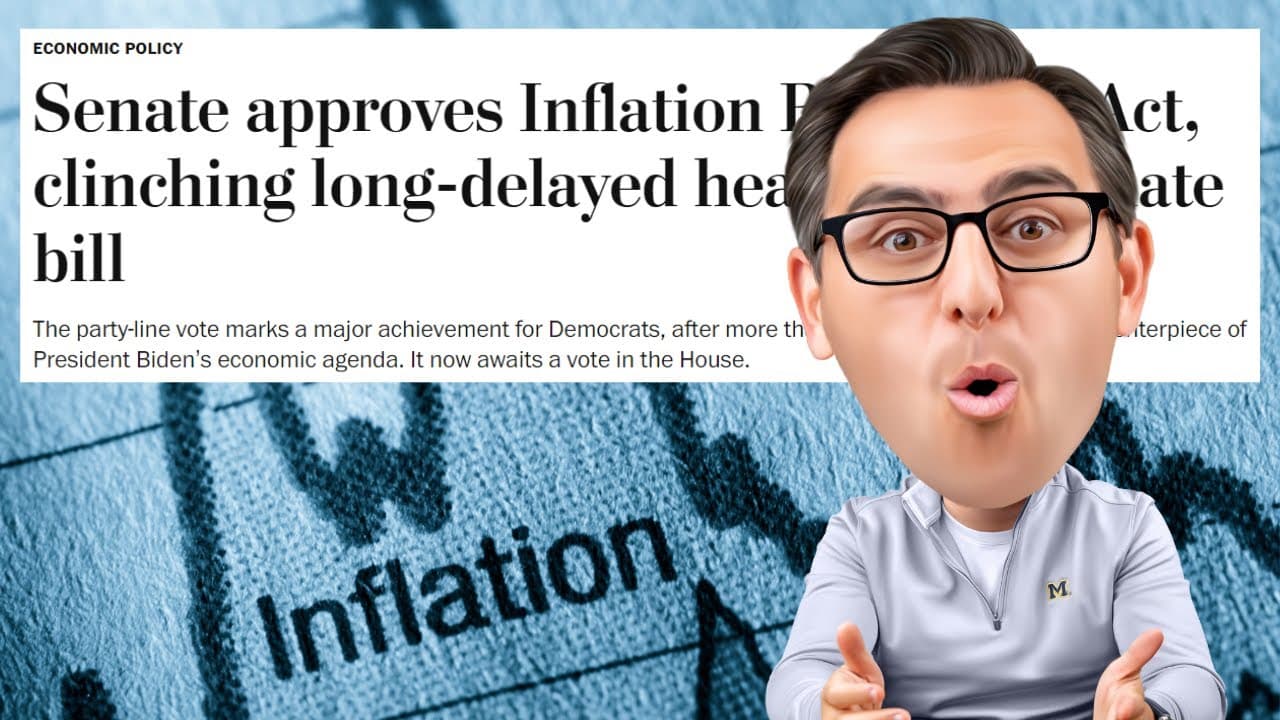
Despite positive job reports, the low small business and consumer sentiment indices indicate concerns of a potential recession. A potential "boomflation" scenario is emerging, accompanied by anecdotal evidence of a cooling housing market.
Transcript
big week this week in terms of the data coming out last week we had a jobs report come out and more jobs were added unemployment went down and everyone was excited saying hey this could be a change this could be to start something great that is true but i want to remind everybody jobs are a lagging indicator in the economy i'm not willing to say if... Read More
Key Insights
- 🏴☠️ Jobs reports and unemployment rates are lagging indicators that do not provide a complete view of the current economic state.
- 🥺 Small business sentiment reflects concerns about the future, potentially leading to a slowdown in hiring.
- 😘 Consumer sentiment is at historically low levels, suggesting reduced spending and dampening economic growth.
- 😎 Anecdotal evidence of a cooling housing market indicates caution among buyers, potentially influenced by economic uncertainty.
- 🍉 The term "boomflation" describes an inflationary scenario during economic growth, challenging the notion of a fully robust economy.
- ⚾ The content highlights the importance of making investment decisions based on current conditions rather than attempting to predict the future.
- 🍉 The proposed anti-inflation bill, involving significant cash infusion, may have long-term implications for inflation.
Install to Summarize YouTube Videos and Get Transcripts
Explore YouTube Video Summarizer or Get YouTube Transcript Extractor
Questions & Answers
Q: How are jobs reports and unemployment related to the state of the economy?
Jobs reports and unemployment rates are lagging indicators, meaning they reflect past economic conditions. While positive job growth and lower unemployment rates suggest potential economic recovery, they do not provide a full picture of the current economic situation.
Q: What is the "boomflation" scenario mentioned in the content?
Boomflation refers to a situation where inflation occurs during a period of economic growth. This is in contrast to stagflation (stagnant growth with high inflation) and regular inflation during normal times. The content implies that the current positive job market and inflation may be misleading indicators of overall economic health.
Q: What impact does small business sentiment have on the economy?
Small businesses are significant employers, and their sentiment about the future affects their hiring decisions. If small businesses are worried about the future, they may reduce hiring, leading to potential job losses and decreased economic growth.
Q: Why is consumer sentiment important for the economy?
Consumer sentiment plays a crucial role as consumer spending drives around 70% of the US economy. A decline in consumer sentiment indicates reduced confidence and spending intentions, which can have a significant impact on overall economic performance.
Summary & Key Takeaways
-
Jobs report shows positive growth and lower unemployment, suggesting a potential start of economic recovery.
-
Small business sentiment index indicates concerns about the future, leading to a possible slowdown in hiring.
-
Consumer sentiment index reveals a significant drop in spending intentions, highlighting the impact on the economy.
-
Anecdotal evidence of a cooling housing market may reflect the cautious approach of buyers amidst economic uncertainty.
Read in Other Languages (beta)
Share This Summary 📚
Summarize YouTube Videos and Get Video Transcripts with 1-Click
Try YouTube Summary with ChatGPT & Claude or YouTube Transcript Generator
Explore More Summaries from Everything Money 📚
Summarize YouTube Videos and Get Video Transcripts with 1-Click
Try YouTube Summary with ChatGPT & Claude or YouTube Transcript Generator