7 Butterflies That Could Beat You in a Fight
TL;DR
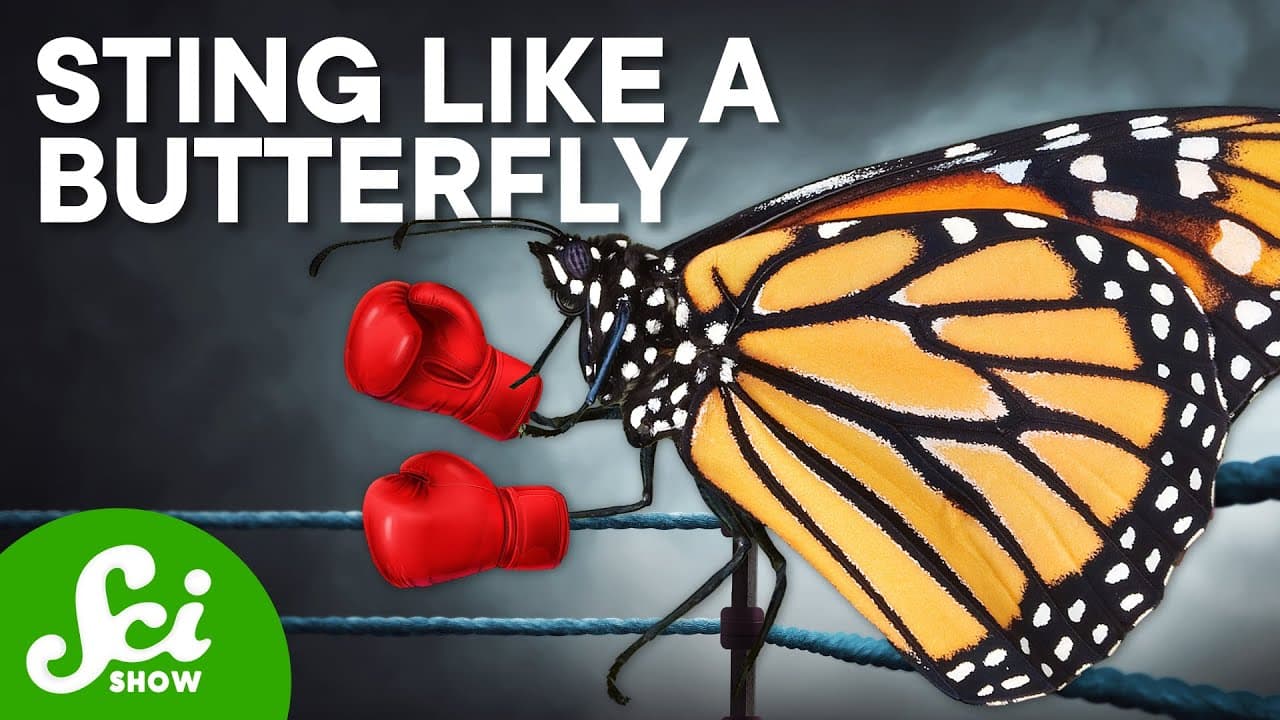
Butterflies have developed various defense mechanisms such as divebombing, chemical deception, tear drinking, eating roadkill, predatory behavior, and toxic compounds to protect themselves.
Transcript
Thanks to Brilliant for supporting this SciShow List Show! As a SciShow viewer, you can keep building your STEM skills with a 30 day free trial and 20% off an annual premium subscription at Brilliant.org/SciShow. You might think butterflies are just pretty flappy things happily perching on flowers being generally lovely and harmless. But let’s pret... Read More
Key Insights
- 😂 Butterflies exhibit a variety of defense mechanisms to protect themselves, including divebombing, chemical deception, startle displays, tear drinking, and unconventional feeding behaviors.
- 💁 Some butterflies form symbiotic relationships with ants to ensure their survival and protection.
- 😘 European Swallowtails have evolved to startle and confuse predators with their rapid wing color changes.
- 🦋 Butterflies like the Julia butterfly benefit from consuming tears, which provide them with essential proteins.
- 💜 Some butterfly species, like the purple emperor, engage in unorthodox feeding behaviors such as consuming roadkill or feces to obtain necessary nutrients.
- 🤱 Certain caterpillars exhibit predatory behavior to capture and feed on prey.
- 🧑 Some adult moths have evolved to sacrifice themselves to provide sustenance for their larvae.
Install to Summarize YouTube Videos and Get Transcripts
Explore YouTube Video Summarizer or Get YouTube Transcript Extractor
Questions & Answers
Q: How do butterflies protect themselves when attacked by other butterflies or predators?
Butterflies like the African oakleaf and African monarch engage in divebombing and use their colorful wings as a disorientation tactic to defend themselves against attackers.
Q: How do some butterflies convince ants to care for their larvae?
Butterflies in the Lycaenidae family release chemical signatures that induce ants to carry and care for their larvae, which preferentially feed on ant eggs.
Q: How do European Swallowtails defend themselves against predators?
European Swallowtails use startle displays, rapidly changing their wing colors from dull to bright, to confuse and deter predators.
Q: Why do some butterflies drink tears?
Butterflies like the Julia butterfly drink tears because tears contain high protein levels, which are easier to digest compared to pollen. It provides them with an energy boost.
Summary & Key Takeaways
-
Butterflies like the African oakleaf and African monarch engage in divebombing and flash their wings as a disorientation tactic during fights with other butterflies or predators.
-
Some butterflies in the Lycaenidae family trick ants into caring for them by releasing chemical signatures, ensuring their survival in the ant colony.
-
European Swallowtails use startle displays to defend themselves against predators, and their bright colors make them unappetizing.
-
The Julia butterfly and other species engage in lachryphagy, where they drink tears as a source of protein and energy.
Read in Other Languages (beta)
Share This Summary 📚
Summarize YouTube Videos and Get Video Transcripts with 1-Click
Try YouTube Summary with ChatGPT & Claude or YouTube Transcript Generator
Explore More Summaries from SciShow 📚


Summarize YouTube Videos and Get Video Transcripts with 1-Click
Try YouTube Summary with ChatGPT & Claude or YouTube Transcript Generator