How Can AI Tools Improve My TOEFL Speaking Score?
TL;DR
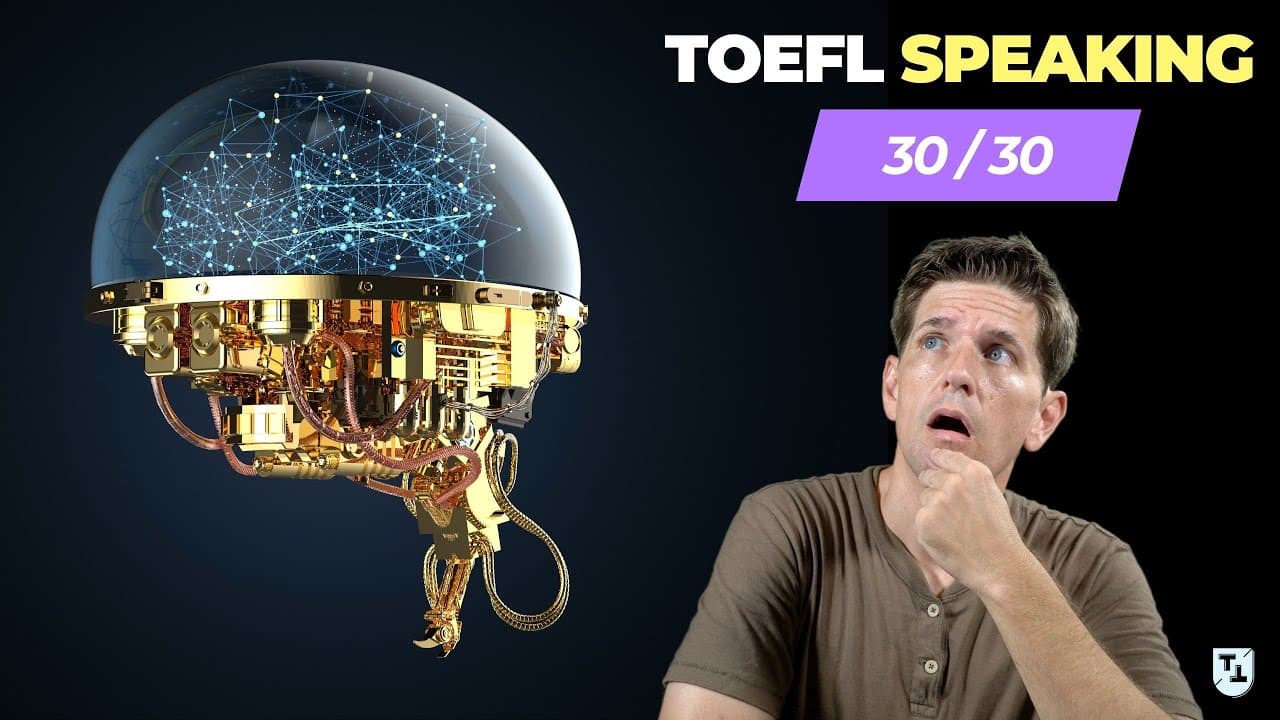
Using AI tools to improve your TOEFL speaking score involves setting SMART goals and practicing strategically. Tools like Elsa Speech Analyzer help assess your pronunciation, fluency, and vocabulary. Regularly recording your responses, employing techniques like shadowing, and replacing simple vocabulary with more advanced words can enhance your speaking skills effectively.
Transcript
one thing to note about this video is that it's really for people are trying to improve their TOEFL speaking score so if you're new to TOEFL and you just need to practice and your test is like next week or in a couple days this is not the right video for you this is more for people who need to work on their TOEFL speaking and want more kind of dail... Read More
Key Insights
- 🎯 Having a smart goal is crucial for improving TOEFL speaking. It should be specific, measurable, achievable, relevant, and timely to ensure progress.
- 📚 Elsa speech analyzer is a useful tool for assessing pronunciation, intonation, fluency, grammar, and vocabulary. It also provides a transcription of your recorded response.
- 🎙️ Recording and re-recording your responses helps improve fluency and speaking speed. Aim to increase the number of words spoken per minute.
- 🔁 Shadowing, using tools like Natural Readers, can help improve pronunciation, intonation, and fluency. Pause and repeat, trying to match the speaker's rhythm and speed.
- ♂️ Increasing speaking speed is possible by bringing words together and practicing speaking in one breath. AI tools can help simulate faster speaking speeds.
- 💡 Replacing vocabulary words in your responses with more sophisticated alternatives helps improve vocabulary and language usage.
- 🗣️ Reading aloud and using Google Docs' voice typing tool can help evaluate pronunciation accuracy and identify areas for improvement.
- 📚 Consider using the TOEFL Emergency Premium Course or Speaker English, websites that provide structured TOEFL speaking practice plans and communities for additional support.
- ⭐️ Remember to set goals, practice, review, and make plans using AI tools throughout your TOEFL speaking journey to see continuous improvement.
Install to Summarize YouTube Videos and Get Transcripts
Explore YouTube Video Summarizer or Get YouTube Transcript Extractor
Questions & Answers
Q: What is the importance of setting a smart goal before practicing TOEFL speaking?
Setting a smart goal is crucial for focused and effective practice. It helps identify specific areas for improvement, provides a measurable target, and keeps practice relevant and time-bound. By setting a smart goal, learners can track progress and better structure their TOEFL speaking practice sessions.
Q: How can AI tools like Elsa Speech Analyzer help in improving TOEFL speaking scores?
AI tools like Elsa Speech Analyzer can analyze various aspects of speaking skills, such as pronunciation, fluency, and vocabulary usage. By providing scores and feedback, learners can identify their strengths and weaknesses, focus on specific areas for improvement, and track progress over time. Additionally, the transcription feature helps learners review their responses and identify any errors or areas for improvement.
Q: What activities are suggested for TOEFL speaking practice using AI tools?
The video suggests several activities, including recording responses, analyzing pronunciation and fluency using tools like Elsa Speech Analyzer, shadowing, vocabulary replacement, and reading aloud. These activities help learners practice and improve specific aspects of their TOEFL speaking skills, while also utilizing AI tools for feedback and guidance.
Q: How can learners use vocabulary replacement to improve TOEFL speaking?
Vocabulary replacement involves replacing common or basic words with more sophisticated vocabulary to enhance the quality of speech. Learners can use AI tools to generate a transcript of their response and then identify words that can be replaced. By practicing using these new words and phrases, learners can expand their vocabulary and improve their speaking skills.
Q: What is the benefit of using AI tools for reading aloud practice?
AI tools like Google Docs' voice typing feature can be used for reading aloud practice. By speaking into the tool, learners can check their pronunciation and ensure that their spoken words match the intended text. This helps identify any pronunciation errors and allows learners to focus on improving specific sounds or words that may be challenging for them.
Summary & Key Takeaways
-
The video focuses on using AI tools to improve TOEFL speaking scores by setting smart goals and following a structured practice plan.
-
The first step is to set a smart goal, which is specific, measurable, achievable, relevant, and timely.
-
AI tools like Elsa Speech Analyzer can analyze pronunciation, intonation, fluency, grammar, and vocabulary, providing valuable feedback to identify strengths and weaknesses in speaking skills.
Read in Other Languages (beta)
Share This Summary 📚
Summarize YouTube Videos and Get Video Transcripts with 1-Click
Try YouTube Summary with ChatGPT & Claude or YouTube Transcript Generator
Explore More Summaries from TST Prep TOEFL 📚
Summarize YouTube Videos and Get Video Transcripts with 1-Click
Try YouTube Summary with ChatGPT & Claude or YouTube Transcript Generator