3 New Facts About Denisovans
TL;DR
Scientists have sequenced the genome of the Denisovan hominin, a recently discovered extinct member of the human family tree found in Siberia, revealing new information about their DNA, appearance, and potential interactions with ancient humans.
Transcript
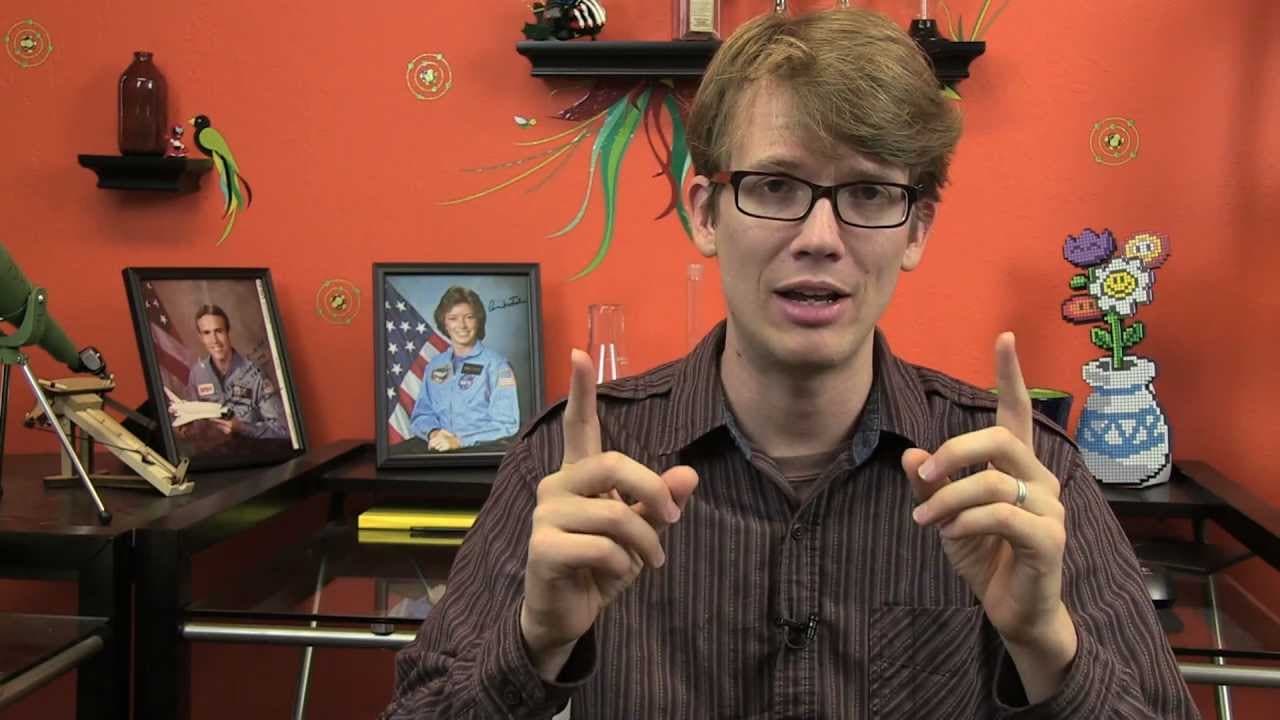
greetings fellow hominins today I wanted to be the first to bring you some late-breaking news from the genus Homo theme of more than two dozen scientists has sequence the genome of the latest member to be added the human family tree the Denisova hominin the Denisovans were just discovered in 2010 when a 41 thousand year old finger bone and teeth we... Read More
Key Insights
- 🧑✈️ Denisovans had a lot of Neanderthal DNA, suggesting interbreeding between these two species.
- ✋ The highest concentration of Denisovan genes is found in people from Southeast Asia and Oceania.
- 🛩️ Denisovans had limited genetic diversity, possibly due to a small population size.
Install to Summarize YouTube Videos and Get Transcripts
Explore YouTube Video Summarizer or Get YouTube Transcript Extractor
Questions & Answers
Q: Who were the Denisovans and how were they discovered?
The Denisovans are an extinct hominin species discovered in 2010 through the extraction of a finger bone and teeth from Denisova Cave in Siberia. Their mitochondrial DNA showed they were genetically distinct from modern humans and Neanderthals.
Q: Why do modern humans have Denisovan DNA?
Modern humans have Denisovan DNA due to gene flow from interbreeding. While Neanderthals also contributed DNA to modern humans, the high concentration of Denisovan genes in people from Southeast Asia and Oceania suggests direct interbreeding with Denisovans.
Q: What can we learn about the appearance of Denisovans?
The study found that the young Denisovan woman analyzed had gene variants associated with dark brown skin, brown hair, and brown eyes. However, this does not mean that all Denisovans looked this way, as the species likely had limited genetic diversity.
Q: What insights were gained from the study of Denisovan DNA?
The study revealed that significant changes in brain development and language skills have taken place since the divergence of modern human ancestors from Denisovan ancestors. Most of the genetic changes in humans since then are related to the brain.
Summary & Key Takeaways
-
In 2010, remains of the Denisovan hominin were discovered in Denisova Cave in Siberia, and their mitochondrial DNA showed they were distinct from modern humans and Neanderthals.
-
Modern humans have some Neanderthal DNA, and now it is discovered that Denisovans also had a lot of Neanderthal DNA, leading to a high concentration of Denisovan genes in people from Southeast Asia and Oceania.
-
The Denisovans had limited genetic diversity, possibly due to a small population size, and the study suggests that significant changes in our brain development and language skills have occurred since the divergence from Denisovan ancestors.
Read in Other Languages (beta)
Share This Summary 📚
Summarize YouTube Videos and Get Video Transcripts with 1-Click
Try YouTube Summary with ChatGPT & Claude or YouTube Transcript Generator
Explore More Summaries from SciShow 📚
Summarize YouTube Videos and Get Video Transcripts with 1-Click
Try YouTube Summary with ChatGPT & Claude or YouTube Transcript Generator