What Is Short Selling and How Does It Work?
TL;DR
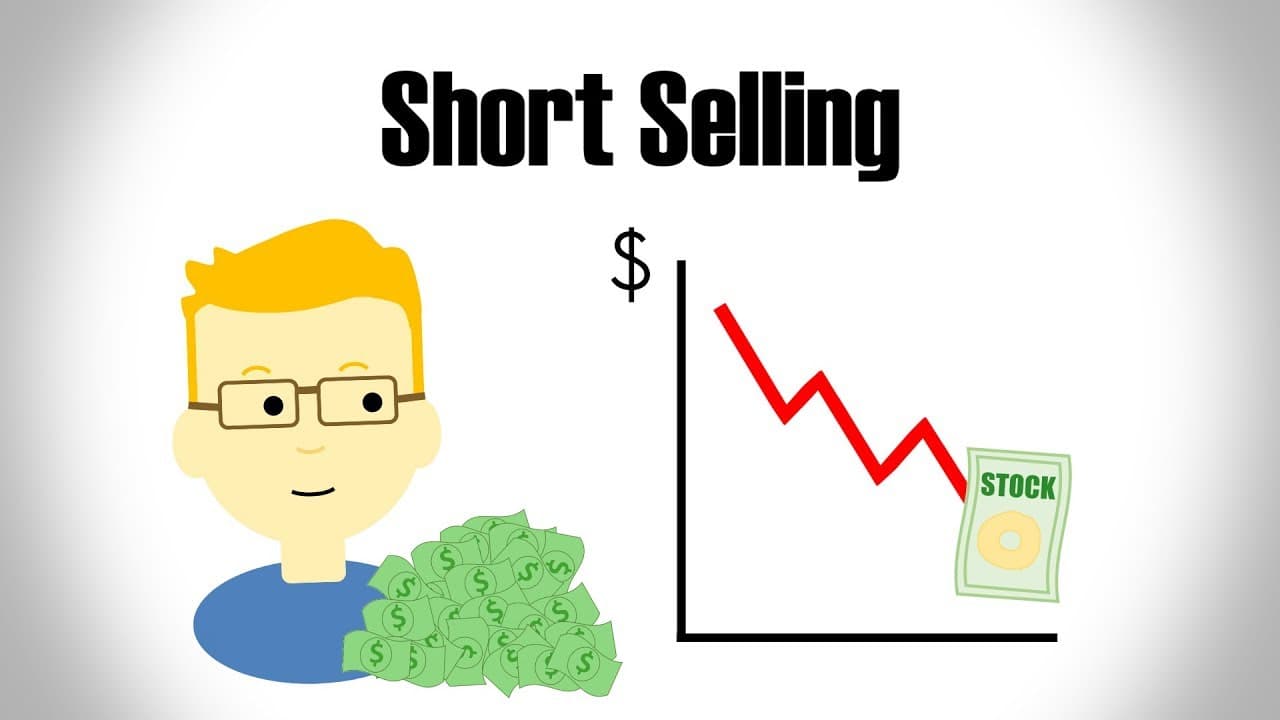
Short selling is a trading strategy where investors sell borrowed securities hoping to buy them back at a lower price. While it offers the potential for profit if the stock price declines, it carries significant risks, including unlimited losses, margin calls, and increased costs compared to traditional long investing. The payoff structure is skewed, making it crucial for investors to understand the inherent dangers before engaging in short selling.
Transcript
the big short is probably one of the most popular films on the topic of investing it's a star-studded movie that follows the real story of three groups of people who short or bet against the housing market for billions of dollars right before the 2008 real estate crisis as you might expect our heroes end up making quite a bit of money but how exact... Read More
Key Insights
- 🍰 "The Big Short" popularized the concept of shorting the housing market and showcased the potential profits of such a strategy.
- 😘 Short selling involves borrowing and selling stocks, aiming to buy them back at a lower price to make a profit.
- ✳️ Shorting comes with risks such as unlimited losses, margin calls, buy-in risks, and short squeezes.
Install to Summarize YouTube Videos and Get Transcripts
Explore YouTube Video Summarizer or Get YouTube Transcript Extractor
Questions & Answers
Q: What is short selling?
Short selling is a trading strategy where investors sell a security, hoping its price will decline, so they can buy it back later at a lower price and profit from the trade.
Q: How do investors actually short a stock?
Investors can borrow stocks from their brokers and sell them, using the proceeds from the sale. They then buy back the stocks in the future to return them to the lender, hoping to profit from the price difference.
Q: What are the risks of short selling?
Short selling exposes investors to potential unlimited losses, margin calls, buy-in risks, short squeezes, and higher costs such as interest on the borrowed stock and dividends.
Q: Why do some investors prefer long positions over shorting?
Long positions allow investors to benefit from a potentially unlimited upside, while short positions have a limited upside but an uncapped downside. Shorting also goes against the natural upward bias of stocks.
Summary & Key Takeaways
-
"The Big Short" movie follows the true story of individuals who shorted the housing market before the 2008 crisis, making billions of dollars.
-
Short positions are typically taken on individual stocks, involving selling borrowed stocks and buying them back later at a lower price to make a profit.
-
Shorting comes with risks such as skewed payoff, potential unlimited losses, margin calls, higher costs, and the risk of being forced to cover the position early.
Read in Other Languages (beta)
Share This Summary 📚
Summarize YouTube Videos and Get Video Transcripts with 1-Click
Try YouTube Summary with ChatGPT & Claude or YouTube Transcript Generator
Explore More Summaries from The Plain Bagel 📚

Summarize YouTube Videos and Get Video Transcripts with 1-Click
Try YouTube Summary with ChatGPT & Claude or YouTube Transcript Generator