The Epidemic Nobody Sees Coming: Sexless Men, Population Collapse & Fertility Crisis | Shanna Swan
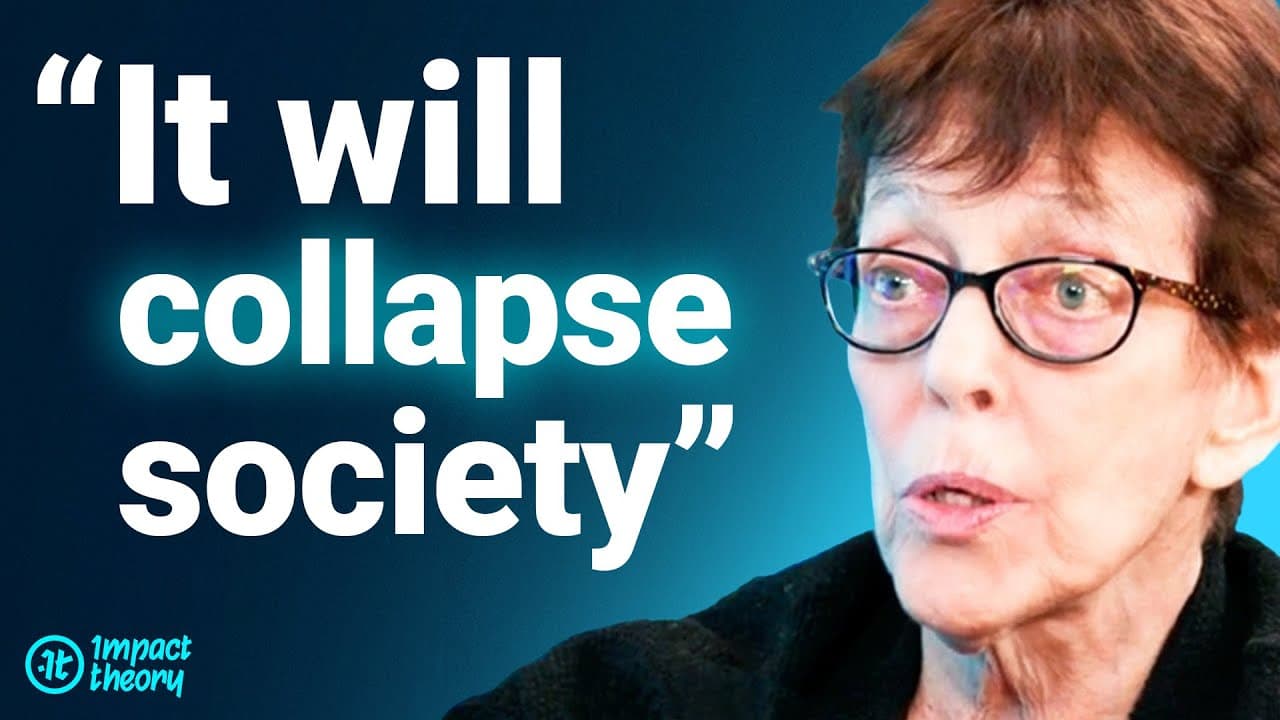
TL;DR
Chemical exposure, such as phthalates, contribute to the decline in human reproductive health, leading to under-masculinization and fertility issues.
Transcript
what you talk about in the book is that we actually meet the the criteria for being an endangered species which is freaky and I think anybody listening to this is going to call BS right now because they're like there's eight billion of us there's no way right we need that but so one is that a fair assessment are the stakes really that high and how ... Read More
Key Insights
- 🧑⚕️ Chemical exposure, particularly to phthalates, contributes to declining reproductive health and under-masculinization in males.
- ❓ Phthalate exposure is prevalent in everyday products and can be ingested, inhaled, or absorbed through the skin.
- 🧑🏭 Human reproductive function is influenced by various factors, including hormone levels and the presence of endocrine-disrupting chemicals.
- 🧑⚕️ Chemical exposure can have a long-lasting impact on reproductive health, affecting both current and future generations.
Install to Summarize YouTube Videos and Get Transcripts
Explore YouTube Video Summarizer or Get YouTube Transcript Extractor
Questions & Answers
Q: How do chemicals like phthalates affect human reproductive health?
Phthalates are endocrine-disrupting chemicals that alter hormone function and levels, leading to under-masculinization in males and fertility issues in both men and women.
Q: What are the main sources of phthalate exposure?
Phthalates can be found in soft plastics used in food packaging, personal care products like perfumes and lotions, and even in the air we breathe due to pollution.
Q: Is there a link between phthalate exposure and fertility decline?
Studies have shown that high phthalate levels in pregnant women can result in the phthalate syndrome in male offspring and subsequently impact their reproductive health, including sperm quality and fertility.
Q: Can the negative effects of chemical exposure be reversed?
The effects of chemical exposure on reproductive health can persist for multiple generations. However, studies have shown that reducing exposure to these chemicals can improve reproductive outcomes over time.
Summary & Key Takeaways
-
Chemical exposure is impacting human reproductive health, leading to under-masculinization, fertility issues, and a decline in overall reproductive function.
-
Declining sperm count in men and increasing rates of miscarriages and polycystic ovarian syndrome (PCOS) in women are some indicators of reproductive health problems.
-
Chemicals, such as phthalates, are found in various everyday products like food packaging, personal care items, and air pollution, resulting in widespread exposure.
Read in Other Languages (beta)
Share This Summary 📚
Summarize YouTube Videos and Get Video Transcripts with 1-Click
Try YouTube Summary with ChatGPT & Claude or YouTube Transcript Generator
Explore More Summaries from Full Episodes of Impact Theory 📚




Summarize YouTube Videos and Get Video Transcripts with 1-Click
Try YouTube Summary with ChatGPT & Claude or YouTube Transcript Generator