Charlie Kirk DEBATED Liberals On Why College Is A SCAM! Reaction
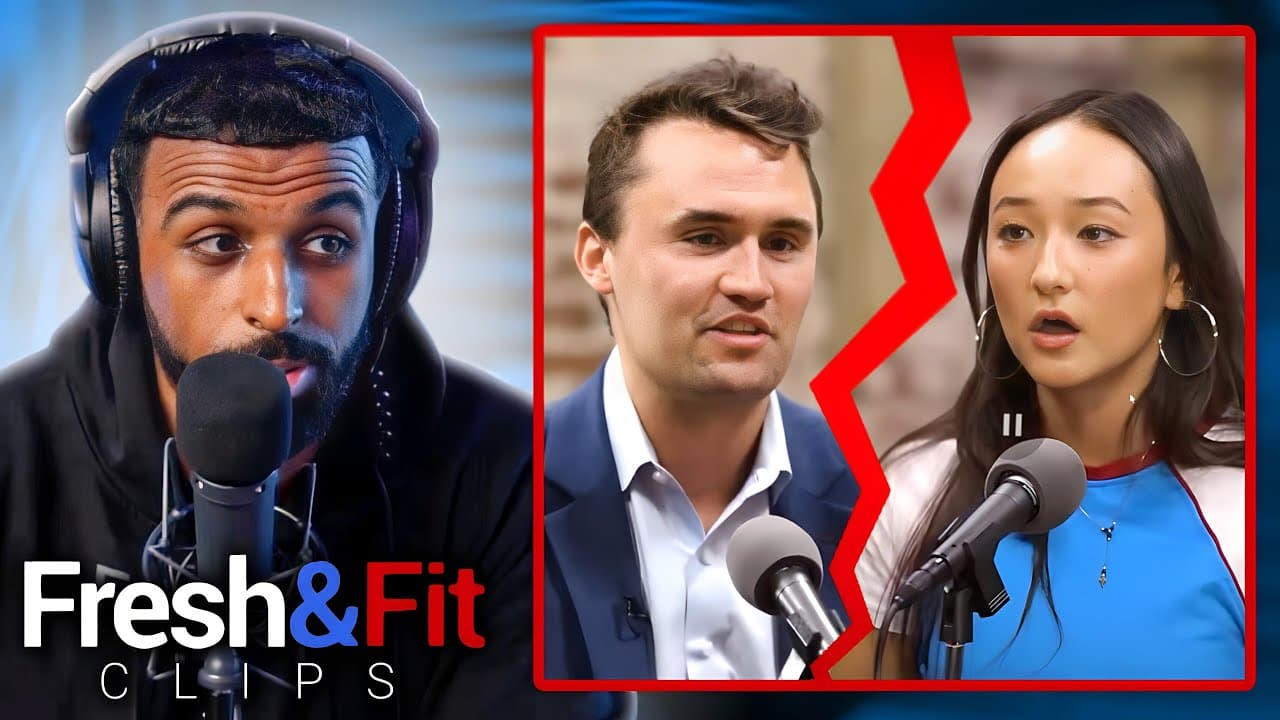
TL;DR
The discussion explores whether college education represents a scam due to rising costs and varying outcomes.
Transcript
let's go back to it are you forced to take classes that you think are a waste of time yeah I'm and P World sub to uh Prime shout out to you bro Maple also subbed uh hype train level six Nick truji gave out two subs Apex Abraham gave out five Community sub shout out to Apex and then uh web a season cheered 300 [ __ ] shout out to you bro so they're ... Read More
Key Insights
- 🎓 The perception of college as a scam is rooted in rising tuition costs and stagnant wages for graduates, challenging the traditional narrative of higher education guaranteeing better job prospects.
- 🥺 Many students enter college without a clear alignment between their chosen majors and career opportunities, leading to high dropout rates and dissatisfaction with their educational paths.
- 🧑🎓 The societal expectation to attend college can pressure students into pursuing degrees that may not be financially viable or relevant to their career aspirations.
- 🎓 Trade professions and non-college career paths can offer lucrative prospects without the burdensome debt often associated with four-year degrees.
- ✋ High college tuition has increased markedly over the past decade, raising concerns about the financial sustainability of the current education model.
- 🧑🎓 Critical conversations about the purpose and effectiveness of general education requirements reveal a desire for more targeted, relevant curricula that align with student career goals.
- 🎓 The shift in job markets, especially in the digital realm, is influencing perceptions of college, as many lucrative opportunities do not require formal education.
Install to Summarize YouTube Videos and Get Transcripts
Explore YouTube Video Summarizer or Get YouTube Transcript Extractor
Questions & Answers
Q: Why do some people consider college to be a scam?
Individuals may perceive college as a scam due to the growing discrepancy between rising tuition costs and the average salaries of graduates. Many students are burdened with debt yet find themselves in jobs that do not require degrees, leading to disillusionment. Critics argue that the education system perpetuates these challenges without adequately preparing students for their careers.
Q: Are there alternative paths for successful careers outside college?
Yes, numerous high-paying job opportunities exist that do not require a college degree. Fields such as plumbing, electrical work, and technical trades often pay well and provide apprenticeship programs. With the right training and experience, individuals can achieve success without incurring significant debt from college tuition.
Q: What factors contribute to the belief that college is essential?
The traditional narrative maintained by parents, schools, and society often promotes college as the only pathway to success. Many view a college degree as a prerequisite for a stable career, and cultural expectations reinforce this belief. Economic shifts and the growing online job market are changing perceptions, leading to critiques of this established view.
Q: How does the graduation rate affect the perception of college value?
The U.S. national graduation rate stands around 59%, indicating that many students do not complete their degrees. High dropout rates can contribute to the perception of college as a scam, as students may invest time and money without gaining a meaningful credential or skill set. This adds to the discourse questioning the effectiveness and value of college education.
Q: What role does student debt play in the college debate?
Student debt is a significant factor in the college scam discussion, as many graduates leave college overwhelmed by financial burdens. The debt-to-income ratio for new graduates can hinder their ability to achieve financial stability, leading to skepticism about the overall return on investment for a college education.
Q: What are the implications of the argument that most college majors are unproductive?
The assertion that many college majors provide little return in the job market can lead to calls for reform in the education system, potentially to eliminate or modify programs perceived as unproductive. This raises questions about curricular relevance and the necessity of providing students with practical skills for employment.
Q: In what ways can the college experience be beneficial?
While there are criticisms, college can provide valuable experiences such as networking opportunities, personal growth, and required qualifications for certain professions. Internships, campus resources, and exposure to diverse ideas can enrich students, potentially leading to career success in specific fields where degrees are essential.
Q: Why do some individuals argue that college is still worthwhile?
Some argue that college can be worthwhile for individuals pursuing careers in fields that require specialized knowledge, such as medicine, law, or engineering. These careers typically offer high salaries and job stability, justifying the cost of a college education as a necessary investment for those entering these markets.
Summary & Key Takeaways
-
A conversation reveals a contentious debate about college being a scam, highlighting differing perspectives on its value and necessity in today’s economy.
-
Many believe traditional college fails to provide meaningful career preparation, noting that a large portion of graduates do not utilize their degrees in the job market.
-
The dialogue emphasizes the high costs of college compared to the challenges graduates face, suggesting many opt for degrees that don’t correlate with high-paying jobs.
Read in Other Languages (beta)
Share This Summary 📚
Summarize YouTube Videos and Get Video Transcripts with 1-Click
Try YouTube Summary with ChatGPT & Claude or YouTube Transcript Generator
Explore More Summaries from FreshandFit 📚


Summarize YouTube Videos and Get Video Transcripts with 1-Click
Try YouTube Summary with ChatGPT & Claude or YouTube Transcript Generator