What Are Physical and Chemical Changes in Science?
TL;DR
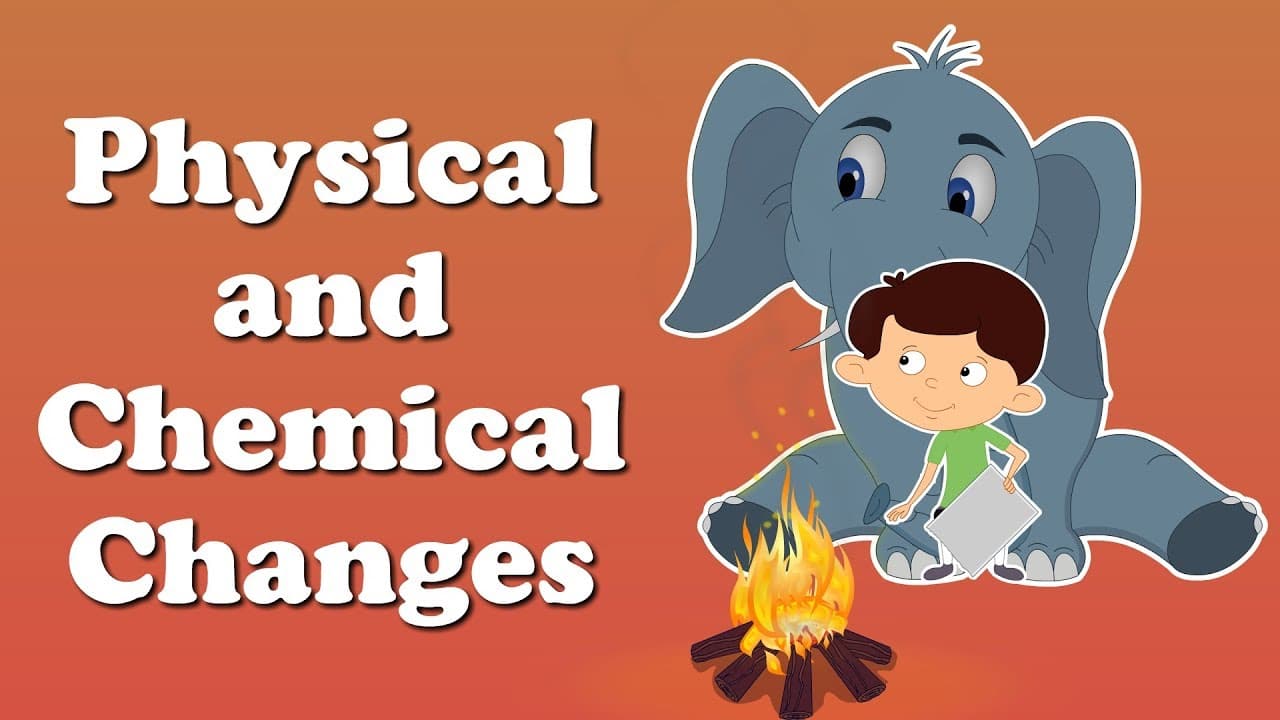
Physical changes alter the appearance or form of a substance without changing its chemical identity, such as ice melting into water. In contrast, chemical changes result in the formation of new substances, like combustion or rusting, where the original material is transformed into something different.
Transcript
Physical and Chemical Changes. Cold region, desert and forest. In a physical change appearance or form changes, but substance remains same. Ice on melting converts to water. Water on evaporation converts to water vapor. Ice, water and water vapor. All the products formed are still forms of water. Hence, this is a physical change. Plate. These broke... Read More
Key Insights
- 💱 Physical changes involve changes in appearance or form without altering the substance.
- 🫠 Examples of physical changes include melting ice and breaking a plate.
- 👶 Chemical changes occur when new substances are formed.
- 🌲 Burning wood and rusting are examples of chemical changes.
Install to Summarize YouTube Videos and Get Transcripts
Explore YouTube Video Summarizer or Get YouTube Transcript Extractor
Questions & Answers
Q: What is the difference between physical and chemical changes?
Physical changes involve alterations in appearance or form without changing the substance, while chemical changes result in the formation of new substances.
Q: Give an example of a physical change.
An example of a physical change is when ice melts and converts to water. Although the appearance changes, it is still the same substance.
Q: What is an example of a chemical change?
Burning wood is an example of a chemical change because it undergoes a chemical reaction, resulting in the formation of new substances.
Q: Is rusting an example of a physical or chemical change?
Rusting is an example of a chemical change because it is the result of chemical reactions over time, leading to the formation of rust.
Summary & Key Takeaways
-
Physical changes occur when there is a change in appearance or form but the substance remains the same, such as ice melting or water evaporating.
-
Chemical changes occur when a new substance is formed, as in the case of wood burning or rusting.
-
Combustion reactions, such as lighting a matchstick, are examples of chemical changes.
Read in Other Languages (beta)
Share This Summary 📚
Summarize YouTube Videos and Get Video Transcripts with 1-Click
Try YouTube Summary with ChatGPT & Claude or YouTube Transcript Generator
Explore More Summaries from It's AumSum Time 📚


Summarize YouTube Videos and Get Video Transcripts with 1-Click
Try YouTube Summary with ChatGPT & Claude or YouTube Transcript Generator