Bloody Crime Scene Photos Shown as Danielle Redlick Stands Trial in Husband’s Death
TL;DR
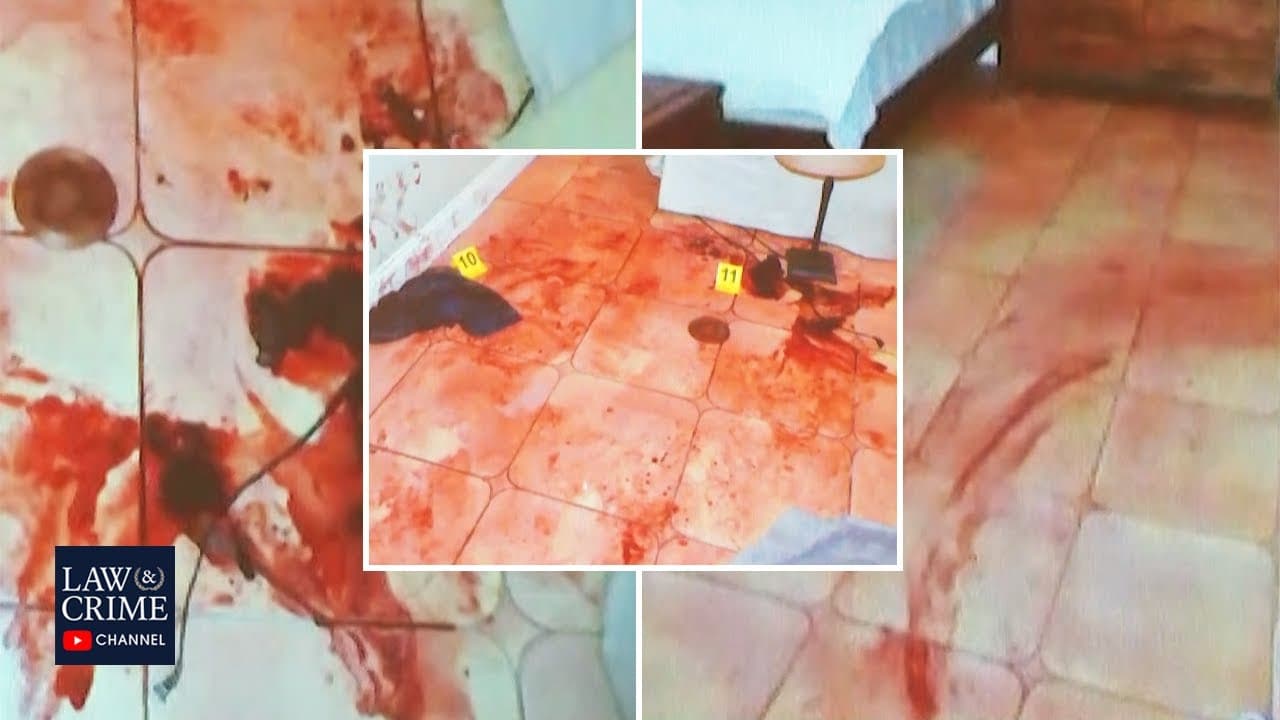
Crime scene investigator documents suspected blood droplets, footprints, and potential evidence throughout the residence.
Transcript
okay now three zero six one are we now entering the actual residence yes what are you documenting here at three zero six four i am documenting what i see that are suspected uh blood droplets moving sort of now into the home in 3067 and we would be again feel free to use your computer uh in this area yes so what i'm doing is i walk in and um i have ... Read More
Key Insights
- 🎑 The crime scene investigator's role is to thoroughly document the crime scene, including suspected blood droplets, footprints, and potential evidence.
- 🎑 Proper procedures and protective gear are crucial to minimize disruption to the scene.
- 👶 Some areas of the residence, such as the children's rooms, did not yield any pertinent evidence.
- 😒 The investigator uses the term "suspected blood" to indicate a strong suspicion without definitive confirmation.
- 🖐️ Markers play a crucial role in documenting and comparing various pieces of evidence, such as footprints.
- 🎑 Additional processing and testing will likely follow the completion of the crime scene documentation.
- ✍️ The investigator's detailed documentation assists in report writing and record-keeping for future reference.
Install to Summarize YouTube Videos and Get Transcripts
Explore YouTube Video Summarizer or Get YouTube Transcript Extractor
Questions & Answers
Q: What precautions does the crime scene investigator take to minimize disruption to the scene?
The investigator wears personal protective equipment, avoids standing in obvious areas of impact, and performs a sweeping motion from left to right while photographing.
Q: How does the investigator handle potential evidence found in the residence?
The investigator documents the location and appearance of potential evidence, but does not touch or move the items until later stages of the investigation.
Q: Did the investigator find any pertinent evidence in the children's rooms?
No, there was no evidence or apparent blood found in the children's rooms.
Q: Why does the investigator use the term "suspected blood" instead of confirming it as blood?
Without proper testing equipment, the investigator cannot definitively confirm that the substances are blood. The term "suspected blood" is used to indicate a strong suspicion based on appearance and context.
Summary & Key Takeaways
-
The crime scene investigator documents suspected blood droplets and footprints throughout the residence, as well as potential evidence.
-
The investigator follows proper procedures, wearing protective gear and minimizing disruption to the scene.
-
Some areas of the residence, including the children's rooms and storage area, do not yield any pertinent evidence.
Read in Other Languages (beta)
Share This Summary 📚
Summarize YouTube Videos and Get Video Transcripts with 1-Click
Try YouTube Summary with ChatGPT & Claude or YouTube Transcript Generator
Explore More Summaries from Law&Crime Network 📚




Summarize YouTube Videos and Get Video Transcripts with 1-Click
Try YouTube Summary with ChatGPT & Claude or YouTube Transcript Generator