Can We Treat Alzheimer's With Period Blood?
TL;DR
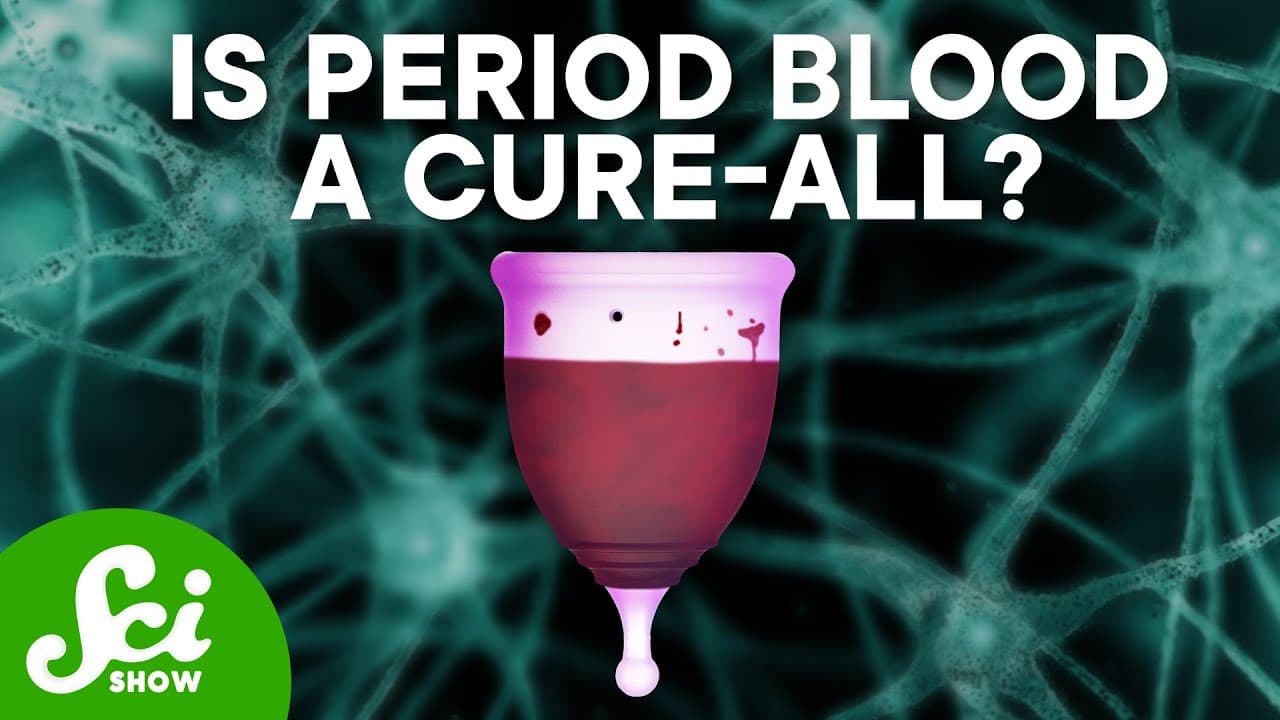
Menstrual blood contains abundant stem cells that have similar plasticity to embryonic stem cells, making them a promising source for regenerative medicine.
Transcript
thanks to brilliant for supporting this scishow video as a scishow viewer you can keep building your stem skills with a 30-day free trial and 20 off an annual premium subscription at brilliant.org scishow stem cell research has led to some amazing discoveries and has the potential to treat or even cure some of our deadliest diseases from diabetes t... Read More
Key Insights
- 💊 Stem cells are crucial in regenerative medicine for their ability to differentiate into various tissues.
- ❓ Embryonic stem cells are ethically controversial and difficult to obtain.
- 🧑 Mesenchymal stem cells derived from adults are a more ethical alternative but still pose challenges in obtaining.
- ❓ Menstrual fluid has been discovered to contain abundant stem cells that are highly potent and easily accessible.
- ⏫ Menstrual stem cells have faster doubling time and extensive plasticity compared to other mesenchymal stem cells.
- 👨🔬 Research has shown the potential of menstrual stem cells in treating stroke, Alzheimer's, diabetes, liver function, COVID-19, infertility, and wound healing.
- 🇺🇸 Menstrual fluid donation sites are not widely available yet, but some facilities in India and the United States offer menstrual blood banking.
Install to Summarize YouTube Videos and Get Transcripts
Explore YouTube Video Summarizer or Get YouTube Transcript Extractor
Questions & Answers
Q: What are stem cells and why are they important in regenerative medicine?
Stem cells are flexible cells that have the ability to differentiate into various tissues. They are valuable in regenerative medicine because they can potentially heal or replace damaged tissues in the body.
Q: Why have embryonic stem cell research faced ethical controversies?
Embryonic stem cells are derived from embryos, raising ethical concerns about the destruction of embryos for research purposes, even if it could potentially save lives.
Q: What are mesenchymal stem cells, and how do they differ from embryonic stem cells?
Mesenchymal stem cells are derived from adults, avoiding ethical controversies. While they are not as potent as embryonic stem cells, they still have the ability to differentiate into various tissues, making them valuable in regenerative medicine.
Q: How were stem cells discovered in menstrual fluid?
Scientists collected menstrual fluid in 2007 and isolated the cells for testing. The cells passed the tests for cloning ability and differentiation into other types of cells, confirming their identity as stem cells.
Q: What advantages do menstrual stem cells have over other sources of mesenchymal stem cells?
Menstrual stem cells double much faster than those derived from bone marrow and other sources. They also demonstrate extensive plasticity, being able to differentiate into all nine different tissue types tested.
Summary & Key Takeaways
-
Stem cells are flexible cells that can differentiate into various tissues, making them valuable in regenerative medicine.
-
Embryonic stem cells, while highly potent, are ethically controversial and difficult to obtain.
-
Mesenchymal stem cells, derived from adults, are a more ethical alternative, but obtaining them is still invasive.
-
Menstrual fluid has been found to contain mesenchymal stem cells that show great potential for regenerative medicine, as they double faster and have extensive plasticity.
Read in Other Languages (beta)
Share This Summary 📚
Summarize YouTube Videos and Get Video Transcripts with 1-Click
Try YouTube Summary with ChatGPT & Claude or YouTube Transcript Generator
Explore More Summaries from SciShow 📚


Summarize YouTube Videos and Get Video Transcripts with 1-Click
Try YouTube Summary with ChatGPT & Claude or YouTube Transcript Generator