Is It True That If You Don't Use It You LOSE It?

TL;DR
Muscle and skills deteriorate without regular use and practice.
Transcript
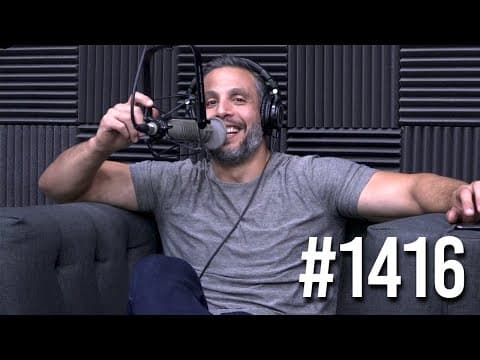
next question is from Evans Smedley is it true that if you don't use it you lose it did you guys ever watch do you ever go to SeaWorld and you're a kid there was this a walrus called like SH medley and they would shoot it like pretend shoot him and then he'd pretend to die cause bird leaves alive anyways that brought me back what does that have to ... Read More
Key Insights
- Muscle atrophy begins approximately three days after recovery from training, highlighting the importance of consistent exercise to maintain muscle mass and strength.
- The body not only loses muscle strength and size but also neurological connections, affecting functional abilities if activities are not regularly practiced.
- Long-term training reduces the speed of muscle and skill loss, providing advantages to those with years of consistent exercise experience.
- Regular movement and exercise can help alleviate joint pains and prevent conditions like arthritis by maintaining joint stability and mobility.
- The human body is designed to be efficient, retaining only the skills and muscle necessary for regular activities, while shedding those that are not frequently used.
- Consistent practice and movement are crucial for maintaining skills and physical abilities, as the body constantly adapts to its demands.
- Building muscle or acquiring skills requires ongoing effort, as stopping practice leads to a decline, similar to how businesses cut unnecessary departments.
- The objection to starting exercise due to potential loss of gains is counterproductive, as all bodily functions require regular practice to maintain.
Install to Summarize YouTube Videos and Get Transcripts
Explore YouTube Video Summarizer or Get YouTube Transcript Extractor
Questions & Answers
Q: What happens to muscles if you don't use them?
Muscles begin to atrophy, or weaken, approximately three days after recovery from training. This means that if a muscle group is not exercised within a week's time, it starts to diminish in strength and size. Additionally, neurological connections to the muscles weaken, affecting functional abilities.
Q: How does long-term training impact muscle and skill retention?
Long-term training reduces the speed at which muscles and skills are lost. For those who have exercised consistently over many years, the body retains muscle mass and neurological connections more effectively, allowing for a slower rate of decline and easier maintenance of physical abilities.
Q: Why is regular movement important for joint health?
Regular movement and exercise are crucial for joint health as they help maintain joint stability and mobility. This can prevent joint pains and conditions like arthritis. By incorporating various movements into daily routines, individuals can keep their joints active and functioning well.
Q: How does the body decide which skills and muscles to retain?
The body is designed to be efficient, retaining only the skills and muscles necessary for regular activities. It sheds those that are not frequently used to conserve energy. This process is similar to how businesses cut unnecessary departments to focus resources on essential areas.
Q: What is the 'use it or lose it' principle?
The 'use it or lose it' principle refers to the idea that muscles and skills deteriorate without regular use and practice. If a particular muscle or skill is not used consistently, the body begins to lose its strength, size, and functional ability, necessitating ongoing effort to maintain them.
Q: Why is it counterproductive to avoid exercise due to potential loss of gains?
Avoiding exercise due to potential loss of gains is counterproductive because all bodily functions require regular practice to maintain. While gains may diminish if exercise is stopped, the benefits of regular exercise far outweigh the temporary nature of muscle and skill retention.
Q: How does aging affect the retention of muscle and skills?
Aging can affect the retention of muscle and skills, but long-term exercisers often find that their rate of decline is slower. With years of consistent training, the body retains muscle mass and neurological connections more effectively, making it easier to maintain physical abilities as one ages.
Q: What is the significance of neurological connections in muscle retention?
Neurological connections play a crucial role in muscle retention because they affect the functional abilities of muscles. Without regular practice, these connections weaken, leading to a decline in muscle strength and coordination. Maintaining these connections through consistent exercise is essential for preserving muscle function.
Summary & Key Takeaways
-
The discussion emphasizes the concept that muscles and skills deteriorate without regular use, known as the 'use it or lose it' principle. Muscle atrophy can start just days after recovery from training, and neurological connections to muscles also weaken without practice.
-
For those who have trained consistently over many years, the rate of muscle and skill loss is slower, providing a benefit to long-term exercisers. Regular movement and exercise can also help prevent joint issues like arthritis by maintaining joint stability and mobility.
-
The body is designed to be efficient, retaining only what is necessary for regular activities. Consistent practice is crucial for maintaining skills and physical abilities, as the body adapts to its demands. Stopping exercise leads to a decline, similar to business efficiency strategies.
Read in Other Languages (beta)
Share This Summary 📚
Summarize YouTube Videos and Get Video Transcripts with 1-Click
Try YouTube Summary with ChatGPT & Claude or YouTube Transcript Generator
Explore More Summaries from Mind Pump Show 📚


Summarize YouTube Videos and Get Video Transcripts with 1-Click
Try YouTube Summary with ChatGPT & Claude or YouTube Transcript Generator