River restoration could help bring beavers back to Somerset
TL;DR
The UK's first large-scale stage zero River restoration project aims to reconnect the river Aller with its floodplain, creating a diverse ecosystem to reduce flooding risk and support wildlife.
Transcript
this doesn't look like what you think a river is but you've got a variety of waterscapes across this site now The National Trust has just completed work on the UK's first large-scale stage zero River restoration project the aim is to reconnect the river Aller with its floodplain creating a more natural and diverse River ecosystem a slower water flo... Read More
Key Insights
- 🪛 Stage zero River restoration reconnects rivers with their floodplains to create more natural and diverse ecosystems.
- 🖐️ Deadwood habitat plays a crucial role in supporting over 40% of UK wildlife.
- 🌱 The restoration project involves filling the river section, placing timber for habitat complexity, and planting various species.
- 🥹 Damp soils hold more carbon and help mitigate the impact of extreme weather events.
- 📽️ The restoration project aims to protect downstream communities from flooding.
- ↩️ Wildlife, such as dragonflies and aquatic invertebrates, have returned to the restored site within weeks.
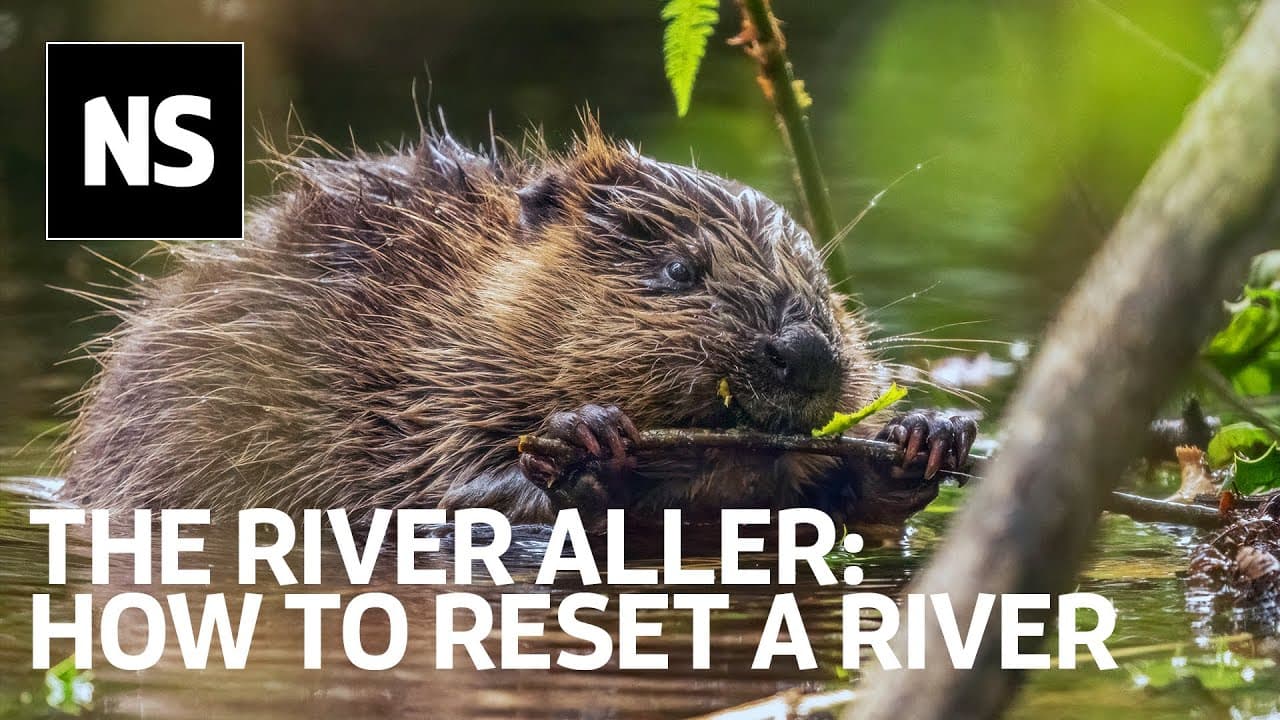
- 🦫 Introducing beavers into the ecosystem can further enhance the wetlands' function and provide opportunities for wildlife.
Install to Summarize YouTube Videos and Get Transcripts
Explore YouTube Video Summarizer or Get YouTube Transcript Extractor
Questions & Answers
Q: Why is it important to restore river ecosystems?
River restoration is crucial as it helps create more natural and diverse habitats, reduces flood risks, supports wildlife, and improves overall ecosystem health. It also benefits downstream communities by mitigating flooding.
Q: What are the key components of the stage zero River restoration project?
The project involves filling the river section, adding timber for habitat complexity, planting trees, wildflowers, and wetland species. These components provide a kickstart to the wetland system and offer a variety of habitats for wildlife.
Q: How does stage zero restoration differ from traditional river restoration methods?
Stage zero restoration goes beyond changing the channel form and focuses on reconnecting rivers with their floodplains and the wider landscape. It recognizes that a river ecosystem extends beyond the channel itself and includes wetlands, ponds, and streams.
Q: What are the potential benefits of the restoration project?
The restoration project offers numerous benefits, including increased habitat extent, carbon sequestration in damp soils, improved water retention during dry periods, and protection against extreme weather events. It also provides opportunities for wildlife and promotes healthier and more abundant river systems.
Summary & Key Takeaways
-
The National Trust has completed the UK's first large-scale stage zero River restoration project to restore the river Aller and its floodplain.
-
The restoration involved filling a section of the river, placing timber for habitat complexity, planting trees, wildflower seeds, and wetland species.
-
The project aims to create a dynamic river ecosystem, offering extended habitat and multiple ecosystem benefits.
Read in Other Languages (beta)
Share This Summary 📚
Summarize YouTube Videos and Get Video Transcripts with 1-Click
Try YouTube Summary with ChatGPT & Claude or YouTube Transcript Generator
Explore More Summaries from New Scientist 📚


Summarize YouTube Videos and Get Video Transcripts with 1-Click
Try YouTube Summary with ChatGPT & Claude or YouTube Transcript Generator