Enlightenment Experience Explanation & Key Lessons

TL;DR
Enlightenment experiences vary and require integration.
Transcript
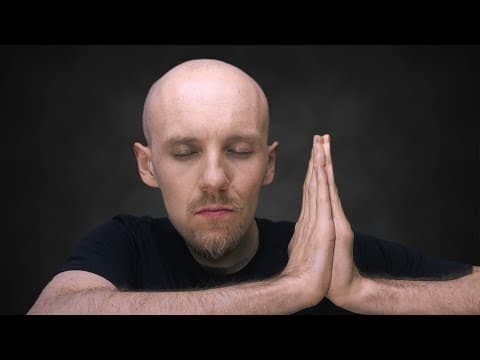
it's been a few days since since my enlightenment experience that I released a video on that caused a little bit of a stir so I want to talk about that and I want to explain a little bit of what was involved there what was learned there because there's there's actually quite a bit to say about this so first of all people have been asking me and spe... Read More
Key Insights
- Enlightenment experiences can be induced by psychedelics, but they require careful integration to have lasting impact.
- Awakening involves understanding, emotional, and state components, which can vary in depth and duration.
- True enlightenment isn't a permanent high; it's about the understanding and life application of insights gained.
- Different traditions have varying definitions and stages of enlightenment, complicating the understanding of true enlightenment.
- Authenticity and facing fears are crucial for personal development and achieving deeper spiritual understanding.
- Psychedelics offer potential for profound insights but must be used with a structured approach to avoid delusion.
- Slowing down and practicing mindfulness can enhance the integration of awakening experiences into daily life.
- Selfless living and overcoming the ego are key components of a fulfilling and enlightened life.
Install to Summarize YouTube Videos and Get Transcripts
Explore YouTube Video Summarizer or Get YouTube Transcript Extractor
Questions & Answers
Q: What role do psychedelics play in enlightenment?
Psychedelics can induce profound enlightenment experiences by altering consciousness and revealing facets of the absolute truth. However, these experiences require careful integration and understanding to have a lasting impact. They are not a substitute for traditional practices but can be a powerful tool when used properly and with the right mindset.
Q: How do different spiritual traditions view enlightenment?
Different spiritual traditions have varying definitions and stages of enlightenment, which can create confusion. Some view it as a permanent state of being, while others see it as a series of awakening experiences. The terminology and criteria for enlightenment differ, making it crucial to understand the nuances and complexities of each tradition's approach.
Q: Why is authenticity important in personal development?
Authenticity is crucial because it aligns one's actions and beliefs with their true self, leading to genuine happiness and fulfillment. It involves facing fears, being honest with oneself and others, and breaking down the ego's defenses. Authenticity allows for a deeper connection with the present moment and the absolute truth, enhancing personal and spiritual growth.
Q: What challenges do people face in achieving enlightenment?
People often struggle with preconceived notions of a physical universe, fear of ego death, and the complexity of integrating awakening experiences. Many are also hindered by distractions, addictions, and a lack of understanding of the depth and breadth of spirituality. Overcoming these challenges requires mindfulness, authenticity, and a willingness to face fears.
Q: How can mindfulness aid in spiritual growth?
Mindfulness helps individuals remain present and aware of the absolute truth in everyday life. It involves slowing down, reducing mental chatter, and being conscious of one's actions and surroundings. By practicing mindfulness, individuals can better integrate their awakening experiences, leading to a deeper understanding and embodiment of spiritual insights.
Q: What is the significance of selfless living in enlightenment?
Selfless living involves transcending the ego and aligning with a higher purpose that benefits the greater good. It leads to a more fulfilling and meaningful life, as one's actions are guided by love and compassion rather than self-interest. Selfless living enhances spiritual growth by fostering a deeper connection with the universe and the absolute truth.
Q: How does the concept of non-doership relate to enlightenment?
Non-doership is the understanding that individuals are not in control of their actions; rather, they are vehicles for a higher force. Recognizing this can lead to a more effortless and harmonious life, as one surrenders the illusion of control. This realization is a key component of deeper spiritual awakening and liberation from the ego.
Q: What role does slowing down play in achieving enlightenment?
Slowing down allows individuals to be more mindful and present, facilitating the integration of spiritual insights into daily life. A fast-paced lifestyle often leads to unconscious behavior and distractions, hindering spiritual growth. By simplifying and minimizing life, individuals can focus on the present moment and deepen their connection with the absolute truth.
Summary & Key Takeaways
-
The video discusses the nuances of enlightenment experiences, particularly those induced by psychedelics, emphasizing that understanding and integration are more important than the temporary state achieved.
-
Different spiritual traditions have varying definitions and stages of enlightenment, which can lead to confusion and misinterpretation of what true enlightenment entails.
-
Key elements for personal growth include authenticity, facing fears, mindfulness, and slowing down, all of which contribute to a deeper understanding and integration of spiritual experiences.
Read in Other Languages (beta)
Share This Summary 📚
Summarize YouTube Videos and Get Video Transcripts with 1-Click
Try YouTube Summary with ChatGPT & Claude or YouTube Transcript Generator
Explore More Summaries from Actualized.org 📚





Summarize YouTube Videos and Get Video Transcripts with 1-Click
Try YouTube Summary with ChatGPT & Claude or YouTube Transcript Generator