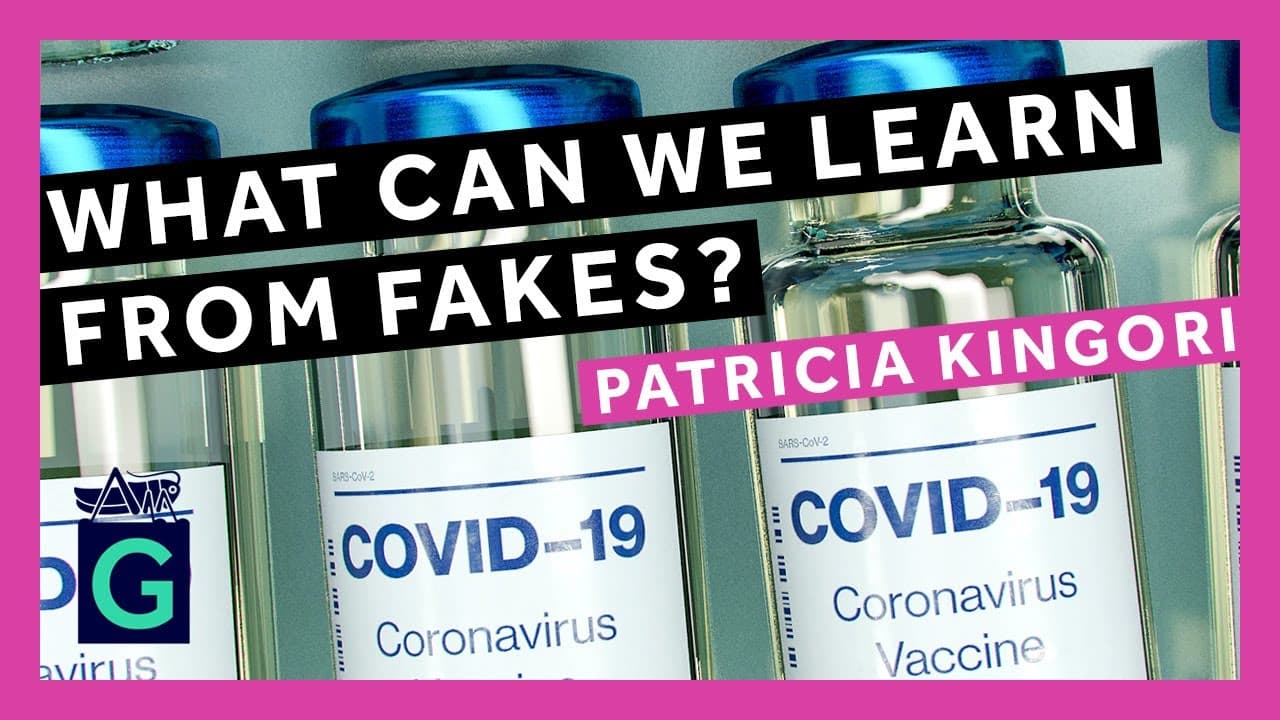
What Can We Learn from Fakes?
TL;DR
Fakes, whether in art, medicine, or information, pose significant questions about expertise, trust, and ethics, and their impact on institutions and individuals.
Transcript
- The talk today is going to be slightly different probably to some of the many discussions you've heard about fakes, because a lot of what we hear about fakes is actually that they are, it's rubbish and it should almost be dismissed. And what I'm hoping today is that we can talk about fakes and see whether there's anything that we can learn from p... Read More
Key Insights
- 🥰 Fake art challenges the authority and expertise of art experts, raising questions about the value and authenticity of works of art.
- 🥰 The distinction between fakes and their moral consequences is evident in art forgeries and counterfeit medication, highlighting the potential harm and ethical concerns.
- 💁 Fake information and conspiracy theories challenge trust in institutions and require proactive transparency to address concerns effectively.
Install to Summarize YouTube Videos and Get Transcripts
Explore YouTube Video Summarizer or Get YouTube Transcript Extractor
Questions & Answers
Q: How do art forgers manipulate experts and gain access to art galleries?
Art forgers invest significant effort in fabricating documents to prove their fake paintings' authenticity. They create a network of individuals who produce fake letterheads and other supporting materials. By appealing to experts' preferences and convincing a few of them, forgers can gain access to art galleries that often unquestionably accept the opinion of these trusted experts.
Q: Are fakes always harmful?
Fakes can vary in their impact. Some fakes, such as counterfeit medication, pose serious health risks and harm individuals. However, there are also situations, like the Museum of Art Fakes, where fakes are celebrated for their skill and creativity. The moral implications depend on the context and the potential consequences of the fake.
Q: How do fake medicines challenge the pricing and accessibility of genuine medications?
Films like "Dying to Survive" shed light on the pharmaceutical industry's pricing strategies and the availability of affordable medicines. Generic medicines, which are often referred to as fakes, offer a more affordable alternative to patented medications. The film raises questions about the morality of pricing and who benefits from high-priced medications.
Q: Can critical thinking education help individuals navigate the prevalence of fake information?
Teaching critical thinking skills is crucial to help individuals identify reliable sources of information. However, given the complexity of fake news and the deliberate efforts to make it plausible, critical thinking alone may not be sufficient. Institutions and organizations must also prioritize transparency and build trust to address the challenges posed by fake information.
Summary & Key Takeaways
-
The Fälschermuseum in Vienna displays the fake paintings of renowned art forgers, highlighting the skill and expertise of these individuals and raising questions about expertise and the power of art experts.
-
Fakes, such as counterfeit medication, have real consequences, causing harm and raising ethical concerns. The film "Dying to Survive" explores the trade of fake medicines and the moral ambiguity surrounding them.
-
The distinction between fakes and their moral consequences is evident in the case of Elmyr de Hory, an art forger who questioned the value of his works and the role of authenticity in the art world.
-
The prevalence of fake information and conspiracy theories further complicates the understanding of fakes, as they challenge established narratives and question trust in institutions.
Read in Other Languages (beta)
Share This Summary 📚
Summarize YouTube Videos and Get Video Transcripts with 1-Click
Try YouTube Summary with ChatGPT & Claude or YouTube Transcript Generator
Explore More Summaries from Gresham College 📚

Summarize YouTube Videos and Get Video Transcripts with 1-Click
Try YouTube Summary with ChatGPT & Claude or YouTube Transcript Generator