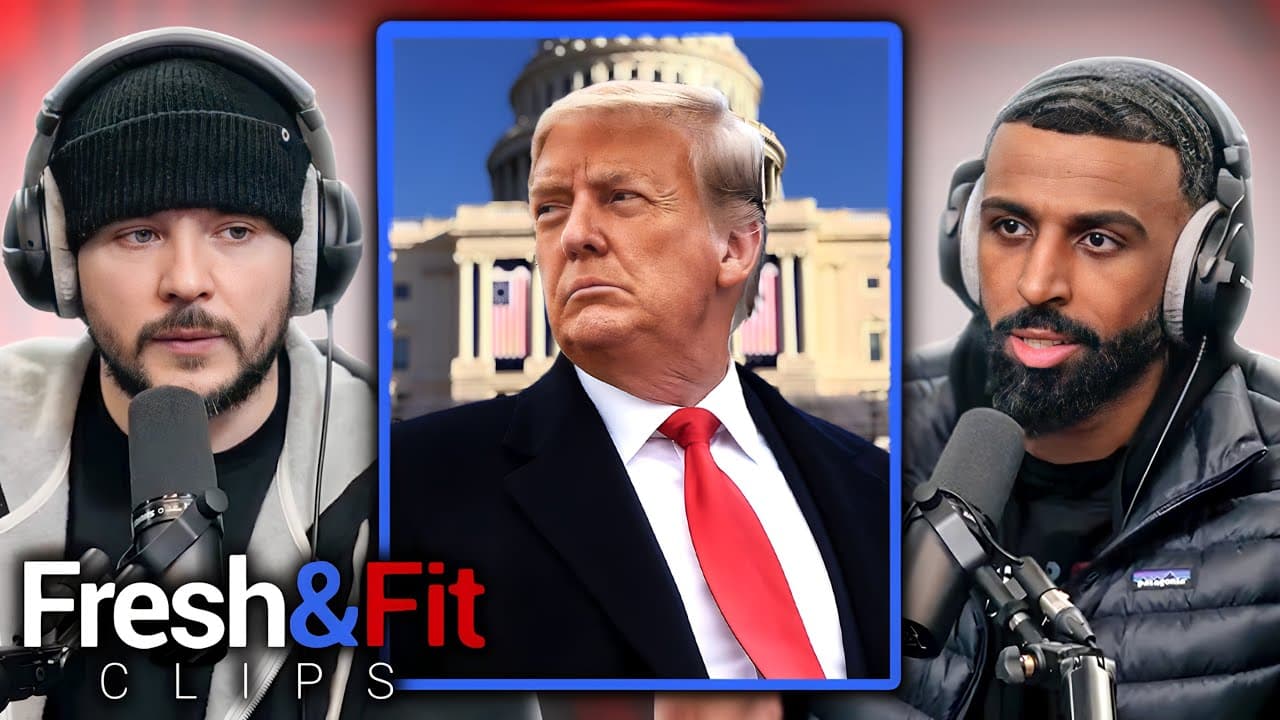
Why Trump's Inauguration Was Moved Indoors!
TL;DR
Trump's inauguration moved indoors amid security and health fears due to freezing temperatures.
Transcript
we have this from the daily wire Trump's inauguration to be moved indoors officials were worried about the health of those attending due to the freezing temperatures that are expected now the first thing polar vortex ladies and gentlemen they're saying the polar vortex is coming and it's going to be very cold too cold maybe and so they're going to ... Read More
Key Insights
- 🧑🏭 Trump's inauguration being moved indoors reflects a mix of security concerns and adverse weather forecasts, illustrating how environmental factors can impact political events.
- 🔒 Previous assassination attempts on Trump highlight ongoing threats to his security, necessitating precautions that significantly alter public attendance strategies.
- ✋ The Secret Service's dependency on local law enforcement underscores the collaborative nature of security efforts for high-profile public events.
- 🤩 Historical weather patterns indicate that extreme conditions can suppress protests, indicating shifting political dynamics affecting activist engagement at key events.
- 🎚️ The perceived reduction in protest activity at Trump events may signify changing public sentiment and energy levels among activists, affecting opposition mobilization.
- 😨 Security decisions linked to past events shape the approach to inaugurations, illustrating a trend towards protecting public figures amid fears of violence.
- 🤨 The discourse surrounding election integrity raises questions about public trust, reflecting broader political divisions influencing actions and beliefs among supporters and detractors alike.
Install to Summarize YouTube Videos and Get Transcripts
Explore YouTube Video Summarizer or Get YouTube Transcript Extractor
Questions & Answers
Q: Why was Trump's inauguration moved indoors?
The decision to move Trump's inauguration indoors primarily stemmed from concerns regarding severe cold due to an expected polar vortex. Health officials prioritized attendee safety, but security fears related to past assassination attempts and potential threats from protest groups also played a significant role in this decision.
Q: How does the Secret Service collaborate with law enforcement during events like this?
The Secret Service often relies on local law enforcement agencies to assist in securing events. A lack of support from these agencies can significantly affect the Secret Service's operational capacity. Given the current political climate, the Secret Service is likely more conservative in assessing potential risks and deciding on security measures for such high-profile events.
Q: What factors hinder crowd participation in protests during extreme weather?
Historically, inclement weather has deterred participants from attending protests, as seen in past gatherings where predictions of rain or chilly temperatures resulted in drastically reduced turnout. This pattern may contribute to a less aggressive protest atmosphere, particularly during an inauguration where attendees typically expect a celebratory mood.
Q: How did previous security concerns affect Trump's events and public perception?
Trump's last inauguration experienced significant protests and security breaches, influencing public perception of his events and necessitating heightened security measures. Past incidents of violence and unrest have led to a more cautious approach by both security agencies and event organizers when planning future gatherings involving Trump.
Q: What specific threats were mentioned concerning Trump's upcoming inauguration?
There were discussions about significant security threats surrounding Trump's inauguration, described as coming from politically aggrieved individuals potentially motivated by recent political events. These threats highlighted a need for heightened vigilance and control over the event to ensure safety for all attending.
Q: How does public sentiment affect attendance at Trump's events?
Public sentiment fluctuates based on political contexts, greatly influencing attendance at events. During times of heightened political tension or extreme weather conditions, turnout can diminish, reflecting how concerns about safety, weather, and political affiliations shape attendees' decisions.
Q: What does the debate about election integrity reveal about current political divisions?
The discussions surrounding election integrity highlight deep-seated political divisions in the U.S. Many supporters express strong beliefs about the legitimacy of the election process based on perceived irregularities, while critics argue these claims create unnecessary political turmoil and distrust in democratic institutions.
Q: How does media portrayal impact the narrative surrounding Trump's events?
Media reporting can significantly influence public narratives and perceptions regarding Trump's events and the accompanying security measures. Sensational headlines or discussions about conspiracy theories might sway public opinion either towards accepting government precautions as necessary or viewing them as overreactions to baseless fears.
Summary & Key Takeaways
-
Trump's upcoming inauguration will take place indoors to mitigate health risks from severe cold, leading to a smaller audience.
-
Security considerations arise from previous assassination attempts and threats from politically aggrieved groups, influencing the decision to limit outdoor attendance.
-
Past protests at Trump's events and changing conditions suggest reduced crowd presence, indicating potential alterations in political dynamics and responses.
Read in Other Languages (beta)
Share This Summary 📚
Summarize YouTube Videos and Get Video Transcripts with 1-Click
Try YouTube Summary with ChatGPT & Claude or YouTube Transcript Generator
Explore More Summaries from FreshandFit 📚
Summarize YouTube Videos and Get Video Transcripts with 1-Click
Try YouTube Summary with ChatGPT & Claude or YouTube Transcript Generator