Pulp Fiction and the Secret of Non-Linear Storytelling. - StoryBrain
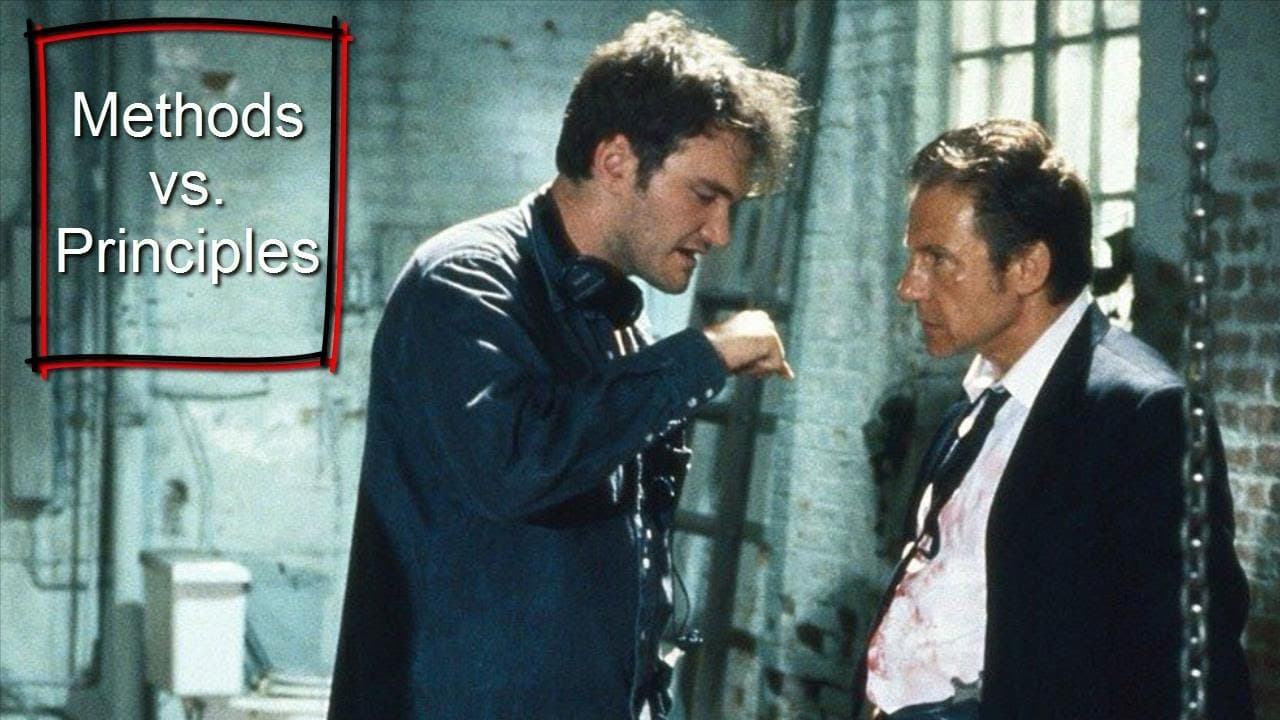
TL;DR
Non-linear storytelling, popularized by Quentin Tarantino, challenges conventional narrative structure by prioritizing emotional experience over chronological order.
Transcript
in the 1990s Quentin Tarantino's movies caused a revolution in entertainment they weren't like any other films most people had seen and one of the most important things about that was their timelines things were shown on screen in a totally different order than they happened in the movies world and for years afterward movies came out that did the s... Read More
Key Insights
- 🎥 Quentin Tarantino's movies in the 1990s revolutionized storytelling by presenting narratives in a non-linear order, challenging conventional storytelling norms.
- 🎭 The traditional three-act structure is commonly used in storytelling, with the first act introducing characters and setting up the story, the second act developing the plot, and the third act resolving conflicts and satisfying audience desires.
- 🔄 Telling a story out of order can create confusion for the audience, necessitating the use of techniques like title cards or chapter headings to maintain clarity and guide the viewer.
- 🧩 Clarity in storytelling is important for audience comprehension and understanding of the narrative's key elements and changes in the situation.
- 🎬 Quentin Tarantino's films, such as Reservoir Dogs and Pulp Fiction, utilize scenes that may not be chronologically sequential but still fulfill the necessary roles of pacing, character introduction, and conflict setup.
- 🎆 Effective storytelling involves delivering emotional experiences to the audience, including building desire, creating excitement, and providing satisfying resolutions.
- 📚 The core goal of storytelling, regardless of the order of scenes, is to stimulate the audience's emotions and engage them in the narrative's journey.
- 📽️ Exploring new ways of storytelling that deviate from traditional methods can lead to innovative and captivating cinematic experiences, as demonstrated by Quentin Tarantino's unique approach.
Install to Summarize YouTube Videos and Get Transcripts
Explore YouTube Video Summarizer or Get YouTube Transcript Extractor
Questions & Answers
Q: How did Tarantino's non-linear storytelling style revolutionize the film industry?
Tarantino's non-linear storytelling style, which presented events out of order, challenged conventional narrative structure and captivated audiences by prioritizing emotional experience over chronological order. This became a crucial element of his films, inspiring other filmmakers to adopt similar techniques.
Q: What are the key elements of emotional storytelling in a non-linear format?
In a non-linear format, it is essential to introduce compelling characters, create a situation that generates emotional investment, build and maintain desire, provide surprises and emotional high points, and resolve conflicts in a satisfying way. These elements ensure a fulfilling emotional experience for the audience.
Q: How does non-linear storytelling affect audience comprehension?
Non-linear storytelling can confuse audiences by disrupting the natural progression of cause and effect. However, by providing clear signposts such as title cards or chapter headings, filmmakers can maintain clarity and help the audience follow the story's timeline.
Q: How does Tarantino's use of non-linear storytelling differ from other filmmakers?
Tarantino's use of non-linear storytelling stands out because even though his films may not follow a chronological order, he establishes a sense of connection between scenes. This creates a cohesive viewing experience, ensuring that the emotional journey remains engaging and understandable for the audience.
Q: What role does the opening scene play in non-linear storytelling?
The opening scene in non-linear storytelling serves multiple purposes. It sets the energy level of the story, introduces the situation, and gives the audience a reason to care about the characters and their motivations. It provides a starting point that can gradually increase tension and sustain audience interest throughout the film.
Q: How does non-linear storytelling enhance the climax of a film?
Non-linear storytelling allows filmmakers to craft climactic scenes that are not necessarily the last chronological event. By strategically placing these scenes, they can heighten audience excitement and resolve long-lasting conflicts, resulting in a memorable and satisfying climax.
Q: What is the main lesson to be learned from non-linear storytelling?
The main lesson is that the ultimate goal of storytelling is to stimulate the emotions of the audience. Non-linear storytelling challenges the notion that chronology is the only way to achieve this goal, opening up new possibilities for filmmakers to explore and engage their viewers in unique and powerful ways.
Q: How can the concept of non-linear storytelling be applied beyond filmmaking?
The concept of non-linear storytelling can be applied to various forms of media and even to general learning experiences. By focusing on the emotional experience and core goals, rather than strictly adhering to a pre-determined structure, creators can find innovative ways to engage and educate their audience.
Summary & Key Takeaways
-
Quentin Tarantino's movies in the 1990s revolutionized storytelling by presenting events in a non-linear order, but many films attempting the same approach failed due to a lack of clarity.
-
The traditional three-act structure imitates the natural flow of cause and effect in life, but Tarantino proved that emotional experience is more important than chronological order.
-
When telling a story out of order, it is crucial to either take advantage of the audience's confusion or provide clear signposts to maintain clarity.
Read in Other Languages (beta)
Share This Summary 📚
Summarize YouTube Videos and Get Video Transcripts with 1-Click
Try YouTube Summary with ChatGPT & Claude or YouTube Transcript Generator