How to Scale Facebook Ads: Vertical vs Horizontal
TL;DR
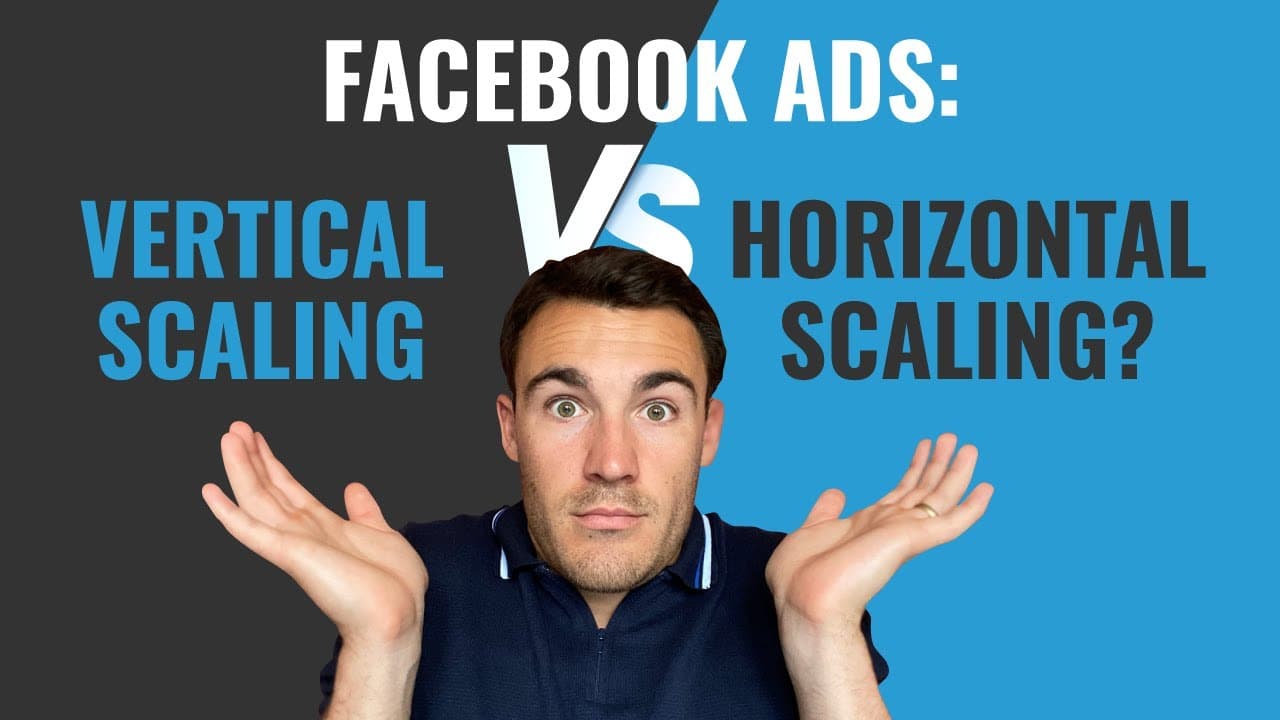
Vertical scaling involves increasing the budget of a successful Facebook ad campaign, keeping the same audience and ad setup. Horizontal scaling adds new ad sets or campaigns targeting different audiences. Vertical scaling is generally preferred for stable performance, while horizontal scaling is used for testing new elements.
Transcript
hi guys it's ben heath and in this video i'm going to talk about scaling facebook ad campaigns and specifically i'm going to talk about vertical facebook ad campaign scaling and horizontal facebook ad campaign scaling i'm going to talk about the differences between the two what they are and which one you should be primarily focusing on before i get... Read More
Key Insights
- Vertical scaling is increasing the budget of an existing, successful ad campaign.
- Horizontal scaling involves adding new ad sets or campaigns to target different audiences.
- Vertical scaling maintains the same audience and ad setup, minimizing variable changes.
- Horizontal scaling is useful for testing new audiences or ad elements.
- Vertical scaling is preferred for stable performance, as it builds on proven success.
- Testing and scaling should be separate processes to accurately assess performance changes.
- Duplicating campaigns without changes can confuse Facebook's algorithm and hurt performance.
- A free webinar is available that details three effective Facebook ad strategies.
Install to Summarize YouTube Videos and Get Transcripts
Explore YouTube Video Summarizer or Get YouTube Transcript Extractor
Questions & Answers
Q: How to scale Facebook ads vertically?
To scale Facebook ads vertically, increase the budget of a successful ad campaign while maintaining the same audience, ad creative, and setup. This method builds on the campaign's proven success, allowing it to reach more people without changing key variables. Gradual budget increases are recommended to avoid disrupting performance.
Q: What is horizontal scaling in Facebook ads?
Horizontal scaling in Facebook ads involves creating new ad sets or campaigns to target different audiences. This approach is useful for testing new elements, such as audience segments or ad creatives, to see how they perform compared to existing successful campaigns. It introduces new variables and requires careful performance evaluation.
Q: Why is vertical scaling preferred over horizontal scaling?
Vertical scaling is preferred because it leverages the success of existing campaigns by increasing the budget without altering key variables like audience and ad setup. This stability helps maintain performance, whereas horizontal scaling introduces new variables that can unpredictably affect results, making it more suitable for testing.
Q: When should you use horizontal scaling?
Horizontal scaling should be used when testing new audience segments or ad elements. It involves creating additional ad sets or campaigns to explore different targeting options. This approach helps identify new opportunities for growth but should be kept separate from scaling to avoid confusion in performance metrics.
Q: What are the risks of horizontal scaling?
The risks of horizontal scaling include introducing new variables that may negatively impact performance. Without careful testing and evaluation, new ad sets or campaigns might not perform as well as existing ones, leading to increased costs and reduced efficiency. It's essential to separate testing from scaling to manage these risks effectively.
Q: How should you approach testing and scaling in Facebook ads?
Testing and scaling in Facebook ads should be approached as separate processes. Testing involves creating new ad sets or campaigns to explore different audiences or ad elements, while scaling focuses on increasing the budget of successful campaigns. Separating these processes helps accurately assess what influences performance changes.
Q: Why avoid duplicating identical campaigns in Facebook ads?
Avoid duplicating identical campaigns in Facebook ads because it can confuse Facebook's algorithm, leading to competition between duplicates and reduced performance. If duplication is necessary, make adjustments to the ad elements to differentiate them, ensuring a clearer evaluation of their individual performance.
Q: What resources are available for improving Facebook ad strategies?
Resources for improving Facebook ad strategies include a free webinar detailing three effective Facebook ad strategies, a Facebook Ads Mastermind Group for community support and expert advice, and various online resources like templates and strategy sessions. These tools help advertisers optimize their campaigns for better results.
Summary & Key Takeaways
-
Vertical scaling focuses on increasing the budget of a well-performing Facebook ad campaign, keeping the same audience, ad creative, and setup. This method leverages existing success to reach more people with the same proven formula.
-
Horizontal scaling involves creating new ad sets or campaigns to target different audiences. This is primarily used for testing purposes, as it introduces new variables and requires careful evaluation of performance against existing elements.
-
The video emphasizes separating testing from scaling to avoid confusion in performance metrics. Vertical scaling is recommended for stable growth, while horizontal scaling is reserved for exploring new audience segments and ad strategies.
Read in Other Languages (beta)
Share This Summary 📚
Summarize YouTube Videos and Get Video Transcripts with 1-Click
Try YouTube Summary with ChatGPT & Claude or YouTube Transcript Generator
Explore More Summaries from Ben Heath 📚

Summarize YouTube Videos and Get Video Transcripts with 1-Click
Try YouTube Summary with ChatGPT & Claude or YouTube Transcript Generator