What Are the Biggest Myths About Personal Finance?
TL;DR
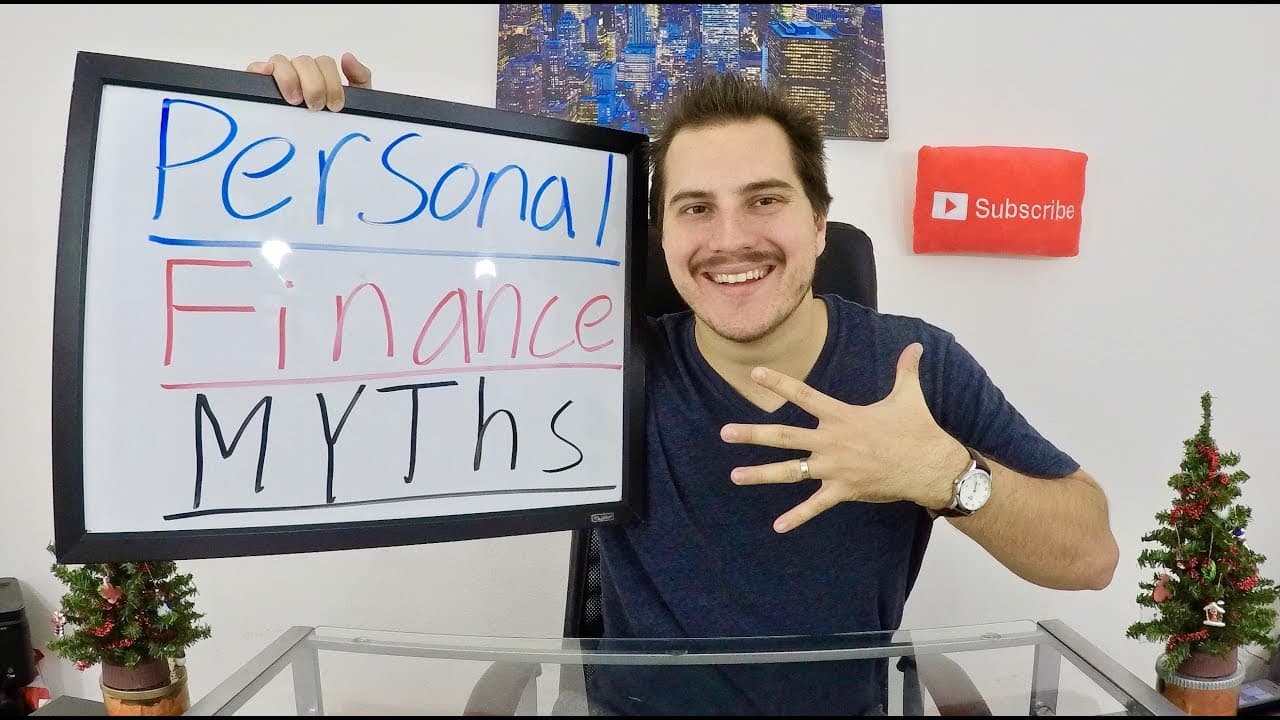
Common personal finance myths include the belief that you can't save money on a low income, that credit cards are necessary, and that you need to pay someone to manage your money. Additionally, buying a house when young can lead to financial loss, and purchasing a used car may not be cheaper than a new one due to potential repair costs and warranties.
Transcript
good day subscribers thank you so much for joining me to date I am Jeremy this is the financial education Channel and today we're doing part two of the three-part series five biggest myths and today we're doing the biggest myths about personal finance yesterday I broke down a video on the five biggest myths of investing in the stock market and tomo... Read More
Key Insights
- 😘 It is possible to save money on a low income by cutting costs and living below your means.
- 💳 Credit cards are not necessary for building credit and can lead to financial trouble if not used responsibly.
- 🤑 Managing your own money is achievable with discipline, planning, and execution, eliminating the need to pay someone else.
- 🏘️ Buying a house when you're young can result in financial loss if circumstances change or you have to sell the house for less than its purchase price.
Install to Summarize YouTube Videos and Get Transcripts
Explore YouTube Video Summarizer or Get YouTube Transcript Extractor
Questions & Answers
Q: Is it possible to save money on a low income?
Yes, even if your income is low, you can cut costs and reduce expenses to save money. Living below your means is key to achieving financial freedom.
Q: Are credit cards necessary to build credit?
No, credit cards are not necessary for building credit. They can lead to debt if not used responsibly. You can build credit through other means, such as responsible use of other types of loans.
Q: Do I need to pay someone to manage my money?
It is not necessary to pay someone to manage your money. With discipline, planning, and execution, you can effectively manage your own finances and make your money work for you.
Q: Should I buy a house when I'm young?
Buying a house when you're young may not be the best decision, as your future plans and circumstances may change. Renting allows flexibility and prevents potential financial loss in case of relocation.
Q: Is buying a used car cheaper than buying a new one?
While buying a used car may seem cheaper upfront, the additional costs of warranties and potential repairs can outweigh the initial savings, making it not necessarily more cost-effective than buying a new car.
Summary & Key Takeaways
-
Myth 1: People often believe that they can't save money because they make too little income, but in reality, anyone can find ways to cut costs and lower their expenses to save money.
-
Myth 2: Credit cards are believed to be necessary for building credit, but they can lead to undisciplined spending and accumulating high debt. Unless used responsibly, you don't need credit cards.
-
Myth 3: Many people think they need to pay someone to manage their money, but with discipline, a plan, and execution, anyone can effectively manage their own finances.
-
Myth 4: The belief that you should buy a house when you're young can lead to financial loss if you end up wanting to live somewhere else or have to sell due to unforeseen circumstances.
-
Myth 5: Buying a used car is commonly believed to be cheaper, but the costs of warranties and potential repairs can add up, making it not necessarily more cost-effective than buying a new car.
Read in Other Languages (beta)
Share This Summary 📚
Summarize YouTube Videos and Get Video Transcripts with 1-Click
Try YouTube Summary with ChatGPT & Claude or YouTube Transcript Generator
Explore More Summaries from Financial Education 📚




Summarize YouTube Videos and Get Video Transcripts with 1-Click
Try YouTube Summary with ChatGPT & Claude or YouTube Transcript Generator