What Is Gynecomastia And Its Treatment? | Plastic Surgeons
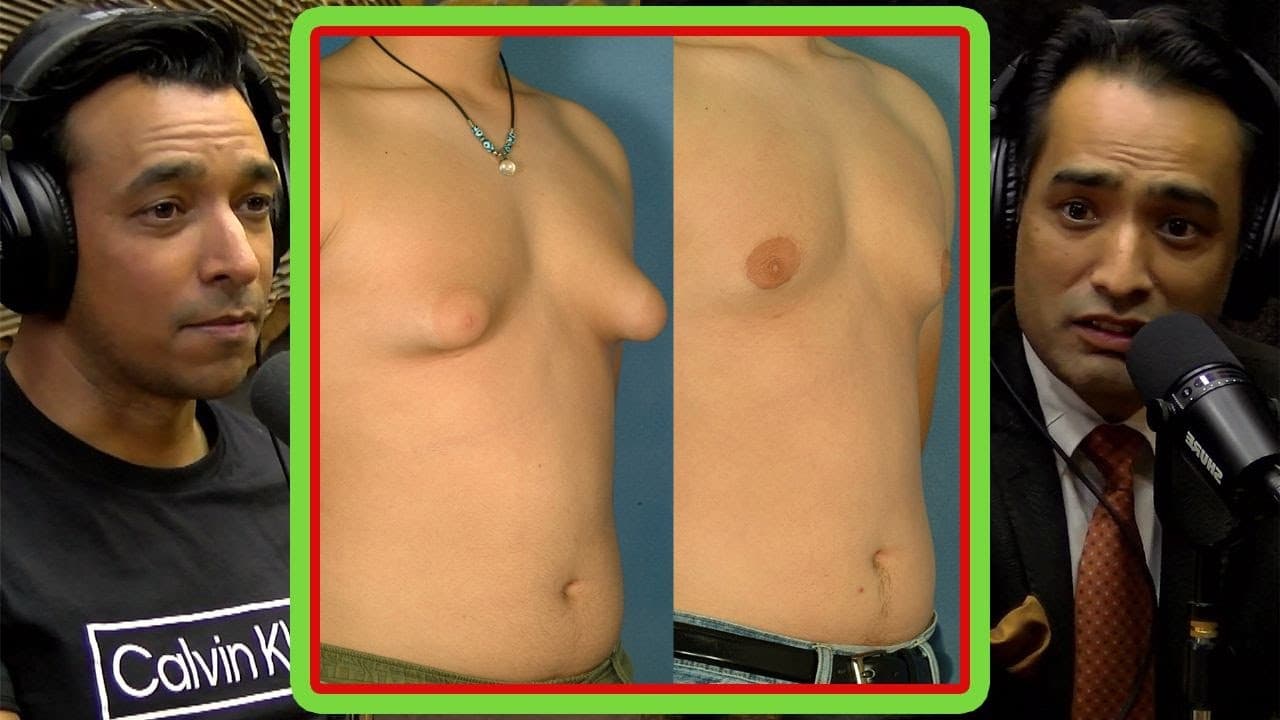
TL;DR
Gynecomastia in adolescents involves hormonal imbalances, and treatment options like ultrasound liposuction are emerging.
Transcript
you're watching on air podcast right here make sure that you subscribe to our YouTube channel I think I have to definitely I know a lot of actors have it too International stars have it uh I think I have somewhere in my left breast is gynecomastia can you explain gynecomastia cure how do we treat it and can we treat it in Nepal when a child grows a... Read More
Key Insights
- 🤠 Gynecomastia is caused by hormonal imbalances, particularly during puberty, affecting many adolescent boys.
- 🕵️♀️ Estrogen is present in both males and females but plays a significant role in developing breast tissue in males during hormonal changes.
- 🤠 Most instances of gynecomastia resolve on their own as boys transition out of adolescence.
- 👶 New treatment options, such as ultrasound-based liposuction, promise to change the landscape of gynecomastia management.
- 🤩 The sensitivity of breast tissue to hormonal levels is key to understanding the condition's progression and treatment.
- 🧑 Gynecomastia can also persist or develop in adult males, necessitating different treatment approaches.
- 😷 Awareness of gynecomastia can drive conversations about body image, self-esteem, and the importance of seeking medical advice.
Install to Summarize YouTube Videos and Get Transcripts
Explore YouTube Video Summarizer or Get YouTube Transcript Extractor
Questions & Answers
Q: What is gynecomastia, and who is most affected by it?
Gynecomastia is the enlargement of breast tissue in males, commonly affecting adolescents during puberty. This condition is primarily linked to hormonal imbalances, particularly the relative levels of estrogen and testosterone. During teenage growth, increased estrogen sensitivity may lead to the development of breast tissue, which often resolves naturally with age.
Q: What causes gynecomastia during teenage years?
During adolescence, boys experience significant hormonal fluctuations, leading to elevated estrogen levels compared to testosterone. This hormonal imbalance can cause breast tissue to develop. Factors such as genetics, medications, and various health conditions may also influence the degree of gynecomastia experienced during this period.
Q: What are the treatment options for gynecomastia?
Treatment for gynecomastia can vary based on the severity and duration of the condition. In many cases, it may resolve without intervention. However, when treatment is sought, options include hormone therapy or surgical interventions like liposuction, which uses ultrasound technology for minimal invasiveness and effective gland and fat removal.
Q: How does ultrasound liposuction work for treating gynecomastia?
Ultrasound liposuction utilizes sound waves to break down fat and glandular tissue in the breast area while preserving surrounding structures. It is a less invasive technique compared to traditional surgery, which reduces recovery time and minimizes scarring. This technology is expected to be introduced to more locations, including Nepal, soon.
Q: Is gynecomastia common among adult males?
Yes, gynecomastia can persist into adulthood, affecting a notable percentage of men. Factors contributing to adult gynecomastia may include aging, hormonal changes, certain medications, and underlying health conditions. Adult men experiencing this condition are encouraged to consult healthcare professionals for assessment and treatment options.
Q: What is the expected outcome for gynecomastia after puberty?
Most cases of gynecomastia resolve naturally as hormone levels stabilize after puberty. However, if breast tissue remains enlarged beyond the teenage years, it may be classified as persistent gynecomastia, which sometimes necessitates medical intervention to restore chest contour and alleviate any physical discomfort.
Q: Can gynecomastia be treated in countries like Nepal?
Yes, while treatment options may vary based on healthcare infrastructure, advancements such as ultrasound liposuction are expected to become available in Nepal. Healthcare professionals in these regions are exploring innovative methods to address gynecomastia and offer effective solutions to patients.
Q: What role do hormones play in the development of gynecomastia?
Hormones, particularly the balance between estrogen and testosterone, play a critical role in the development of gynecomastia. Increased estrogen sensitivity in males during puberty can trigger breast tissue growth. A comprehensive understanding of hormonal influence is crucial for diagnosing and treating the condition effectively.
Summary & Key Takeaways
-
Gynecomastia is a condition characterized by the enlargement of breast tissue in males, usually due to hormonal changes during adolescence.
-
The fluctuating levels of estrogen and testosterone during teenage years can lead to increased breast sensitivity and development; typically, this condition regresses after puberty.
-
Emerging treatments for gynecomastia, such as ultrasound liposuction, offer minimally invasive options for managing this condition, potentially becoming available in countries like Nepal.
Read in Other Languages (beta)
Share This Summary 📚
Summarize YouTube Videos and Get Video Transcripts with 1-Click
Try YouTube Summary with ChatGPT & Claude or YouTube Transcript Generator