How Norway Ripped its Language in Half
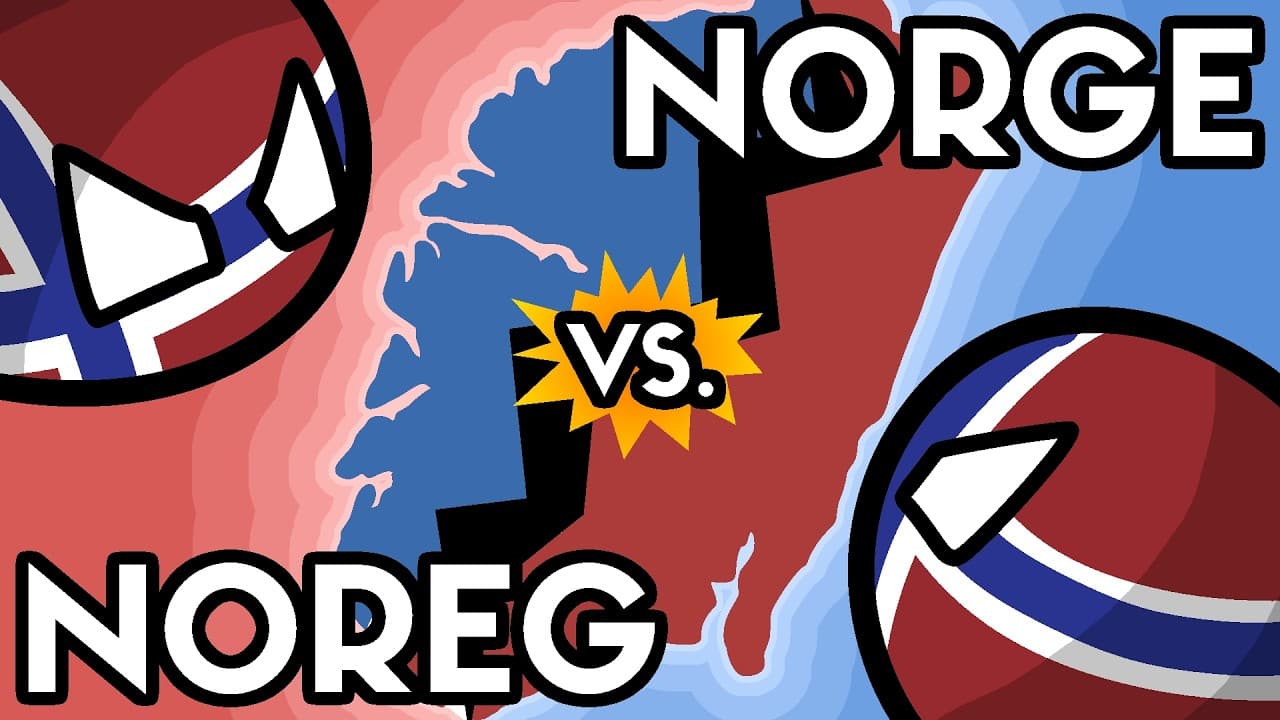
TL;DR
Norway's language evolved through historical struggles and national identity shifts.
Transcript
nor way nor Fu way it's a country that despite being home to barely a whole yorkshire's worth of people has painted a very strong and very identifiable picture for itself it's well-renowned for its FS its vast supplies of oil and its seeming inability to conquer England it's also somewhat less well-renowned for its p... Read More
Key Insights
- Norway, despite its small population, has established a strong international identity, known for social democracy and peace.
- Historically, Norway was under Danish and Swedish influence, which impacted its cultural and linguistic development.
- The Black Death devastated Norway, leading to a loss of cultural independence and a Danish-dominated aristocracy.
- Norway's language is split between Bokmål and Nynorsk, reflecting historical Danish influence and regional dialects.
- The romantic nationalism movement in the 19th century spurred efforts to revive and reshape the Norwegian language.
- Ivar Aasen played a crucial role in collecting and standardizing Norwegian dialects into a written language.
- The Norwegian language debate led to the creation of two official written forms, Bokmål and Nynorsk.
- English has become a significant bridge language in Norway, with a high proficiency rate among the population.
Install to Summarize YouTube Videos and Get Transcripts
Explore YouTube Video Summarizer or Get YouTube Transcript Extractor
Questions & Answers
Q: How did the Black Death impact Norway's language and culture?
The Black Death devastated Norway in the 14th century, killing a significant portion of the population, including most of the ruling class. This led to a loss of cultural independence as Danish influence grew. Danish became the dominant language in governance and education, shaping Norway's linguistic and cultural landscape for centuries.
Q: What role did Ivar Aasen play in the development of the Norwegian language?
Ivar Aasen was instrumental in the development of the Norwegian language. In the 19th century, he traveled across Norway, collecting dialects and standardizing them into a written form. His efforts led to the creation of Nynorsk, one of the two official written forms of Norwegian, reflecting the country's linguistic diversity and national identity.
Q: What are Bokmål and Nynorsk, and how did they come to be?
Bokmål and Nynorsk are the two official written forms of the Norwegian language. Bokmål evolved from Danish-influenced Norwegian, reflecting urban and elite speech. Nynorsk was developed by Ivar Aasen from rural dialects as part of a romantic nationalism movement. Both forms were officially recognized to accommodate Norway's diverse linguistic heritage.
Q: How has English influenced the Norwegian language landscape?
English has become a significant influence in Norway, with a high proficiency rate among the population. It serves as a bridge language, facilitating communication across regional dialects. While Norwegian remains the primary language, English is increasingly used in business, education, and media, reflecting global trends and Norway's international connections.
Q: What historical events contributed to the linguistic division in Norway?
Norway's linguistic division stems from historical events like the Black Death, which weakened cultural independence, and subsequent Danish dominance. The romantic nationalism movement in the 19th century sought to revive Norwegian dialects, leading to the creation of Bokmål and Nynorsk. These events reflect Norway's struggle for cultural and linguistic identity.
Q: How did the romantic nationalism movement influence Norwegian language development?
The romantic nationalism movement in the 19th century aimed to revive and celebrate Norway's cultural heritage. It influenced language development by promoting the collection and standardization of regional dialects. This movement, led by figures like Ivar Aasen, resulted in the creation of Nynorsk, reflecting a desire to establish a distinct national identity.
Q: What challenges did Norway face in establishing its linguistic identity?
Norway faced challenges in establishing its linguistic identity due to centuries of Danish influence and the diversity of regional dialects. The romantic nationalism movement sought to address these challenges by standardizing dialects into Nynorsk. The coexistence of Bokmål and Nynorsk reflects ongoing efforts to balance historical influences and national identity.
Q: How has Norway's linguistic history shaped its modern identity?
Norway's linguistic history, marked by foreign influence and nationalistic revival, has shaped its modern identity. The coexistence of Bokmål and Nynorsk reflects the country's diverse heritage and cultural resilience. High English proficiency further connects Norway globally, while its linguistic journey highlights the importance of preserving national identity amidst change.
Summary & Key Takeaways
-
Norway's language has evolved through centuries of foreign influence and nationalistic revival efforts, resulting in two official written forms. The country's journey from Danish dominance to linguistic independence reflects its broader cultural struggles. Despite historical challenges, Norway has embraced both Bokmål and Nynorsk, with English serving as a modern bridge.
-
The Black Death significantly impacted Norway's cultural independence, leading to Danish dominance in language and governance. However, the 19th-century romantic nationalism movement, led by figures like Ivar Aasen, sought to revive and standardize Norwegian dialects. This effort culminated in the establishment of Bokmål and Nynorsk as official languages.
-
Norway's linguistic journey is marked by historical struggles and national identity shifts. From Danish influence to a dual-language system, the country's language reflects its complex past. Today, English proficiency is high, serving as a bridge among diverse dialects, while Bokmål and Nynorsk coexist as official written forms.
Read in Other Languages (beta)
Share This Summary 📚
Summarize YouTube Videos and Get Video Transcripts with 1-Click
Try YouTube Summary with ChatGPT & Claude or YouTube Transcript Generator