The Merits of Black and White Film, with A.J. Edwards | Big Think
TL;DR
Filmmaker discusses the use of black and white in "The Better Angels" to create a sensory experience and remove sentimentality.
Transcript
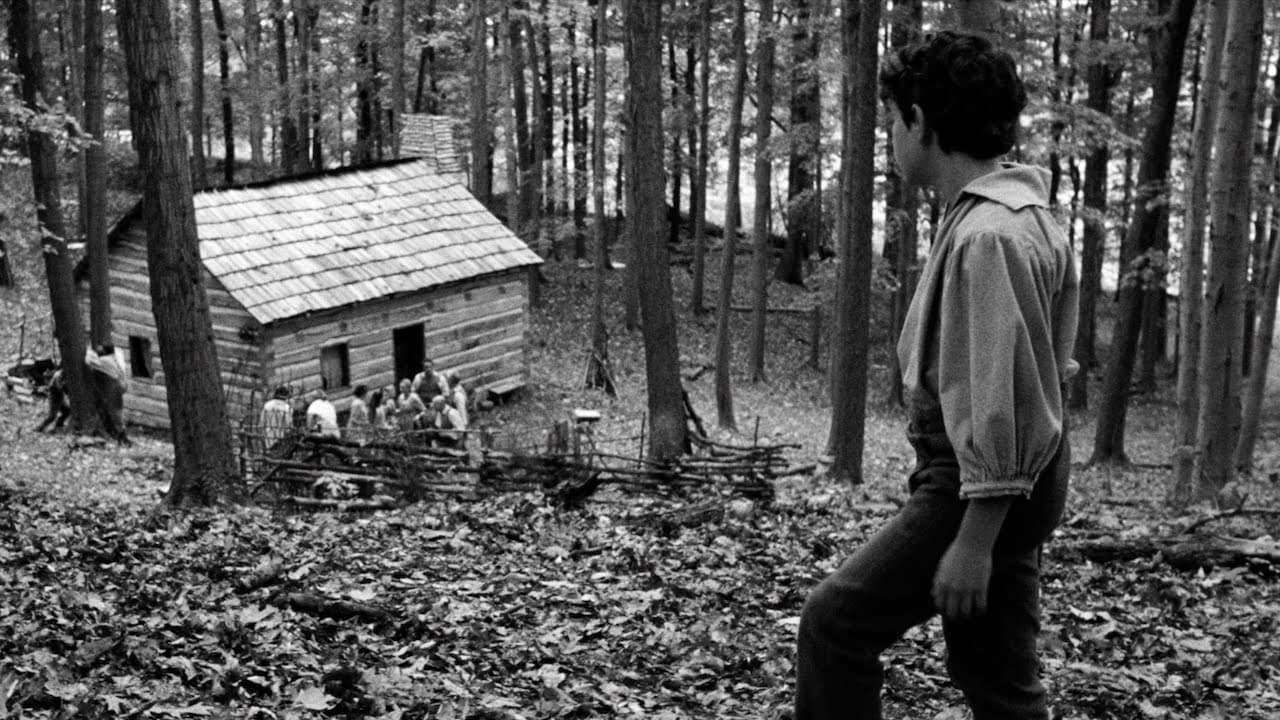
The Better Angels was conceived in black and white from the very beginning. It was just the way that I felt Lincoln existed. Lincoln lives in black and white and I didn’t want to see him in color. The reason why we thought it was appropriate wasn’t purely for aesthetic reasons but also to remove the romance of frontier life, you know, what we imagi... Read More
Key Insights
- 🖤 Shooting in black and white can remove sentimentality and clichés, adding integrity to a film.
- 🖤 Black and white abstracts everything, making characters and scenes more relatable on a general level.
- 😒 The use of black and white can transport viewers into the past and help create a specific atmosphere.
- 🖤 Filmmakers considering black and white should be prepared to fight for their vision and overcome potential stigma.
Install to Summarize YouTube Videos and Get Transcripts
Explore YouTube Video Summarizer or Get YouTube Transcript Extractor
Questions & Answers
Q: Why did the filmmaker choose to shoot "The Better Angels" in black and white?
The filmmaker believed that Lincoln existed in black and white and wanted to remove the romanticized portrayal of frontier life. The use of black and white also created austerity and starkness, adding integrity to the film.
Q: How does black and white enhance the sensory experience for the audience?
Black and white abstracts everything and turns it into icons, making the characters and scenes more relatable on a general level. It allows the audience to walk beside Lincoln, labor with him, and experience his emotions more deeply.
Q: How did the use of black and white benefit the production design team?
Black and white immediately transports viewers into the past, and this helped the production design team overcome the limitations of their budget. By muting the color, they were able to create the necessary atmosphere and immerse the audience in the story.
Q: Is shooting in black and white a disadvantage for a filmmaker?
While black and white may have a stigma attached to it, it can actually enhance a film if the story and performances are strong. The success of films like "Schindler's List" proves that audience connection is not dependent on color or black and white.
Summary & Key Takeaways
-
"The Better Angels" was intentionally shot in black and white to represent Lincoln's existence and remove the romanticized portrayal of frontier life.
-
Black and white abstracts everything into icons, providing a generality that enhances the sensory experience for the audience.
-
The use of black and white helped the production design team create a sense of transporting into the past and worked well with the limited budget.
Read in Other Languages (beta)
Share This Summary 📚
Summarize YouTube Videos and Get Video Transcripts with 1-Click
Try YouTube Summary with ChatGPT & Claude or YouTube Transcript Generator
Explore More Summaries from Big Think 📚




Summarize YouTube Videos and Get Video Transcripts with 1-Click
Try YouTube Summary with ChatGPT & Claude or YouTube Transcript Generator