Neuralink: Pros and Cons | Karl Deisseroth and Lex Fridman
TL;DR
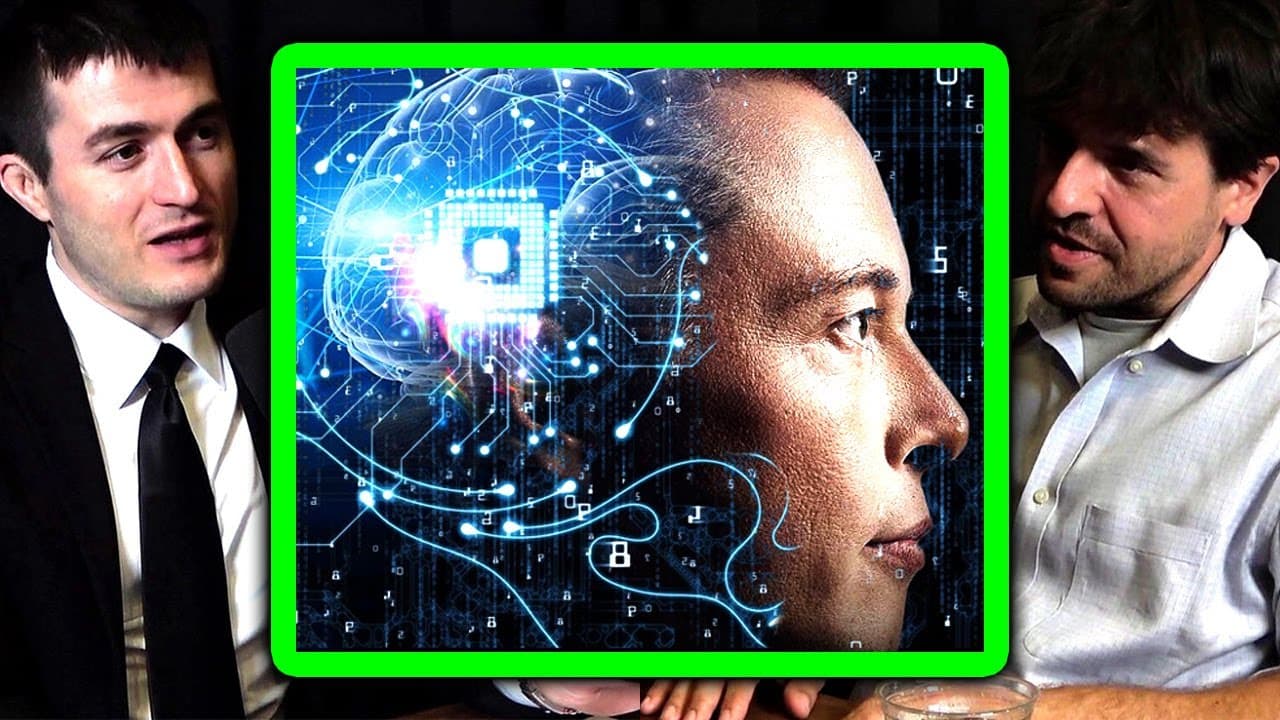
Neuralink and brain computer interfaces are revolutionary technologies that involve using electrical signals to stimulate and record brain activity, with the potential to advance our understanding of the brain and improve human capabilities.
Transcript
there's a lot of ideas under the umbrella of neuralink but one of them is to use electrical signals to stimulate and then you also record you collect electrical signals from the brain at a higher and higher resolution and you go implant surgically the methods by which you do the stimulation and the the data collection so it's possible for the ideas... Read More
Key Insights
- 👏 Neuralink's engineering approach and design have received praise, especially for bringing novel ideas to the field of brain computer interfaces.
- 🥹 Deep brain structures hold crucial information that surface-level approaches may miss, making the exploration of these regions essential.
- 🙂 Opto-electric interfaces offer synergistic benefits by combining electrical recording and light stimulation methods.
- 🙂 Light scattering in the brain presents challenges, but various techniques, such as using longer wavelengths and fiber optic methods, have been developed to address this issue.
Install to Summarize YouTube Videos and Get Transcripts
Explore YouTube Video Summarizer or Get YouTube Transcript Extractor
Questions & Answers
Q: What is Neuralink and what does it aim to achieve?
Neuralink is a project focused on developing brain computer interfaces that use electrical signals to stimulate and record brain activity. It aims to create a deeper understanding of the brain and potentially enhance human capabilities.
Q: How is the Neuralink project different from traditional approaches?
Unlike traditional approaches that focus on surface-level recording, Neuralink and other researchers are exploring deep brain structures. This allows for a more comprehensive understanding of the brain and access to regions responsible for motivation, hunger, social interaction, and more.
Q: What are the benefits of combining electrical and optical methods in brain computer interfaces?
The combination of electrical and optical methods, known as opto-electric brain computer interfaces, offers significant advantages. It provides multiple channels of information flow, allowing researchers to play patterns of activity with light and record electrical brain activity simultaneously.
Q: What challenges exist in using light-based methods in brain computer interfaces?
Light scattering in the brain poses challenges to achieving high-resolution imaging. However, researchers have developed workarounds, such as using longer-wavelength light, two or three photon methods, fiber optic methods, and holographic methods, to overcome these limitations.
Summary & Key Takeaways
-
Neuralink is a groundbreaking project that aims to develop brain computer interfaces using electrical signals to stimulate and record brain activity.
-
Traditional approaches to brain computer interfaces focus on surface-level recording methods, but Neuralink and other researchers are exploring deep brain structures for a more comprehensive understanding.
-
The combination of electrical and optical methods, known as opto-electric brain computer interfaces, has shown promising results in animal experiments.
Read in Other Languages (beta)
Share This Summary 📚
Summarize YouTube Videos and Get Video Transcripts with 1-Click
Try YouTube Summary with ChatGPT & Claude or YouTube Transcript Generator
Explore More Summaries from Lex Clips 📚




Summarize YouTube Videos and Get Video Transcripts with 1-Click
Try YouTube Summary with ChatGPT & Claude or YouTube Transcript Generator