How to Create a Storyboard for eLearning (Instructional Design)
TL;DR
Storyboards serve as blueprints for eLearning projects, enabling easier approval and streamlined development processes.
Transcript
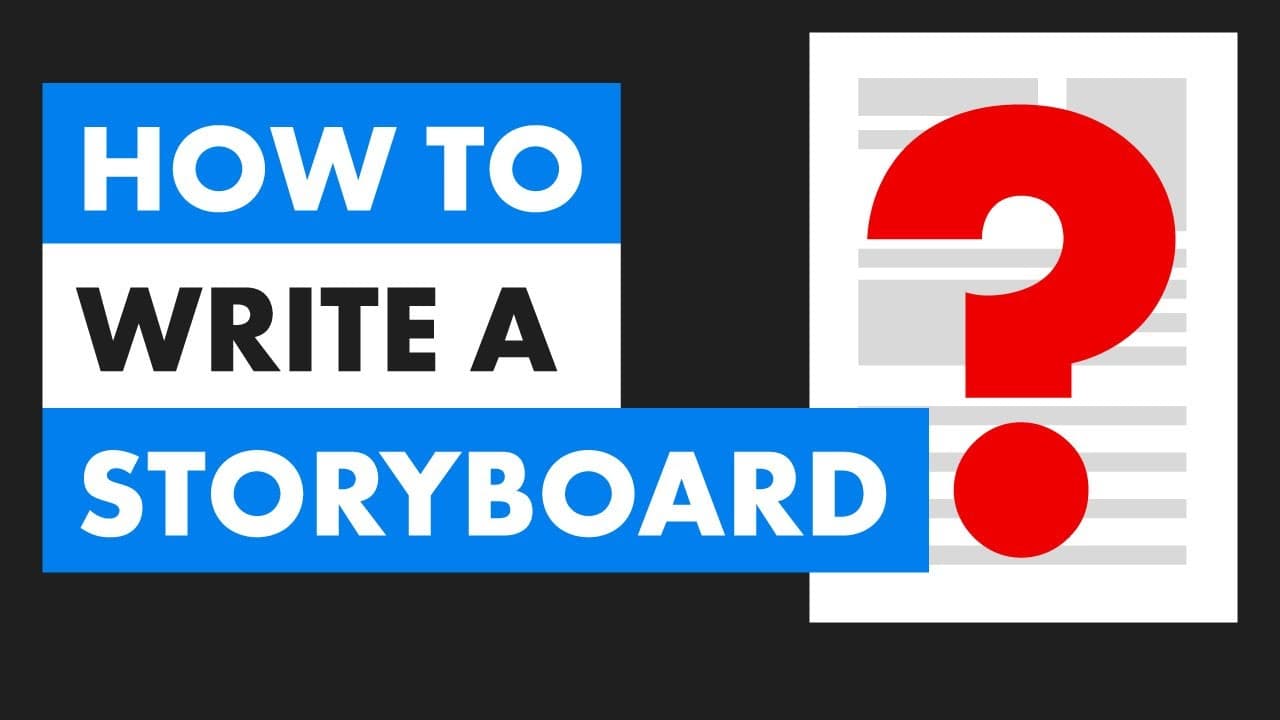
Hello, my friends. So storyboards and eLearning are kind of like blueprints for a house. When you have a really good storyboard, it serves as the basis for the rest of your project. It makes it so much easier to get approval on the project itself. And it just streamlines the development process. So in this video, we're going to take a loo... Read More
Key Insights
- 📽️ Storyboards serve as a blueprint for eLearning projects, allowing for easier project approval and streamlined development.
- ℹ️ It is important to gather source material and conduct audience analysis before creating a storyboard.
- ⚾ Different types of storyboards can be used depending on the project, including traditional eLearning course storyboards, scenario-based storyboards, and video or animation-based storyboards.
- 🔨 Storyboards can be created using various tools, such as Google Docs, Microsoft Word, PowerPoint, or the eLearning authoring tool itself.
- ⌛ Templates can be created to save time and ensure consistency in storyboarding.
- 🎨 Incorporating learning objectives and programming notes into storyboards is crucial for effective instructional design.
- 📽️ Collaboration with clients and stakeholders during the storyboard creation process helps ensure that the final project meets their expectations.
Install to Summarize YouTube Videos and Get Transcripts
Explore YouTube Video Summarizer or Get YouTube Transcript Extractor
Questions & Answers
Q: What is the purpose of a storyboard in instructional design?
A storyboard serves as a visual representation of the learning experience, allowing clients to understand the final project and developers to bring it to life.
Q: How should learning objectives be incorporated into storyboards?
Learning objectives should guide the content, practice activities, and assessment questions included in the storyboard, ensuring that they directly address the desired outcomes.
Q: What elements should be included in a storyboard?
A storyboard should include onscreen text, voiceover scripts or file names, images descriptions or file names, programming notes, animation notes, and slide numbers or titles.
Q: What are some popular tools for creating storyboards?
Google Docs, Microsoft Word, and PowerPoint are commonly used tools for creating storyboards. Some designers also create storyboards directly within the eLearning authoring tool itself.
Summary & Key Takeaways
-
Storyboards serve as the basis for eLearning projects, providing an outline of the learning experience and programming notes.
-
Before creating a storyboard, it is important to gather source material such as action maps or learning objectives and conduct audience analysis.
-
Different types of storyboards can be used, including traditional eLearning course storyboards, story-driven scenario-based storyboards, and video or animation-based storyboards.
Read in Other Languages (beta)
Share This Summary 📚
Summarize YouTube Videos and Get Video Transcripts with 1-Click
Try YouTube Summary with ChatGPT & Claude or YouTube Transcript Generator
Explore More Summaries from Devlin Peck 📚





Summarize YouTube Videos and Get Video Transcripts with 1-Click
Try YouTube Summary with ChatGPT & Claude or YouTube Transcript Generator