Saving our coral reefs to save ourselves | Nathalie Goodkin | IdeasLab
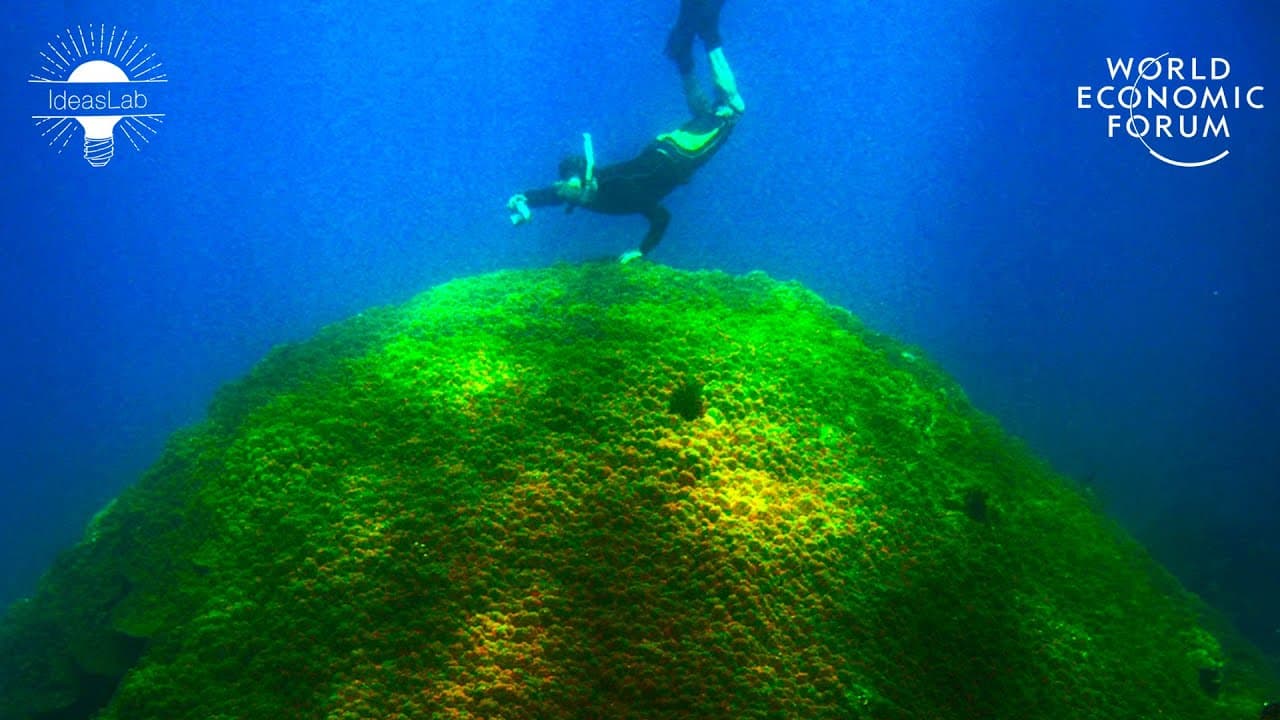
TL;DR
Coral reefs are facing increasing threats from rising sea temperatures, pollution, and overfishing, leading to their decline and putting coastal cities and marine biodiversity at risk.
Transcript
as a five-year-old child from landlocked Illinois I had my first snorkeling opportunity when my family traveled Tarawa island in the South China Sea mask and snorkel on life vests secured I plunged into the ocean and my life was forever changed corals cover our tropical oceans from the Indian the Pacific and the Atlantic with the largest coral dive... Read More
Key Insights
- 😀 Coral reefs have existed for millions of years but are now facing unprecedented threats, primarily due to human activities.
- 😋 Overfishing is a significant threat to coral reefs, as reef-based fish are vital for both the ecosystem and global food security.
- 🪸 Plastics in the ocean contribute to coral mortality, increasing the urgency to address marine pollution.
- 🌇 The decline of coral reefs puts coastal cities at risk as their ability to dissipate wave energy diminishes and sea levels rise.
- 🪸 Coral reefs have immense economic value, supporting industries such as tourism, fisheries, and coastal protection.
- 🧑🔬 Coral reefs provide a historical record of climate change, helping scientists understand the role of oceans in climate systems.
- 👨🔬 Climate action, such as reducing CO2 emissions, is crucial for coral reef conservation, but genetic research and careful restoration efforts are also essential.
Install to Summarize YouTube Videos and Get Transcripts
Explore YouTube Video Summarizer or Get YouTube Transcript Extractor
Questions & Answers
Q: What are the primary threats to coral reefs?
The primary threats to coral reefs include rising sea temperatures, pollution (especially from plastics), and overfishing. These factors contribute to coral bleaching, reduced biodiversity, and the overall decline of coral reef ecosystems.
Q: What role do coral reefs play in the economy?
Coral reefs provide around $375 billion in economic services annually, supporting industries such as tourism, fisheries, and coastal protection. They are vital for the livelihoods of millions of people worldwide.
Q: How can coral reefs help us understand climate change?
Coral reefs act as valuable scientific resources, recording environmental changes through their growth. By analyzing the chemical structures within coral skeletons, researchers can reconstruct records of climate change, including sea surface temperature and ocean circulation patterns.
Q: What can be done to save coral reefs?
Decreasing CO2 emissions is crucial, but additional actions are needed. This includes identifying resilient coral species through genetic research, restoring reefs through transplantation, establishing marine protected areas, and considering chemical conditions to preserve corals in favorable environments.
Summary & Key Takeaways
-
Corals have existed on Earth for 500 million years, providing habitat and beauty to oceans, but they are now facing threats from rising sea temperatures, pollution, and overfishing.
-
Coral reefs are at risk, with 75% of them facing threats today, impacting the 500 million people in 90 countries who rely on their economic services.
-
The decline of coral reefs also affects coastal cities, as they play a vital role in dissipating wave energy and protecting against storms.
Read in Other Languages (beta)
Share This Summary 📚
Summarize YouTube Videos and Get Video Transcripts with 1-Click
Try YouTube Summary with ChatGPT & Claude or YouTube Transcript Generator
Explore More Summaries from World Economic Forum 📚

Summarize YouTube Videos and Get Video Transcripts with 1-Click
Try YouTube Summary with ChatGPT & Claude or YouTube Transcript Generator