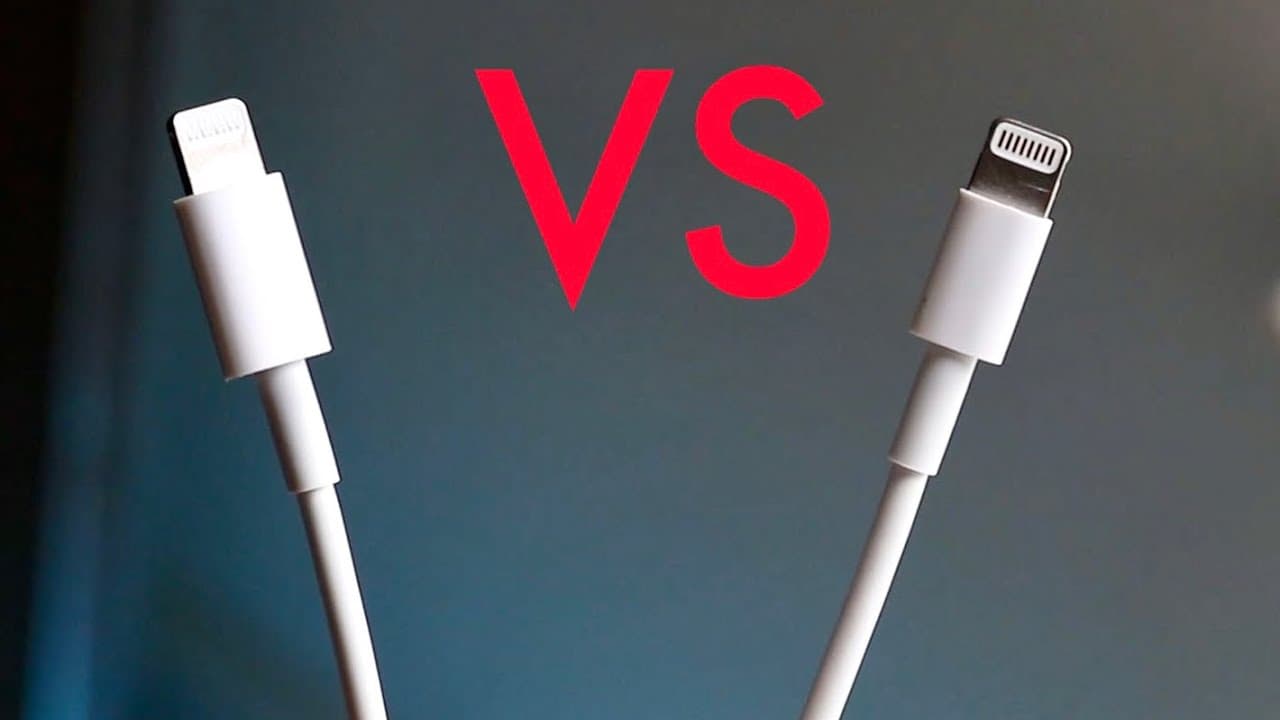
Cheap Vs Expensive iPhone Charger! (Comparison)
TL;DR
Cheaper iPhone chargers may damage devices; certified ones are recommended.
Transcript
so for the whole entire time that I've ever owned any iPhone I've pretty much been using one of the same Chargers it's been this you know USB to lightning and it's been the stock one that I got I believe with my iPhone 12 Pro or my iPhone 13 Pro and it's been about a few years since iPhones maybe it was with my 12 Pro and one thing I will tell you ... Read More
Key Insights
- 🥺 Using non-certified chargers can lead to device overheating, negatively impacting battery life and health.
- 👤 Original chargers are sufficient for most users, providing reliable performance without additional purchases.
- ⛈️ It’s important to recognize the difference between USB-A to Lightning and USB-C to Lightning cables for optimal connectivity.
- 🤑 Purchasing chargers in bulk can save money but be cautious of quality; ensure they are certified.
- 👋 Brands like Anker or Amazon Basics often provide good alternatives to official Apple chargers.
- 🤩 Many low-cost cables can be found online, but careful selection is key to avoid counterfeit or non-compliant products.
- 🍃 Charging habits, such as leaving a phone plugged in overnight, can affect battery longevity regardless of charger quality.
Install to Summarize YouTube Videos and Get Transcripts
Explore YouTube Video Summarizer or Get YouTube Transcript Extractor
Questions & Answers
Q: What are the main drawbacks of using cheap iPhone chargers?
Cheap iPhone chargers often lack Apple's certification, which can lead to compatibility issues. They may also result in overheating and battery degradation, as non-certified cables could deliver inconsistent power levels. Over time, using these chargers might decrease battery health and overall device performance.
Q: Is it worth purchasing a higher-priced lightning cable?
Yes, investing in a higher-priced lightning cable, especially those certified by Apple, ensures better compatibility and safety for your device. Although more expensive, these cables are built to provide reliable performance and won't risk degrading your battery health or causing overheating problems.
Q: How can I avoid issues with charging cables in the future?
To avoid charging issues, always opt for certified cables from reputable brands. Keep track of the cables you use and ensure they match your device's specifications. When traveling, bring multiple certified chargers to prevent inconvenience. Purchasing from reliable retailers can also safeguard against counterfeit products.
Q: What signs indicate a charger may be damaging my iPhone?
Signs that a charger may be damaging your iPhone include excessive heat during charging, slower charging speeds, or frequent battery drain. If you notice that your device’s performance diminishes over time or the battery life declines, it may be due to using a substandard charger.
Summary & Key Takeaways
-
Experience shows that while inexpensive lightning cables are appealing, they often lack certification and can harm iPhone performance and battery health over time.
-
Using an official or certified charger can prevent overheating and battery degradation, ensuring the longevity of the device.
-
The standard charger included with an iPhone is typically reliable, and spending more on high-quality alternatives can enhance durability.
Read in Other Languages (beta)
Share This Summary 📚
Summarize YouTube Videos and Get Video Transcripts with 1-Click
Try YouTube Summary with ChatGPT & Claude or YouTube Transcript Generator
Explore More Summaries from Simple Alpaca 📚


Summarize YouTube Videos and Get Video Transcripts with 1-Click
Try YouTube Summary with ChatGPT & Claude or YouTube Transcript Generator