Lungs 101 | National Geographic
TL;DR
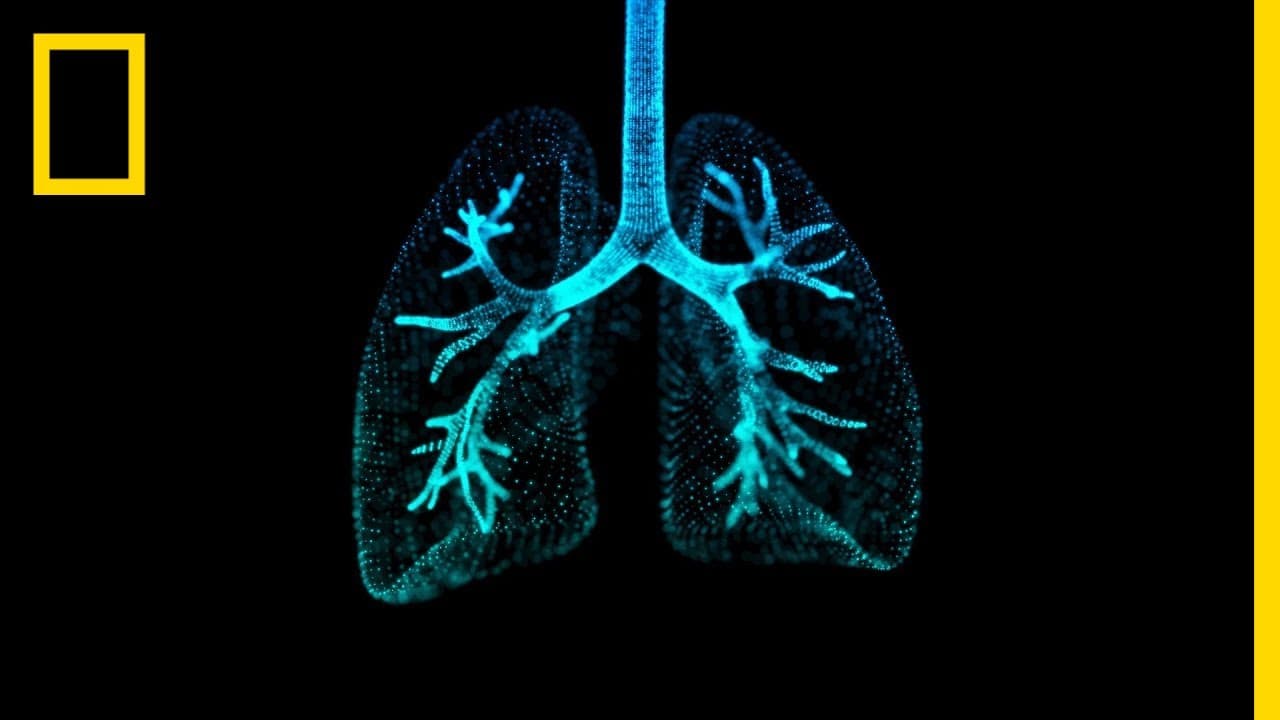
The lungs, with their complex structure and vital functions, play a crucial role in the respiratory system.
Transcript
- [Narrator] Breathe in, breathe out. With every breath, the body is replenished and cleansed. A process made possible by two of the body's most important and delicate organs. The lungs are two major components of the respiratory system. Soft, light, and elastic, these organs are prime for taking in and filling up with air. Each lung is subdivided ... Read More
Key Insights
- ✈️ The lungs have a soft, light, and elastic structure, allowing them to expand and fill with air.
- 🫁 The lobes and bronchi of the lungs provide fail-safe mechanisms and independent supplies of air.
- 💱 The exchange of oxygen and carbon dioxide in the alveoli is crucial for respiration.
- 🫁 Lung diseases, such as emphysema and pneumonia, can be caused by inhalation of harmful substances or infectious organisms.
- 🫀 The vulnerability of the lungs makes them prone to diseases, but their anatomical design helps them maintain their function.
Install to Summarize YouTube Videos and Get Transcripts
Explore YouTube Video Summarizer or Get YouTube Transcript Extractor
Questions & Answers
Q: How are the lungs structured in the respiratory system?
The lungs are divided into lobes, with the right lung having three and the left lung having two. This division allows for independent functioning and serves as a fail-safe mechanism.
Q: What is the role of the bronchi in lung function?
The bronchi connect the trachea to the lobes of the lungs, delivering air from the nose and mouth. They provide separate supplies of air to each lobe, ensuring efficient respiration.
Q: How does the process of respiration occur in the lungs?
In the alveoli, oxygen from inhaled air passes through the thin walls and is absorbed by blood cells in the capillaries. At the same time, carbon dioxide waste in the bloodstream passes through the alveolar walls and is expelled during exhalation.
Q: What are some common lung conditions and their causes?
Lung conditions like emphysema can be caused by inhaling tobacco smoke, while pneumonia can be caused by inhaling infectious organisms. These conditions contribute to lung diseases, which rank as the fourth-leading cause of death in the United States.
Summary & Key Takeaways
-
The lungs are essential organs in the respiratory system, allowing the body to breathe in and out air.
-
Each lung is divided into lobes that serve as fail-safes, ensuring proper functioning even if one lobe is damaged.
-
The process of respiration occurs in the alveoli, where oxygen is absorbed and carbon dioxide is expelled.
Read in Other Languages (beta)
Share This Summary 📚
Summarize YouTube Videos and Get Video Transcripts with 1-Click
Try YouTube Summary with ChatGPT & Claude or YouTube Transcript Generator
Explore More Summaries from National Geographic 📚




Summarize YouTube Videos and Get Video Transcripts with 1-Click
Try YouTube Summary with ChatGPT & Claude or YouTube Transcript Generator