The “Devas” and “Asuras” in Hinduism - What They Really Were
TL;DR
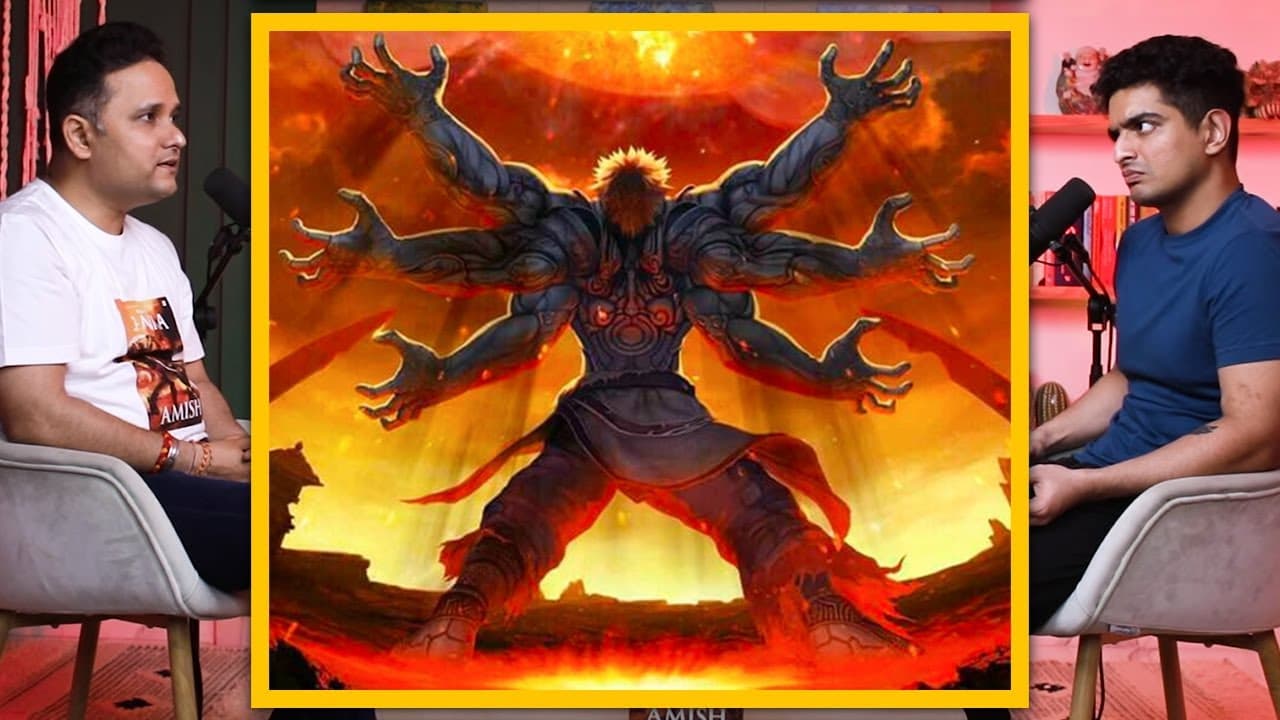
The video explores the nuanced understanding of Asuras in Indian philosophy compared to Western perspectives.
Transcript
all right so back on this channel you're on that zone to learn more about the world this is the highlights channel of the ranveer show enjoy this video hit the like button and subscribe for countless playlists and countless videos that'll enhance your mind kind of link to Mata is this whole concept of Asura's Dana it's always there in the Mata stor... Read More
Key Insights
- 🇪🇭 The portrayal of Asuras and Devas reflects a more nuanced understanding of morality in Indian philosophy, contradicting oversimplified Western interpretations.
- 🙈 Such characters were seen historically as both allies and rivals, emphasizing cyclical power dynamics rather than absolute good or evil.
- 🖐️ Cultural exchanges have played a significant role in shaping religious and mythological narratives across civilizations, indicating a profound interconnectedness.
- 🍻 The conversation draws attention to the impact of modern consumer culture on the environment, linking it to mythological allegories for misplaced values.
- 🎮 The video advocates for a reassessment of historical texts to appreciate their complexity and relevance in understanding contemporary issues.
- ❓ Physical representation and moral character should not be correlated strictly; many Asuras were depicted as capable, admirable figures in ancient texts.
- 🤕 There exists a cyclical view of ages in Indian philosophy, suggesting historical patterns of moral decay and renewal that resonate with modern societal concerns.
Install to Summarize YouTube Videos and Get Transcripts
Explore YouTube Video Summarizer or Get YouTube Transcript Extractor
Questions & Answers
Q: What is the traditional view of Asuras in Indian philosophy?
Asuras in Indian philosophy are often misunderstood as purely demonic entities, but they represent complex characters akin to step-siblings or rivals to Devas. This interpretation emphasizes that both Asuras and Devas have their own attributes, strengths, and weaknesses, transcending the simplistic good versus evil dichotomy found in other cultures.
Q: How are the Asuras and Devas depicted in terms of physical appearance and moral standing?
Unlike the common portrayal of Asuras as green-skinned demons, the text conveys that they can be attractive and noble, similar to Devas. The ancient texts describe these characters in intricate ways, suggesting that moral standing is more reliant on actions than appearances, contrasting sharply with Western binary views of morality.
Q: What are some similarities between Indian philosophy and Zoroastrian beliefs?
Both traditions share philosophical concepts such as dualism and the idea of moral choices impacting one's spiritual journey. The perspectives on Devas and their counterparts in Zoroastrianism reflect a nuanced understanding of divine and demonic forces, indicating historical cross-cultural exchanges influencing beliefs and narratives.
Q: In what ways does the content link contemporary consumption to mythological stories?
The video parallels modern consumer habits to mythological figures known for their insatiable appetites, symbolizing a lack of control and sustainability. It suggests that just as those figures were ultimately flawed, contemporary society's pursuit of material goods leads to detrimental consequences for the environment and personal fulfillment.
Q: Why does the video argue that interpretations of Asuras have been simplified in modern times?
The reductionist view of Asuras as purely evil stems from the influence of Western thought, which often categorizes characters in a binary manner. This video emphasizes the need to re-evaluate these narratives with an understanding of their cultural context, complexity, and the historical relationships between such figures.
Q: How does ancient geography play a role in the understanding of Asuras according to the content?
The geographical context extends beyond just the Indian subcontinent, incorporating broader cultural influences from areas like Central Asia. This enriched understanding suggests that ancient narratives and characters like Asuras could have had influences or counterparts across diverse cultures, reflecting a shared human experience.
Summary & Key Takeaways
-
The content discusses the traditional Indian view of Asuras and Devas, emphasizing their complex relationships and how these characters are not strictly good or evil as interpreted in Western cultures.
-
It highlights the global spread of ancient concepts from Indian texts, showing that cultural influences were more interconnected than previously acknowledged, including references to Zoroastrianism and Mithraism.
-
The narrative critiques modern consumerism, paralleling it with mythological stories of insatiable appetites represented by certain characters, suggesting that contemporary society has lost a sense of balance in its pursuits.
Read in Other Languages (beta)
Share This Summary 📚
Summarize YouTube Videos and Get Video Transcripts with 1-Click
Try YouTube Summary with ChatGPT & Claude or YouTube Transcript Generator
Explore More Summaries from TRS Clips 📚




Summarize YouTube Videos and Get Video Transcripts with 1-Click
Try YouTube Summary with ChatGPT & Claude or YouTube Transcript Generator