Human Rights: Developments - Professor Sir Geoffrey Nice QC
TL;DR
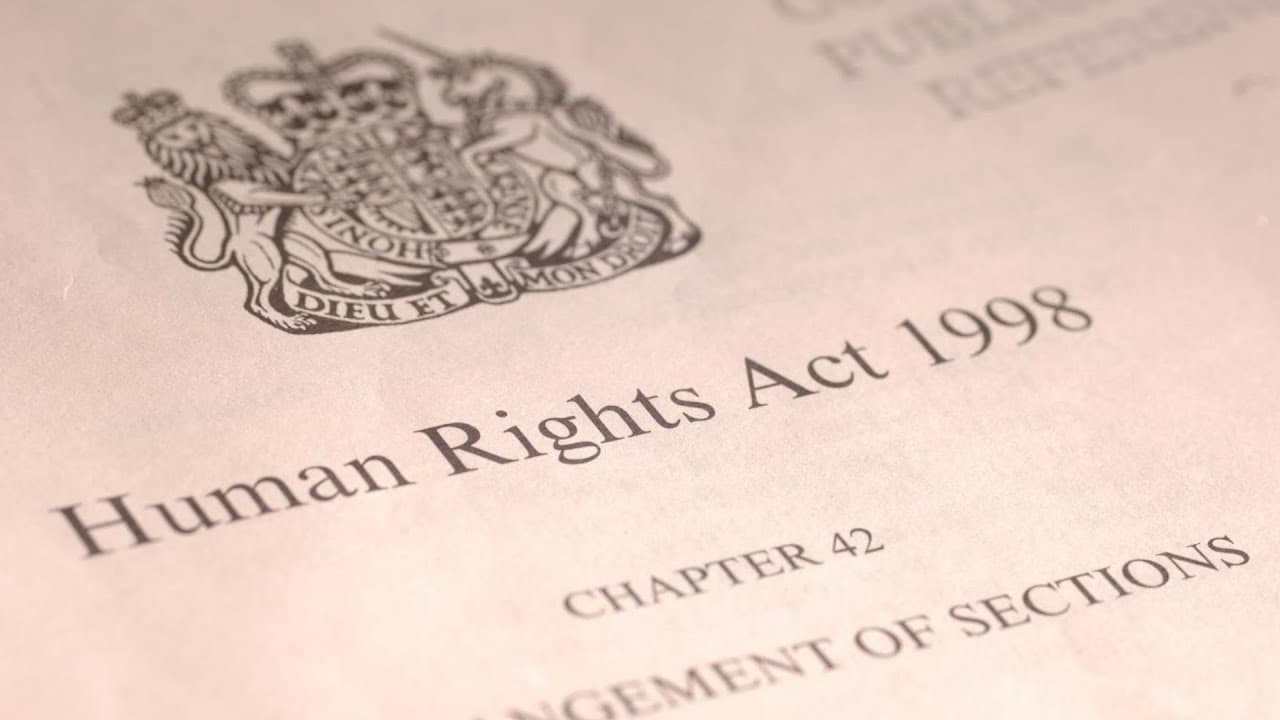
Exploring the intricacies of human rights, including issues such as prisoner voting rights, the treatment of prisoners, and the role of MPs in advocating for prisoners' rights.
Transcript
good evening for those of you who struggled to hear bits of my lecture from Jerusalem a month ago sorry I hope the chocolates make up I might bring more out at question time um in the first of three lectures dealing with human rights I reviewed a history to ask whether human rights exist as a special category of right in the second lecture I attemp... Read More
Key Insights
- 🗯️ Human rights are a fundamental aspect of society, but their interpretation and application can vary.
- 🗯️ The issue of prisoner voting rights highlights the challenging balance between punishment and the protection of human rights.
- 🗯️ The idea of prisoners as a constituency suggests that they should have dedicated MPs to advocate for their rights and promote their interests.
- 🥶 Rights need to be both recognized and protected, and society must strive towards creating a prison-free society.
Install to Summarize YouTube Videos and Get Transcripts
Explore YouTube Video Summarizer or Get YouTube Transcript Extractor
Questions & Answers
Q: Should prisoners be allowed to vote?
The question of prisoner voting rights is a complex one. Some argue that prisoners have forfeited their right to vote by committing a serious crime, while others argue that denying them the right to vote is a violation of their human rights. Ultimately, the decision comes down to balancing the need for punishment with the recognition and protection of human rights.
Q: Should prisoners have access to news and nourishing food?
While prisoners have lost their right to liberty, it is important to recognize that they still have other fundamental rights. Denying them access to news and nourishing food would be a violation of their rights as individuals. Prisoners should be treated with basic human dignity and have access to the same amenities as anyone else.
Q: How can we reduce the number of people in prison?
One approach suggested by the speaker is to have dedicated MPs focused on the rights and wrongs of prisoners. By regularly visiting prisons and focusing on the underlying issues that lead people to prison, it may be possible to address these root causes and reduce the number of people being incarcerated. Additionally, the speaker suggests that society needs to reflect on its values and strive towards creating a prison-free society.
Q: Should disability rights be treated as a separate category?
The speaker raises the idea of having specialist MPs for the disabled, who can advocate for their specific needs and rights. This suggestion highlights the importance of recognizing the unique challenges faced by disabled individuals and ensuring that their rights are protected. By having dedicated representatives, it may be possible to address the specific barriers and discrimination faced by the disabled community.
Summary & Key Takeaways
-
The speaker discusses the history and existence of human rights as a special category of rights.
-
The issue of prisoner voting rights is raised, with arguments for and against it.
-
The speaker suggests that prisoners should be considered a constituency and have dedicated MPs to advocate for their rights.
-
The speaker also discusses the need for rights to be both recognized and protected, and reflects on the rights of disabled individuals.
Read in Other Languages (beta)
Share This Summary 📚
Summarize YouTube Videos and Get Video Transcripts with 1-Click
Try YouTube Summary with ChatGPT & Claude or YouTube Transcript Generator
Explore More Summaries from Gresham College 📚

Summarize YouTube Videos and Get Video Transcripts with 1-Click
Try YouTube Summary with ChatGPT & Claude or YouTube Transcript Generator