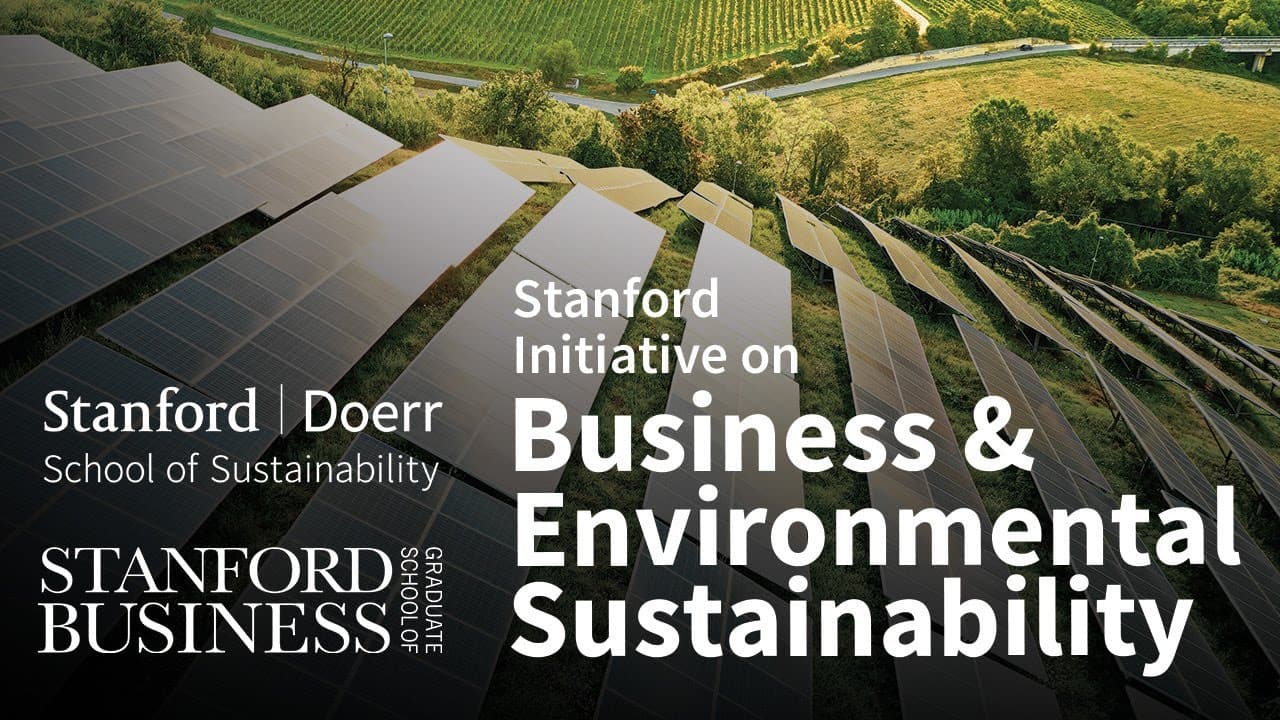
Ep. 8, Advancing Sustainable Urban Infrastructure Workshop
TL;DR
This podcast discusses the highlights and key insights from a workshop on sustainable urban infrastructure, focusing on unintended consequences, new models for urban governance, and understanding risk and resilience.
Transcript
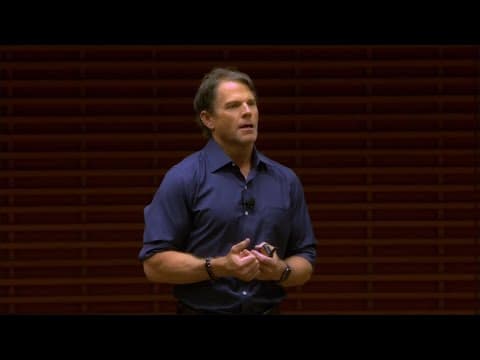
[MUSIC] Greetings from Stanford University, I'm Bill Barnett, professor at the Stanford Graduate School of Business and the Stanford Doerr School of Sustainability. >> I'm Ingrid Ackerman, an undergraduate in the School of Engineering. >> And we have with us here today, Professor Sarah Billington, from the Department of Civil and Environmental Engi... Read More
Key Insights
- 😒 Unintended consequences are a common concern in sustainable urban infrastructure, with examples including climate change-induced migration and the use of toxic materials.
- 🤩 New models of urban governance and building resilient cities are key to addressing sustainability challenges.
- 🏛️ Transportation systems and building energy consumption are important areas to focus on for sustainable cities.
- 🏛️ Awareness of embedded forced labor in building materials is emerging as a critical social sustainability issue.
- 👳 Sustainable urban design should balance density and access to nature to improve the well-being of residents.
- 🤢 Understanding and managing risks, such as flooding and sea level rise, is crucial for sustainable urban development.
- 👳 Collaborative efforts involving stakeholders from academia, industry, and government are needed to drive sustainable urban infrastructure initiatives.
Install to Summarize YouTube Videos and Get Transcripts
Explore YouTube Video Summarizer or Get YouTube Transcript Extractor
Questions & Answers
Q: What was the main objective of the workshop on Advancing Sustainable Urban Infrastructure?
The workshop aimed to bring together stakeholders from various sectors to discuss and generate ideas for sustainable cities and infrastructure.
Q: What were some of the topics discussed during the workshop?
The workshop covered topics such as new models for urban governance, equity and well-being, understanding and managing risk, and the role of buildings and materials in sustainability.
Q: How did the workshop address the issue of unintended consequences in sustainable urban infrastructure?
Speakers discussed examples of unintended consequences in areas such as climate change-induced migration and the use of lead batteries in Bangladesh. The goal was to make these invisible issues visible and raise awareness about potential ethical dilemmas in finding solutions.
Q: How did the workshop highlight the importance of cities in sustainability efforts?
Cities were emphasized as crucial in sustainable development, as they consume a significant amount of energy and produce high levels of CO2 emissions. Designing sustainable cities with higher density and improved infrastructure is seen as key in reducing carbon emissions.
Summary & Key Takeaways
-
The workshop brought together experts and stakeholders interested in sustainable cities, including academics, industry professionals, government officials, and students.
-
The workshop featured quick talks, open floor discussions, and brainstorming sessions to generate ideas and foster collaboration.
-
One of the key highlights was the theme of unintended consequences, such as climate change-induced migration and the ethical dilemmas surrounding potential solutions.
Read in Other Languages (beta)
Share This Summary 📚
Summarize YouTube Videos and Get Video Transcripts with 1-Click
Try YouTube Summary with ChatGPT & Claude or YouTube Transcript Generator
Explore More Summaries from Stanford Graduate School of Business 📚


Summarize YouTube Videos and Get Video Transcripts with 1-Click
Try YouTube Summary with ChatGPT & Claude or YouTube Transcript Generator