Catching Killers with Google: How Suspects’ Digital Footprints Led to Their Arrests
TL;DR
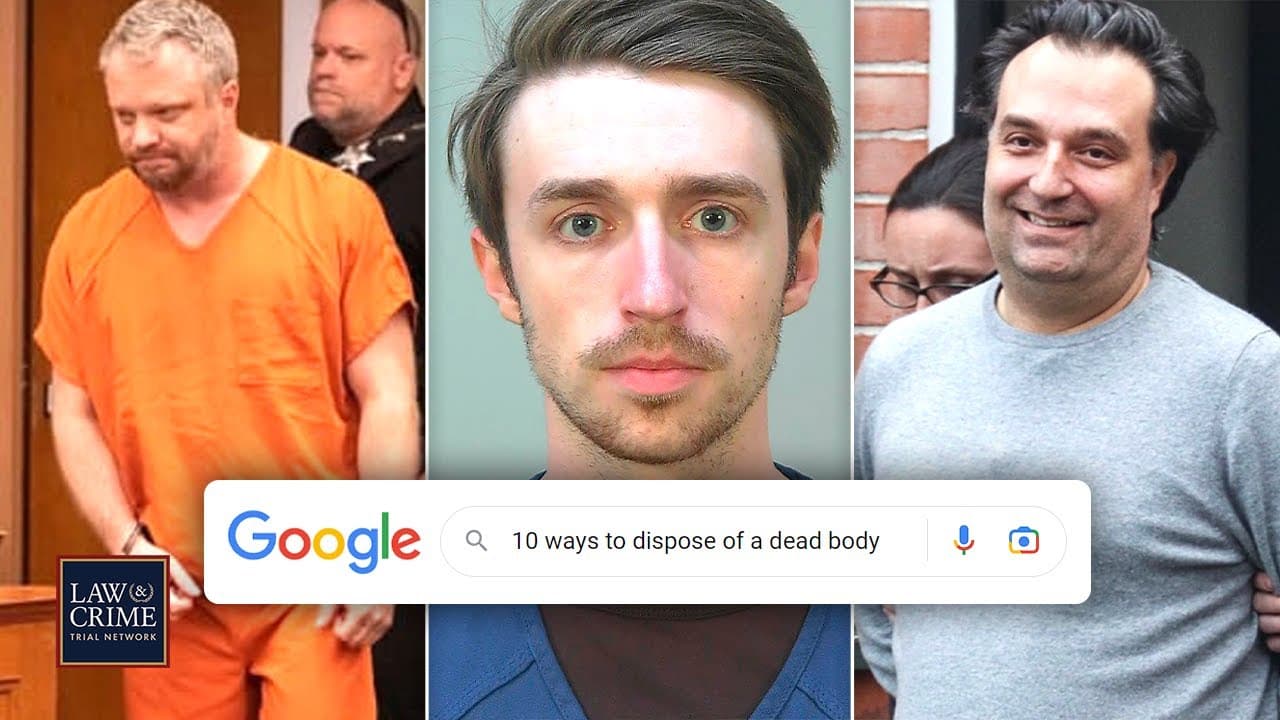
In murder cases, incriminating search histories have become crucial evidence that can corroborate physical evidence and provide insight into a suspect's motive and method.
Transcript
at 4 55 a.m on January 1st he searched how long before a body starts to smell at 4 58 am how to stop a body from decomposing at 5 20 am he searched how to impound Authority at 5 47 am 10 ways to dispose dispose of a dead body if you really need to obviously when you find that it's damning incriminating search history it's something we see brought u... Read More
Key Insights
- 👨🔬 Incriminating search histories can provide powerful evidence in murder cases, providing insight into a suspect's mindset and establishing a timeline.
- 👨🔬 Physical evidence that matches a suspect's search history strengthens the case for the prosecution, creating a compelling narrative for the jury.
- 👨🔬 The digital footprint of suspects has become an essential aspect of investigations, with law enforcement utilizing cyber experts to uncover search histories and other incriminating evidence.
- 🖐️ Context plays a significant role in evaluating search histories, considering factors such as profession and personal circumstances.
- 🥺 The availability of information online has made it easier for investigators to track suspects' search histories, leading to more arrests and convictions.
- 👨🔬 Prosecutors prefer corroborating evidence alongside search histories to ensure a solid case in court.
- 🥺 Criminals may underestimate the traceability of their online activities, leading to a trail of incriminating evidence that can be used against them.
Install to Summarize YouTube Videos and Get Transcripts
Explore YouTube Video Summarizer or Get YouTube Transcript Extractor
Questions & Answers
Q: How can a suspect's search history be used as evidence in a murder case?
A suspect's search history can provide insight into their motive and method, corroborate physical evidence, and establish a timeline of their actions before and after the crime.
Q: Are search histories always considered conclusive evidence in a trial?
Search histories alone may not be enough for a conviction, especially if there is no physical evidence or the body hasn't been found. Prosecutors weigh their options and prefer to have corroborating evidence to strengthen their case.
Q: Why do criminals search for incriminating information online?
Criminals often have a false sense of security and anonymity when conducting searches online. They may not realize the extent to which their search history can be traced and used as evidence against them.
Q: How do investigators consider context when analyzing search histories?
Investigators take into account the context and profession of the individual when analyzing search histories. For example, a reporter researching true crime stories may have a search history that resembles that of a criminal, but it is explainable in their context.
Summary & Key Takeaways
-
Brian Walsh, a Massachusetts man charged with his wife's murder, made dozens of incriminating searches, including how to dispose of a body, which were revealed during his investigation.
-
James Craig, accused of poisoning his wife, searched for information on poisons and their detection before her death, leading to his arrest.
-
Chandler Halderson's search history included keywords about dismembered bodies before his parents' bodies were discovered, which prosecutors used as evidence in his trial.
Read in Other Languages (beta)
Share This Summary 📚
Summarize YouTube Videos and Get Video Transcripts with 1-Click
Try YouTube Summary with ChatGPT & Claude or YouTube Transcript Generator
Explore More Summaries from Law&Crime Network 📚




Summarize YouTube Videos and Get Video Transcripts with 1-Click
Try YouTube Summary with ChatGPT & Claude or YouTube Transcript Generator