Fighting for Brazil's Stolen Species | National Geographic
TL;DR
Wildlife trafficking in Brazil poses a significant threat to ecosystems, and a collaborative effort involving law enforcement agents and scientists is crucial to address the issue.
Transcript
the first time I took part in a raid I was so full of adrenaline and so full of energy that it was more exciting than scary because I believe I was doing something important my work and mission is to combat Wildlife trafficking here in Brazil we have different kinds of wildlife trafficking all kinds could be withdrawing from nature over 38 million ... Read More
Key Insights
- 🇧🇷 Wildlife trafficking in Brazil involves millions of animals being illegally captured and sold.
- ❓ The conditions of seized animals often violate animal welfare standards.
- 🧑🔬 Collaboration between law enforcement agents and scientists is necessary for effective wildlife trafficking countermeasures.
- 🚥 Genetic analysis can assist in identifying the origin of trafficked animals.
- 😚 Losing wildlife populations or species can have severe ecological consequences.
- ❓ Efforts to combat wildlife trafficking require interdisciplinary collaboration.
- 🌍 Recognizing our connection with the natural world is vital to address wildlife trafficking effectively.
Install to Summarize YouTube Videos and Get Transcripts
Explore YouTube Video Summarizer or Get YouTube Transcript Extractor
Questions & Answers
Q: What is the scale of wildlife trafficking in Brazil?
Wildlife trafficking in Brazil involves over 38 million animals being taken from nature illegally. This trade encompasses various species and is a widespread problem.
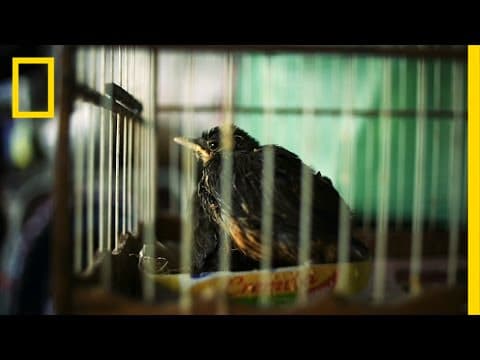
Q: What are the conditions of the birds seized in wildlife trafficking operations?
The conditions of the seized birds are usually very poor, with high levels of stress. These birds are often kept in inadequate cages, which indicates violations of animal welfare standards.
Q: How can genetics aid in combating wildlife trafficking?
By analyzing population genetics, scientists can determine the most likely origin of a shipment of birds or individual birds, allowing efforts to be directed towards specific exploitation hotspots. It also enables the return of birds to their correct place of origin.
Q: What are the consequences of losing wildlife populations or species to trafficking?
Losing populations or species due to wildlife trafficking can disrupt entire ecosystems and lead to imbalances. It is crucial to address this issue to preserve biodiversity and ecosystem stability.
Summary & Key Takeaways
-
Wildlife trafficking in Brazil is a pressing issue, with millions of animals being illegally captured and removed from nature.
-
Conditions of seized animals are often far from acceptable, leading to violations of animal welfare.
-
Collaboration between law enforcement agents and scientists is essential to combat wildlife trafficking.
Read in Other Languages (beta)
Share This Summary 📚
Summarize YouTube Videos and Get Video Transcripts with 1-Click
Try YouTube Summary with ChatGPT & Claude or YouTube Transcript Generator
Explore More Summaries from National Geographic 📚



Summarize YouTube Videos and Get Video Transcripts with 1-Click
Try YouTube Summary with ChatGPT & Claude or YouTube Transcript Generator