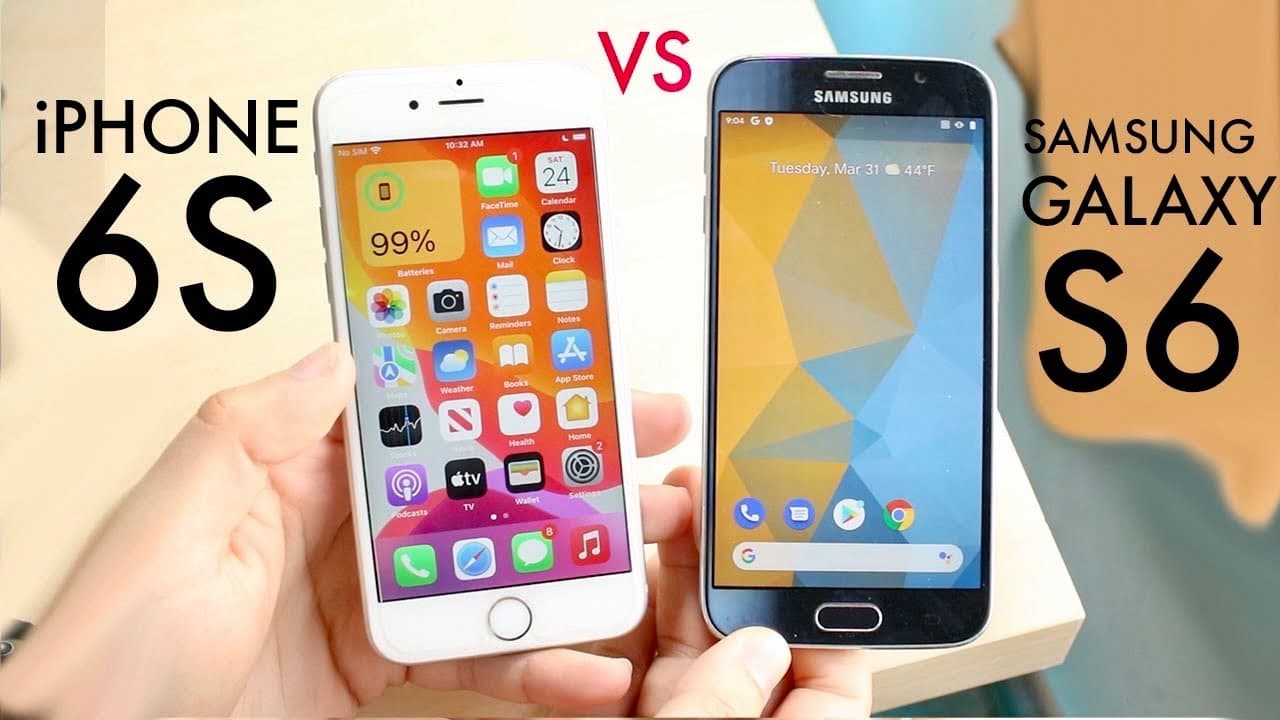
iPhone 6S Vs Samsung Galaxy S6! (7 Years Later) (Comparison)
TL;DR
The iPhone 6s and Galaxy S6 were major competitors from 2015, each with distinct strengths in hardware and software.
Transcript
so I wanted to do a quick little comparison between two different phones that came out many years ago but came out at the exact same year and those two phones were the iPhone 6s and the Samsung Galaxy S6 now both these phones came out like I said the same exact year the iPhone 6s came out kind of in the September range of 2015. the Galaxy S6 came o... Read More
Key Insights
- 💢 Both the iPhone 6s and Samsung Galaxy S6 were flagship devices in 2015, reflecting the competitive smartphone landscape of that era.
- 👤 The design of the Galaxy S6 appeals to users seeking premium materials, while the iPhone 6s emphasizes a classic aesthetic.
- 🛜 Hardware specifications reveal that the Galaxy S6 outperforms the iPhone 6s in display resolution and features like wireless charging.
- ❓ Software updates for the iPhone 6s have outlasted those for the Galaxy S6, illustrating Apple's commitment to extending device usability.
- 👤 Both phones have advanced camera capabilities for their time, yet the software experience influences user satisfaction significantly.
- 💇 iPhone 6s's consistent user experience is attributed to its optimized software rather than cutting-edge hardware.
- 😤 The Galaxy S6 benefits from a strong community interested in custom ROMs, allowing it to endure despite native software limitations.
Install to Summarize YouTube Videos and Get Transcripts
Explore YouTube Video Summarizer or Get YouTube Transcript Extractor
Questions & Answers
Q: How do the design philosophies of the iPhone 6s and Galaxy S6 compare?
Both the iPhone 6s and Galaxy S6 were designed to reflect the trends of their time; the iPhone had a more traditional aluminum frame while the Galaxy employed glass, giving it a more premium feel. The Galaxy S6's curved edges also added a distinctive aesthetic, while the iPhone's more straightforward design remained functional and modern. Both have a similar size and positioning of ports but differ significantly in material and build quality.
Q: What are the key hardware features of both phones?
The iPhone 6s features a 4.7-inch IPS display, while the Galaxy S6 sports a larger 5.1-inch Super AMOLED screen, offering a sharper 1440p resolution. While both came with decent cameras, the Galaxy S6 had an advantage with its wireless charging feature, while the iPhone 6s remained strong due to its uninterrupted longevity in software support. This hardware led to a distinct user experience favoring different aspects depending on preferences.
Q: In which areas does the iPhone 6s outshine the Galaxy S6?
The iPhone 6s excels in software longevity, receiving updates well into 2022 and exhibiting smoother performance over time. Apple’s ecosystem and updates provided users with a seamless experience, which resulted in the 6s maintaining relevance longer than the S6. While it may lack some of the latest hardware features, the overall user experience remains fluid and efficient.
Q: How do the camera capabilities differ between the two phones?
Both the iPhone 6s and Galaxy S6 feature 4K video recording, setting them apart in 2015. The iPhone is noted for its quality and consistency in photo capture but may lack the extensive features found in Galaxy S6’s camera interface. Samsung offered more photo-taking options, yet the iPhone’s software optimization often led to superior image processing results, showcasing the importance of effective camera software.
Q: What makes the Galaxy S6 a durable choice despite lacking software updates?
The Galaxy S6’s hardware design and the availability of custom ROMs have contributed to its durability. Users can upgrade the phone beyond its native Android version, chip enhancements provide flexibility, and the device is favored in enthusiast communities. Its strong build quality, despite software limitations, ensures it remains a viable option for users looking for customizability and longevity in terms of performance.
Q: What are the perceived market positions of the iPhone 6s and Galaxy S6?
The iPhone 6s is often seen as a minor upgrade lacking innovation at the release, but its superior long-term support reshaped its market perception. Conversely, the Galaxy S6 faced criticism for its transition from the Galaxy S5, losing features like water resistance but was praised for its impressive hardware specifications. These contrasting reactions highlight consumer expectations and brand loyalty in the respective ecosystems.
Q: How does the custom ROM community affect the Galaxy S6's usability?
The vibrancy of the custom ROM community keeps the Galaxy S6 usable and relevant beyond its official software lifespan. Users can install newer Android versions, enhancing device functionality and performance. This modding capability has fostered a subculture around the device, proving that while official support may have waned, innovation can come from the user community, extending the phone's longevity.
Summary & Key Takeaways
-
The iPhone 6s and Samsung Galaxy S6 were released in 2015, targeting the same market segment, showcasing different design philosophies and build quality.
-
While the Galaxy S6 boasted superior display quality and wireless charging, the iPhone 6s has outperformed it in long-term software support and user experience.
-
Each phone has its unique camera capabilities, with both offering 4K video but differing in user interface and feature sets, influencing their usability over time.
Read in Other Languages (beta)
Share This Summary 📚
Summarize YouTube Videos and Get Video Transcripts with 1-Click
Try YouTube Summary with ChatGPT & Claude or YouTube Transcript Generator
Explore More Summaries from Simple Alpaca 📚

Summarize YouTube Videos and Get Video Transcripts with 1-Click
Try YouTube Summary with ChatGPT & Claude or YouTube Transcript Generator