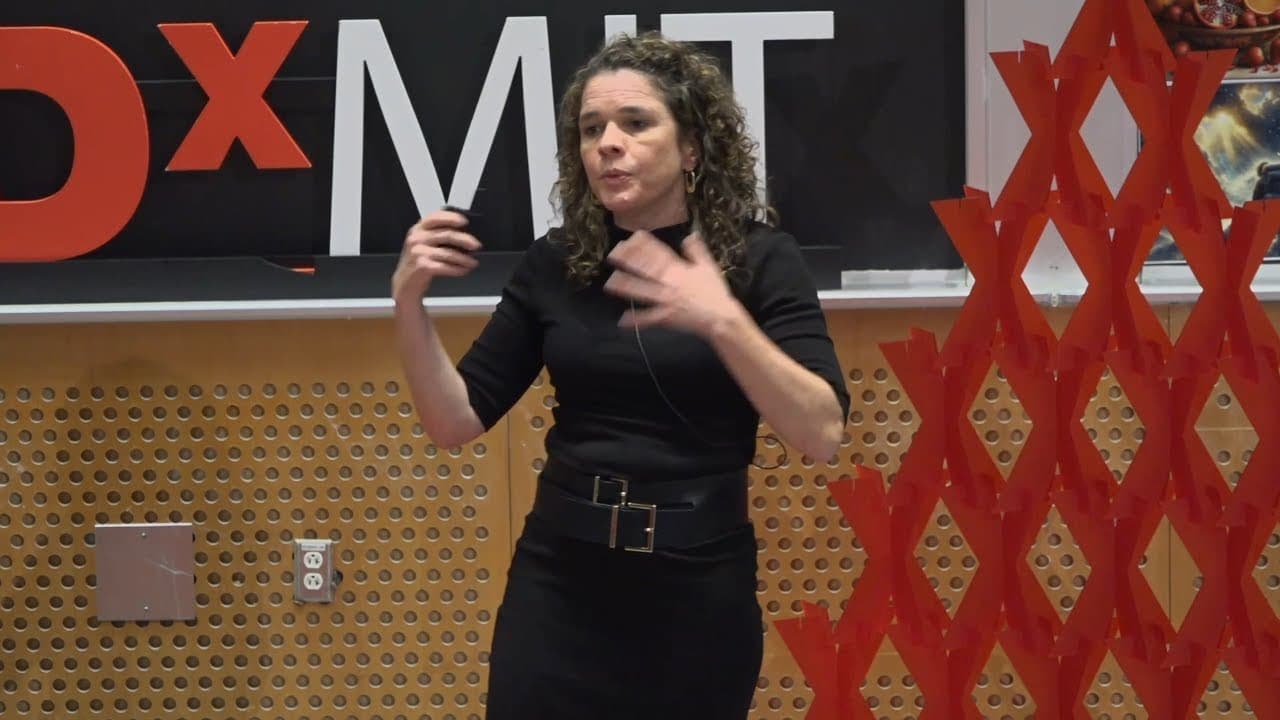
DATA ACTION: Using Data for a Public Good | Sarah Williams | TEDxMIT Salon
TL;DR
This content discusses the importance of data, particularly in areas with missing data, and showcases real-world examples of using data to address transportation and migration issues.
Transcript
if you haven't heard um we're living in an era of Big Data um I heard that many many times today but um I would also say that we're living in an era of missing data many countries in the world don't even have basic census data or infrastructure data essential to allocate desperately needed resources this lack of data further marginalizes what are a... Read More
Key Insights
- 🎟️ Missing data poses a significant challenge to addressing the needs of vulnerable communities and allocating resources effectively.
- 📣 Mobile phone data can be a valuable source of information to fill data gaps and improve understanding of complex systems like informal transit.
- 🔨 Interactive visualizations can be powerful tools for conveying complex data, fostering understanding, and influencing policy decisions.
- 🪛 Data-driven initiatives can have a real impact on policy-making and drive positive change, as demonstrated by the example of opening legal pathways for migrants.
- 🛰️ Empowering individuals to tell their own stories through data visualization can create empathy and understanding, fostering support for social causes.
- 🧑💻 Collaborative efforts involving partnerships with local communities, tech experts, and stakeholders are crucial for successful data-driven initiatives.
- ⚾ Iteration and continuous improvement based on data insights are essential for achieving meaningful change through data-driven solutions.
Install to Summarize YouTube Videos and Get Transcripts
Explore YouTube Video Summarizer or Get YouTube Transcript Extractor
Questions & Answers
Q: What is the significance of missing data in vulnerable communities?
Missing data in vulnerable communities exacerbates their marginalization as it hinders the allocation of essential resources. Without accurate data, it's challenging to understand their needs and develop targeted interventions.
Q: How did the speaker overcome the lack of data on Nairobi's informal transit system?
The speaker leveraged mobile phone data and created an app to collect information on the movement of buses. This data was then used to develop a model and eventually create a map that facilitated better understanding of the system.
Q: How did visualization impact policy-making in relation to migration?
By presenting the migration data in an interactive and accessible format, policymakers were able to gain insights and make informed decisions. The visualization revealed the significant costs associated with migration and influenced the opening of legal pathways for Central American migrants.
Q: How did the speaker engage migrants in telling their own stories?
The speaker created a tapestry of motivations, representing the reasons behind migration, and used it as inspiration to create a physical tapestry made of money. Each dollar had a chip that could be tapped to hear a migrant's story, giving them a voice in the narrative.
Summary & Key Takeaways
-
The speaker talks about the era of "Big Data" but highlights the existence of missing data in many countries, which further marginalizes vulnerable communities.
-
The first example focuses on Nairobi, where the speaker used mobile phone data to create a model of the city's informal transit system, which had a significant impact on policy-making.
-
The second example involves collecting data from migrants and transforming it into an interactive visualization to raise awareness and influence policy decisions.
Read in Other Languages (beta)
Share This Summary 📚
Summarize YouTube Videos and Get Video Transcripts with 1-Click
Try YouTube Summary with ChatGPT & Claude or YouTube Transcript Generator
Explore More Summaries from TEDx Talks 📚





Summarize YouTube Videos and Get Video Transcripts with 1-Click
Try YouTube Summary with ChatGPT & Claude or YouTube Transcript Generator