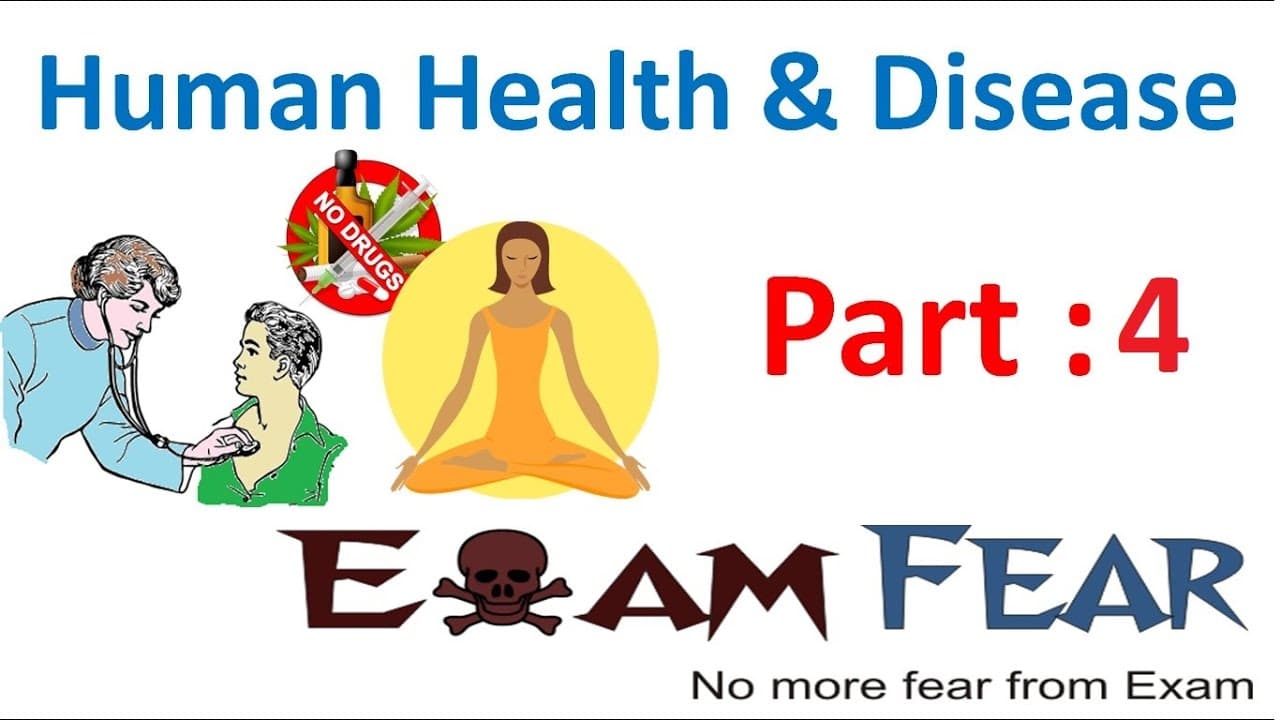
Biology Human Health & Diseases part 4 (Pathogens, Parasites & Host) class 12 XII
TL;DR
Learn about pathogens, parasites, and how infectious diseases spread from person to person, with examples of common diseases and their causes.
Transcript
hello friends this video on human health and diseases part 4 is brought to you by example.com no more fear from exam so now when we talk about infectious diseases that is the diseases which spread from one person to another now the cause of the diseases become very important because it is so infectious diseases is something that is not present insi... Read More
Key Insights
- 👻 Pathogens are disease-causing organisms and most parasites are pathogens, living inside the host organism and benefiting from them.
- 😋 Infectious diseases can be transmitted through various means, including contaminated food, water, air, and vectors like mosquitoes or flies.
- 🥶 Common infectious diseases include typhoid, pneumonia, common cold, malaria, amoebiasis, ascariasis, elephantiasis, and ringworm.
- 🧡 Symptoms of infectious diseases can range from fever to respiratory issues, digestive problems, and skin conditions.
Install to Summarize YouTube Videos and Get Transcripts
Explore YouTube Video Summarizer or Get YouTube Transcript Extractor
Questions & Answers
Q: What are pathogens?
Pathogens are disease-causing organisms that live inside the body of a host organism, causing damage while obtaining nutrition from them.
Q: How do parasites spread?
Parasites can enter the body through contaminated food, water, or air. They can also be introduced by vectors like mosquitoes or flies.
Q: What are some examples of infectious diseases?
Common infectious diseases include typhoid, pneumonia, common cold, malaria, amoebiasis, ascariasis, elephantiasis, and ringworm.
Q: How do infectious diseases spread from person to person?
Infectious diseases can spread through direct contact with an infected person, through contaminated food or water, or through vectors such as mosquitoes.
Q: What are the symptoms of infectious diseases?
Symptoms vary depending on the disease, but common symptoms include fever, cough, diarrhea, vomiting, and skin rashes.
Q: How can infectious diseases be treated?
Treatment depends on the specific disease, but it can include antibiotics, antiviral medications, antifungal drugs, and other supportive therapies.
Summary & Key Takeaways
-
Pathogens are disease-causing organisms that live inside the body of a host organism and obtain nutrition from them.
-
Most parasites are pathogens, causing damage to the host while benefiting from them.
-
Infectious diseases can be spread through contaminated food, water, air, or by vectors such as mosquitoes.
Read in Other Languages (beta)
Share This Summary 📚
Summarize YouTube Videos and Get Video Transcripts with 1-Click
Try YouTube Summary with ChatGPT & Claude or YouTube Transcript Generator
Explore More Summaries from LearnoHub - Class 11, 12 📚


Summarize YouTube Videos and Get Video Transcripts with 1-Click
Try YouTube Summary with ChatGPT & Claude or YouTube Transcript Generator