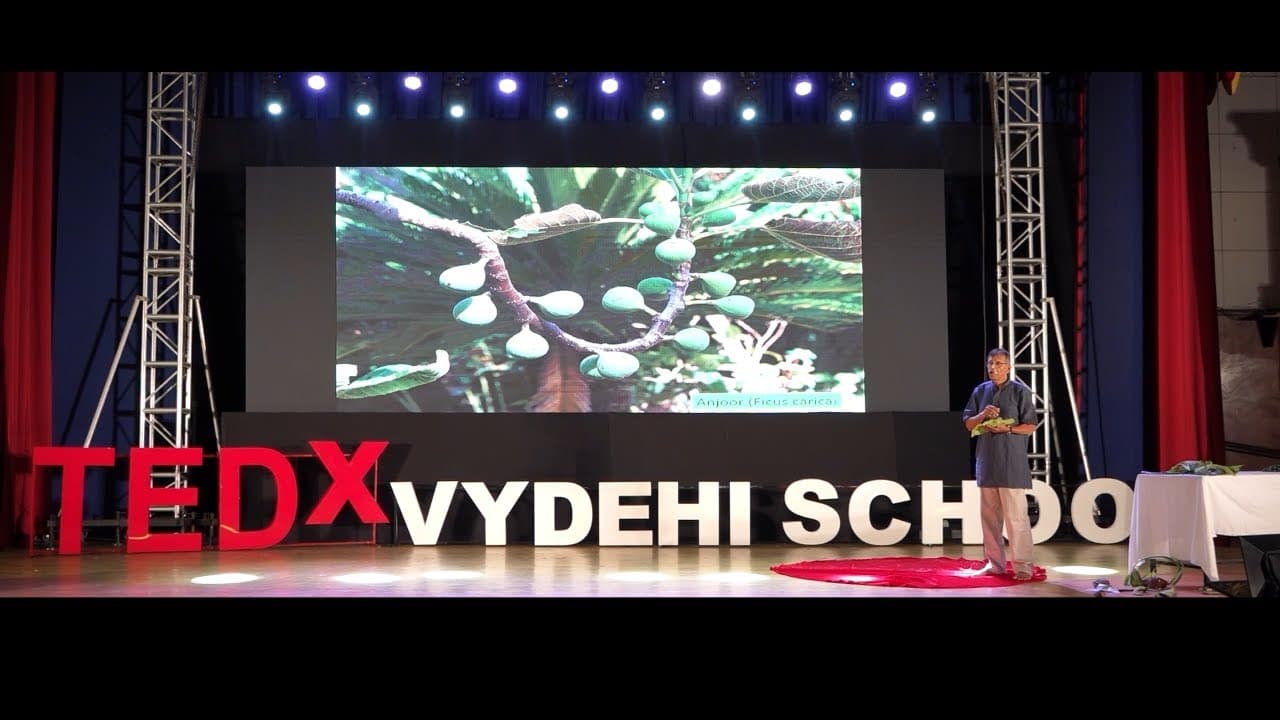
INCLUSION & DIVERSITY | CHANDRASHEKARA A.P. | TEDxVydehiSchool
TL;DR
Food is abundant in nature, with various plants and trees offering a sustainable source of nutrition.
Transcript
today's my topic is food is all around it is the rule of ground if follow everything sound now it is my responsibility to support this statement I have to elaborate this but as a single man I can't give all the supports I need support from a group so I have come with some of our farm members here are some one by one I will be explaining the thing i... Read More
Key Insights
- 😋 Food is abundant in nature, with various plants and trees offering sustainable sources of nutrition.
- 🥘 Many plants have high regeneration capacities, allowing them to sustain themselves and provide food for future generations.
- 😋 Incorporating a diverse range of plants into our diets can promote a healthier and more sustainable food system.
- 🧑⚕️ The cultivation of these plants can help improve soil fertility and overall ecosystem health.
- 😋 The speaker emphasizes the need to shift away from destructive agricultural practices and embrace the natural abundance of food in nature.
- 😋 Nature provides a balanced diet, and the focus should be on understanding and appreciating this balance rather than analyzing and manipulating food composition.
- 😚 The speaker advocates for a closer connection with nature through physically demanding work, which can lead to increased happiness and fulfillment.
Install to Summarize YouTube Videos and Get Transcripts
Explore YouTube Video Summarizer or Get YouTube Transcript Extractor
Questions & Answers
Q: What are some examples of edible plants mentioned in the content?
Some examples include cactus, alocasia colia, breadfruit tree, tree spinach, tree fern, and yam varieties. These plants offer a range of edible parts, from leaves to tubers.
Q: How do these plants regenerate and continue to provide food?
Many of these plants have high regeneration capacities. For example, cactus can be kept in the open shell without refrigeration for six months and then regrow into a big tree when thrown on the soil. Similarly, alocasia colia can be regenerated from small pieces, and tree ferns can regenerate from their own droppings.
Q: What are the benefits of incorporating these plants into our diets?
These plants offer a sustainable source of nutrition as they can grow in any condition without heavy irrigation. They provide a variety of vitamins, minerals, and antioxidants. Additionally, they promote a shift towards physically demanding work and a closer connection with nature.
Q: How does the speaker view agriculture and food production?
The speaker believes that agriculture and food production should be in harmony with nature. They argue that humans should appreciate and protect the abundance of food provided by nature rather than relying on artificial processes.
Summary & Key Takeaways
-
The speaker discusses the abundance of food in nature and emphasizes the importance of supporting and utilizing it.
-
They showcase different plants and trees on their farm that provide edible leaves, stems, tubers, and fruits.
-
The regeneration capacity of these plants is highlighted, with the ability to grow in any condition and sustain thousands of people.
Read in Other Languages (beta)
Share This Summary 📚
Summarize YouTube Videos and Get Video Transcripts with 1-Click
Try YouTube Summary with ChatGPT & Claude or YouTube Transcript Generator
Explore More Summaries from TEDx Talks 📚





Summarize YouTube Videos and Get Video Transcripts with 1-Click
Try YouTube Summary with ChatGPT & Claude or YouTube Transcript Generator