Charlie Munger about executive compensation (DJCO 2022)

TL;DR
Creating better alignment between shareholders and management in compensation programs is essential for maximizing efficiency and shareholder value.
Transcript
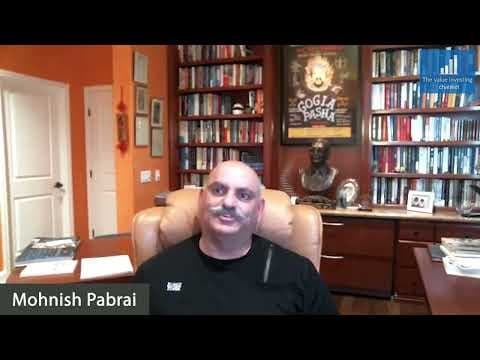
on compensation plans he says there's many examples of public company executive compensation programs that produce misaligned outcomes for executives and for shareholders what are some of the most important compensation related changes investors and boards of directors could make to create a better alignment of interest between the shareholders and... Read More
Key Insights
- 🇨🇫 Compensation programs in public companies often result in misaligned outcomes for executives and shareholders.
- 🌱 To improve alignment, compensation plans should be modified to focus on long-term performance and shareholder value.
- ❓ Personal ownership of property or organizations is crucial for efficient decision-making in capitalism.
- 🛀 The Chinese experience showed the significant benefits of transitioning from collectivist agriculture to individual ownership of land.
- 🔒 Ding Chao Ping's decision to embrace capitalism and private ownership propelled China's economic success.
- 🛟 Capitalism has served China remarkably well, even under a communist government.
- 🌱 Major changes to compensation plans are necessary to align the interests of executives and shareholders.
Install to Summarize YouTube Videos and Get Transcripts
Explore YouTube Video Summarizer or Get YouTube Transcript Extractor
Questions & Answers
Q: What are some important changes that can be made to compensation plans to improve alignmen with shareholders?
Companies can consider tying executive compensation more to long-term performance and shareholder value, implementing clawback provisions for underperformance, and increasing transparency and disclosure of compensation practices.
Q: Why is personal ownership of property or organizations important for efficient decision-making?
When individuals have a personal stake in something, they are more likely to make efficient decisions and prioritize their interests. In capitalism, this leads to better management and decision-making compared to state-owned enterprises.
Q: How did the Chinese transition from collectivist agriculture to individual ownership of land impact grain production?
The Chinese experience showed that transitioning from collectivist agriculture to individual ownership of land led to a significant increase in grain production, by as much as 60% in the first year. This demonstrated the inefficiency of collectivist agriculture compared to capitalist agriculture.
Q: What admirable decision did Ding Chao Ping make as a leader of China?
Ding Chao Ping, one of the greatest leaders in history, made the admirable decision to give up his communist ideology in order to bring prosperity to China. He implemented "communism with Chinese characteristics," which involved granting individuals ownership of property and embracing free enterprise.
Summary & Key Takeaways
-
Many public company compensation programs result in misaligned outcomes for executives and shareholders.
-
To improve alignment, investors and boards of directors should make key changes to compensation plans.
-
Capitalism is most efficient when decision-makers have a personal stake in the property or organization they are managing.
Read in Other Languages (beta)
Share This Summary 📚
Summarize YouTube Videos and Get Video Transcripts with 1-Click
Try YouTube Summary with ChatGPT & Claude or YouTube Transcript Generator
Explore More Summaries from The value investing channel 📚



Summarize YouTube Videos and Get Video Transcripts with 1-Click
Try YouTube Summary with ChatGPT & Claude or YouTube Transcript Generator