Why does this painting make some people cry? | National Gallery
TL;DR
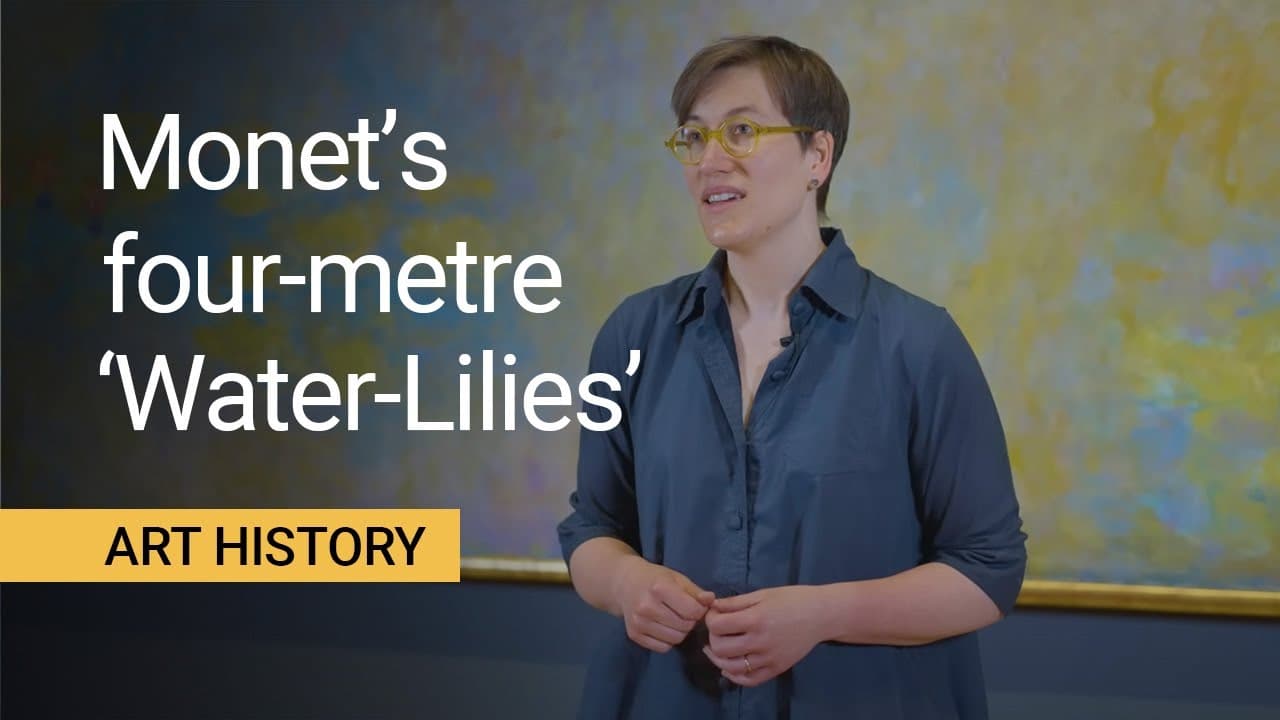
This video discusses why Monet's painting of water lilies makes some people cry and how it relates to the concept of transcendence and peace.
Transcript
I know someone who comes here every time they make a big decision in life and they need to take time to pause, to discern, to wonder. Hi I'm Ayla Lepine. Until the summer of 2022 I was the Ahmanson Fellow in Art and Religion here at the National Gallery. Today we are going to be exploring the question, why does this painting make some people cry an... Read More
Key Insights
- 🖼️ Some people have a strong emotional reaction to certain paintings, such as crying, which can be attributed to a sense of transcendence and awe they experience.
- 🖌️ The Fruits of the Spirit project pairs paintings in the National Gallery with paintings from other museums and galleries across the UK, each representing a certain theme.
- 🌸 Monet's painting of water lilies is associated with the theme of peace and is a source of inspiration and solace for many visitors, who come back to it during important life decisions.
- 🎨 The painting's use of colors, textures, and the absence of edges creates a sense of expansiveness and infinite possibility.
- 🌊 The depiction of water lilies and lily pads on ponds symbolizes new life and hope, representing a spiritual experience for some.
- 👀 Close looking and spending time with the painting is a common practice among visitors, demonstrating a search for peace and a desire to connect with the artwork.
- 🌍 Monet painted the water lilies series during the tumultuous time of World War I, seeking to create a sense of inner peace that could extend to the world.
- 💔 The juxtaposition of the ongoing suffering of war with the serenity and beauty of the garden reflects the artist's desire to transcend the brokenness of the world through art.
Install to Summarize YouTube Videos and Get Transcripts
Explore YouTube Video Summarizer or Get YouTube Transcript Extractor
Questions & Answers
Q: Why do some people cry when they see Monet's painting of water lilies?
People's emotional reaction to art can be deeply personal and subjective. The painting's beauty, symbolism, and themes of peace and transcendence can evoke strong emotions, leading to tears for some individuals. The painting's ability to touch people on a profound level can be attributed to its visual elements, the viewer's personal experiences, and the artist's intentions in creating the work.
Q: What is the significance of the water lily painting in relation to transcendence?
The water lily painting is often associated with transcendence because it has the power to take viewers beyond themselves and invoke a sense of awe and wonder. It can be seen as a spiritual and multi-sensory experience that connects individuals to something greater than themselves. The painting's beauty and its depiction of nature's abundance and serenity contribute to this transcendent quality.
Q: How did Monet's personal experiences influence the creation of the water lily painting?
Monet painted the water lilies during World War I, a time of great suffering and loss. His decision to stay in his garden in Giverny and paint was a way for him to cope with the turmoil and to offer hope and peace through his art. The painting became a symbol of his quest for peace in a broken world and his desire to inspire others to find inner peace.
Q: How does Monet's water lily painting relate to the theme of peace?
The water lily painting represents peace as it is often visited by individuals seeking solace or making important life decisions. Monet intended for his art to provide a sense of inner anchor and hope that could radiate outwards and contribute to peace in communities and the world. The painting's beauty and its depiction of nature's tranquility are symbols of peace and offer a respite from the chaos of the world.
Q: How did Monet's water lily painting transcend traditional artistic boundaries?
Monet's water lily painting challenged traditional notions of art by breaking away from representational accuracy and focusing more on capturing the essence and emotions of a scene. The impasto technique used in the painting, with its thick and textured brushstrokes, gave a sense of depth and movement to the lily pads and the surface of the water. This departure from conventional techniques created a more immersive and emotive experience for viewers.
Q: What role does the concept of transcendence play in experiencing art?
Transcendence, in relation to art, refers to the ability of a work to transport the viewer beyond ordinary perception and evoke feelings of awe, wonder, and connection to something greater. It involves a sense of being taken out of oneself and experiencing a heightened emotional or spiritual state. Transcendence allows viewers to explore deeper aspects of their own consciousness and connect with the universal and the divine, often leading to a profound and transformative experience.
Summary & Key Takeaways
-
The video discusses Monet's painting of water lilies and its ability to evoke emotions such as awe and wonder in people.
-
The painting is seen as a symbol of peace and is often visited by individuals during significant moments in their lives.
-
Monet painted the series of water lilies during World War I as a response to the violence and as an attempt to bring hope and peace to the world.
Read in Other Languages (beta)
Share This Summary 📚
Summarize YouTube Videos and Get Video Transcripts with 1-Click
Try YouTube Summary with ChatGPT & Claude or YouTube Transcript Generator
Explore More Summaries from The National Gallery 📚



Summarize YouTube Videos and Get Video Transcripts with 1-Click
Try YouTube Summary with ChatGPT & Claude or YouTube Transcript Generator