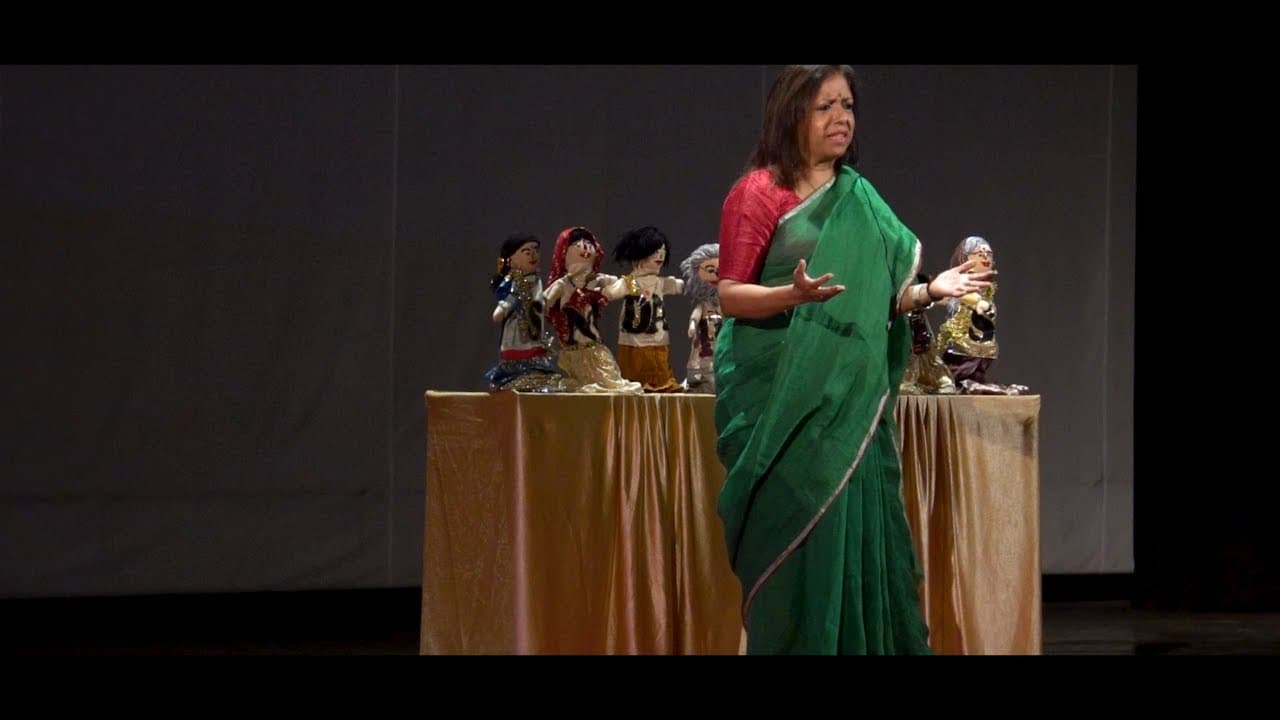
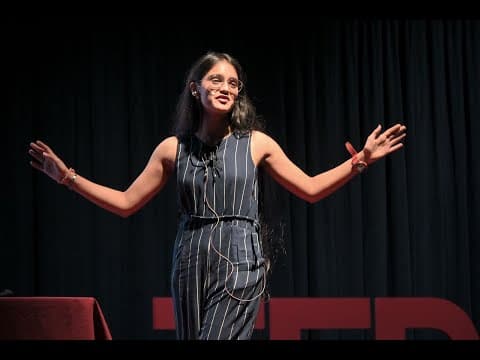
SCIFARI: Science and Storytelling | Usha Venkatraman | TEDxThe Assam Valley School Youth
TL;DR
Discover how storytelling can enhance science education by engaging students and igniting their curiosity.
Transcript
let's start at the very beginning a very good place to start when you read you begin with a b c when you sing you begin with sa re G the first three notes just happen to be sa ma the higher octave s sa if you noticed the notes moved up in an ascending manner if I compare it to ascending numbers by giving every note a number sa is one R is 2 G is th... Read More
Key Insights
- 🧑🎓 Storytelling can be a powerful tool to enhance science education by engaging students and igniting their curiosity.
- 🥰 Integrating art and music in science education helps stimulate the mind, foster creativity, and enhance critical thinking skills.
- 🤩 Persuasion and emotional engagement are key elements of effective storytelling, making the content more compelling and memorable.
- 👻 Storytelling allows scientific concepts to be explained in a narrative and character-driven way, aiding in the internalization and understanding of the content.
- 🤔 The use of storytelling in education aims to eliminate doubt, fear, and foster divergent thinking among students.
- 🔬 Science storytelling festivals and workshops provide platforms to showcase the effectiveness of storytelling in science education.
- 🫒 Animal advocacy can also be incorporated into science education, promoting a holistic understanding of the interconnectedness of all living beings.
Install to Summarize YouTube Videos and Get Transcripts
Explore YouTube Video Summarizer or Get YouTube Transcript Extractor
Questions & Answers
Q: How can storytelling enhance science education?
Storytelling in science education is effective because it combines ideas with emotions, making the content more compelling and memorable for students. Stories engage the audience and empower students to explore scientific concepts in a creative and intuitive way.
Q: What is the significance of integrating art and music in science education?
Integrating art and music in science education helps stimulate the mind and imagination of students. It enhances their ability to think outside the box, encourages critical thinking, and fosters a deeper understanding of scientific concepts through a multi-sensory approach.
Q: How did the speaker use storytelling to teach science in a rural village?
The speaker shared a story about the phases of the moon to teach scientific concepts such as orbits, the lunar calendar, and the solar system. Through storytelling, she made the content relatable and engaging for the rural children, effectively sparking their curiosity in science.
Q: What role does persuasion play in storytelling?
Persuasion is a centerpiece of storytelling as it combines ideas with emotions to create a compelling narrative. By uniting an idea with a strong emotion, storytellers can make their content more persuasive and memorable, ensuring that the audience remembers the story and the underlying message.
Summary & Key Takeaways
-
The speaker discusses her journey of integrating art, storytelling, and music into science education since 1996.
-
She emphasizes the power of storytelling to unite ideas with emotions, making the content more compelling and memorable for students.
-
The speaker shares her experience of using storytelling to teach science in a rural village, highlighting the effectiveness of this approach.
Read in Other Languages (beta)
Share This Summary 📚
Summarize YouTube Videos and Get Video Transcripts with 1-Click
Try YouTube Summary with ChatGPT & Claude or YouTube Transcript Generator
Explore More Summaries from TEDx Talks 📚

Summarize YouTube Videos and Get Video Transcripts with 1-Click
Try YouTube Summary with ChatGPT & Claude or YouTube Transcript Generator