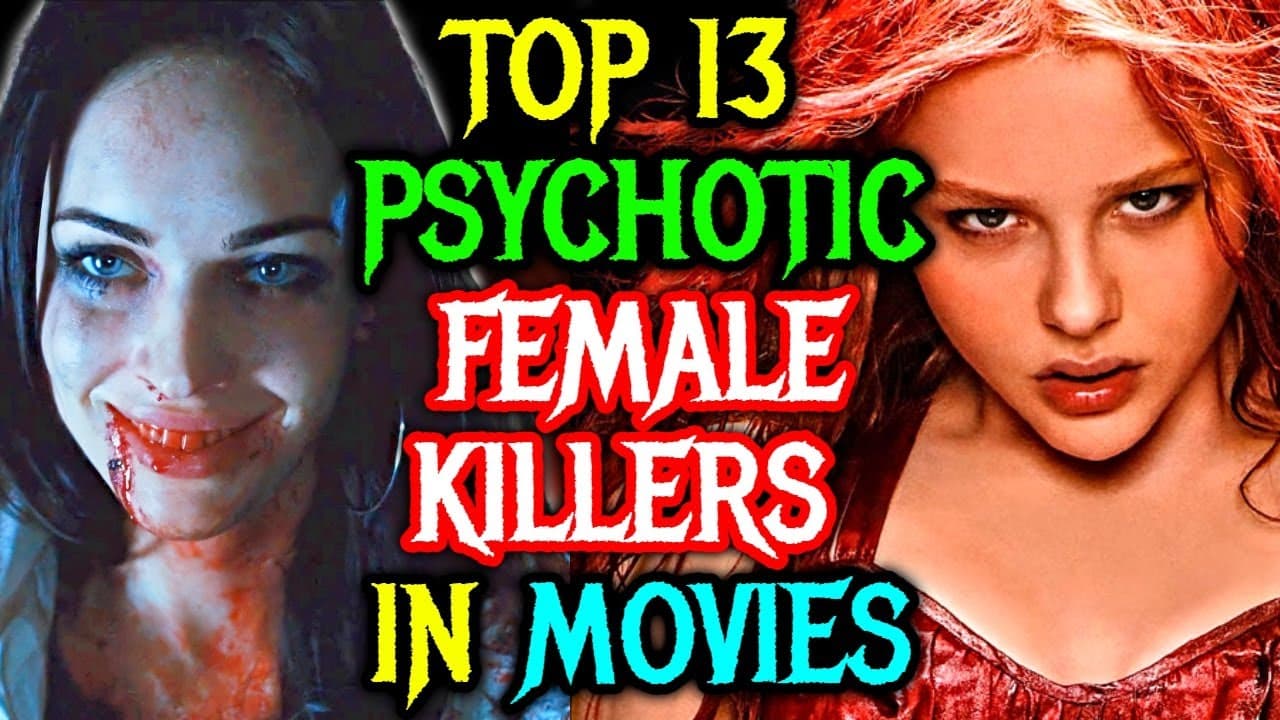
Top 13 Absolutely Psychotic Female Serial Killers in Movies - Explored
TL;DR
The video explores iconic female villains in horror films, challenging gender norms and showcasing their backstories.
Transcript
get out get out horror flicks have long been dominated by male Killers take Norman Bates or Hannibal Lecter for instance Norman might have dawned his mother's clothes for his Killing Spree but at the end of the day he was still a dude but the thing is the horror scene has got some seriously badass female villains shaking things up these women are b... Read More
Key Insights
- 😱 Female villains in horror films often emerge from traumatic backgrounds, offering insights into their motivations and actions.
- 🛟 Many of these characters serve as critiques of societal norms surrounding gender, identity, and violence.
- ❓ Psychological complexities, such as mental illness and obsession, are prevalent in the narratives of characters like Annie Wilkes and Eileen Wuornos.
- 👹 Films featuring female killers frequently challenge stereotypes, showcasing them as multifaceted beings rather than one-dimensional monsters.
- 🤕 The genre increasingly emphasizes the empowerment and agency of female characters, flipping traditional horror tropes on their heads.
- 🕵️♂️ Several narratives address the theme of revenge against male figures or patriarchal society, reflecting deeper social critiques.
- 😱 The blend of horror and dark comedy in characters like Beverly Sutfin explores the absurdities and extremes of suburban life and maternal expectations.
Install to Summarize YouTube Videos and Get Transcripts
Explore YouTube Video Summarizer or Get YouTube Transcript Extractor
Questions & Answers
Q: How do female killers in horror films challenge traditional gender roles?
Female killers like Asami Yamazaki and Angela Baker subvert traditional gender roles by embodying violence typically reserved for male characters. Their stories delve into issues like trauma, revenge, and identity, reflecting societal pressures that drive them to violence. By presenting female murderers as complex individuals rather than mere stereotypes, these films challenge viewers to rethink notions of femininity and aggression in horror.
Q: What psychological themes are explored through characters like Annie Wilkes in "Misery"?
Annie Wilkes epitomizes the intersection of fanaticism and mental illness, showcasing traits like bipolar disorder and obsessive behavior. Her character reveals how extreme devotion can morph into dangerous obsession, reflecting deeper psychological themes of isolation and power. This nuanced portrayal raises questions about the nature of love and the lengths one might go to for their twisted interpretations of affection.
Q: In what ways do the backgrounds of female villains contribute to their actions?
The backstories of female villains often reveal traumas or societal failures that fuel their violent tendencies. For instance, Eileen Wuornos's experiences of abuse and survival inform her actions, making her a complex character driven to callousness. These elements show that violence in female characters often stems from a response to victimization rather than inherent evil, adding depth to their narratives.
Q: How does "Jennifer's Body" subvert expectations of the horror genre?
"Jennifer's Body" reimagines the archetype of the female victim by transforming Jennifer into a powerful, bloodthirsty entity. Rather than being a damsel in distress, she actively hunts and harms young men, flipping the script on traditional horror dynamics. The film also critiques societal expectations of female behavior, exploring the consequences of objectification and the impacts of male desire.
Q: What recurring themes can be found across these female villains?
Common themes among female villains include trauma, societal rejection, and a quest for power or revenge. Characters like Pamela Vorhees and Lola Stone reveal how neglect and abuse inform their murderous paths. These shared elements highlight the intersection of mental health and violence, prompting discussions about the factors that lead individuals to commit heinous acts.
Summary & Key Takeaways
-
The content examines the rise of female killers in horror films, highlighting their unique motivations and complex backgrounds that challenge traditional male villain archetypes.
-
Each featured character possesses a deeply personal history that drives their violent actions, often rooted in trauma, betrayal, or societal rejection, making them compelling villains.
-
Films such as "Audition," "Sleepaway Camp," and "Jennifer's Body" illustrate how these female antagonists not only embody horror elements but also critique societal norms regarding gender and violence.
Read in Other Languages (beta)
Share This Summary 📚
Summarize YouTube Videos and Get Video Transcripts with 1-Click
Try YouTube Summary with ChatGPT & Claude or YouTube Transcript Generator
Explore More Summaries from Marvelous Videos 📚





Summarize YouTube Videos and Get Video Transcripts with 1-Click
Try YouTube Summary with ChatGPT & Claude or YouTube Transcript Generator