How to Minimize Alcohol's Negative Effects
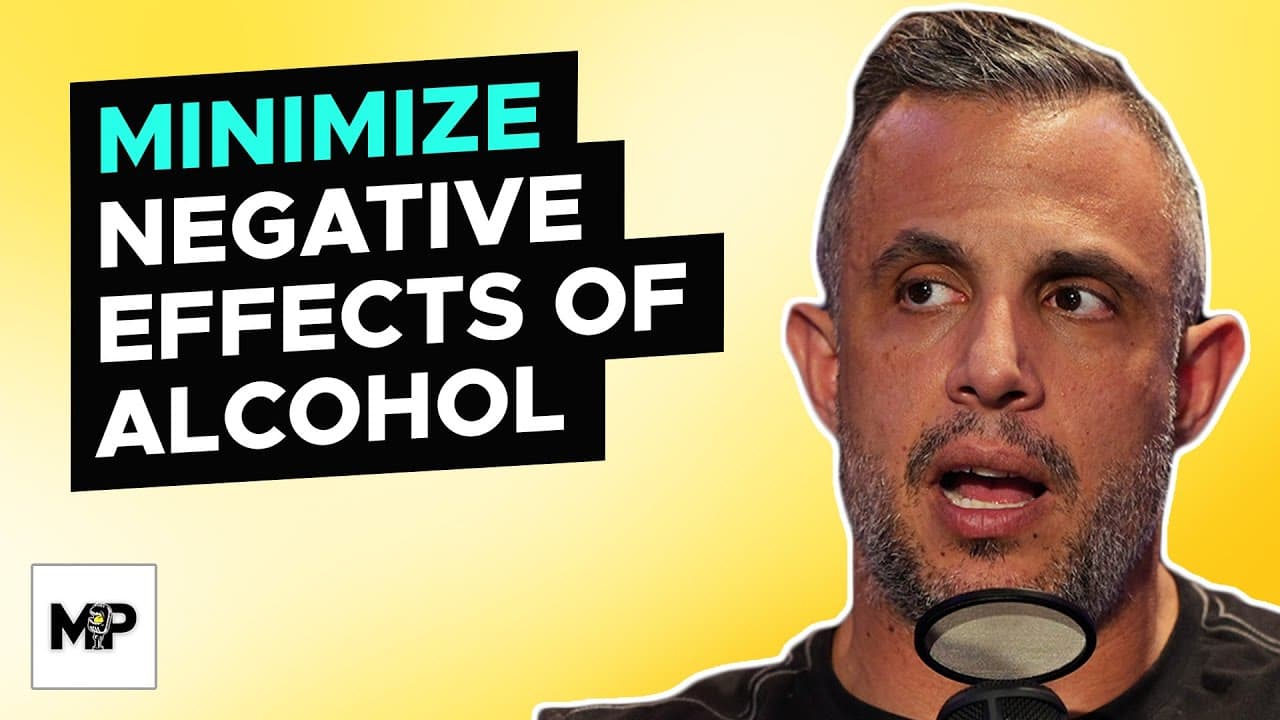
TL;DR
To reduce alcohol's negative effects, avoid drinking late to prevent sleep disruption, stay hydrated with water and electrolytes, and minimize sugar intake to avoid stomach upset. Pace your drinking to maintain fun without reaching excessive intoxication. Consider using ZBiotics, a product that helps break down acetaldehyde, a byproduct of alcohol that contributes to hangovers.
Transcript
minimize the negative effects of alcohol consumption do this don't drink too late if your alcohol consumption disrupts your sleep you're going to get way more negative effects number two drink a lot of water but also electrolytes the electrolytes especially sodium helps you hang on to that water so you don't get that dehydrated hungover feeling num... Read More
Key Insights
- Drinking alcohol late can disrupt sleep, exacerbating negative effects.
- Hydration with water and electrolytes, especially sodium, prevents hangover symptoms.
- Low sugar intake with alcohol reduces stomach upset and calorie consumption.
- Pacing alcohol consumption prevents rapid intoxication and maintains enjoyment.
- ZBiotics can reduce acetaldehyde, a hangover-causing byproduct of alcohol.
- Alcohol affects sleep quality, leading to night sweats and poor rest.
- Genetic factors influence alcohol tolerance; some metabolize it more efficiently.
- Activated charcoal can alleviate gut discomfort by absorbing toxins.
Install to Summarize YouTube Videos and Get Transcripts
Explore YouTube Video Summarizer or Get YouTube Transcript Extractor
Questions & Answers
Q: How to minimize alcohol's negative effects?
To minimize alcohol's negative effects, avoid drinking late to prevent sleep disruption. Stay hydrated with water and electrolytes, particularly sodium, to prevent dehydration and hangover symptoms. Limit sugar intake with alcohol to reduce stomach upset and calorie consumption. Consider using ZBiotics, which helps break down acetaldehyde, a harmful byproduct of alcohol.
Q: Why does alcohol disrupt sleep?
Alcohol disrupts sleep by affecting the sleep cycle, leading to poor quality sleep, night sweats, and frequent awakenings. It can suppress REM sleep, the restorative phase of sleep, leaving you feeling unrested. Drinking alcohol late exacerbates these effects, making it harder to fall and stay asleep.
Q: What role do electrolytes play in preventing hangovers?
Electrolytes, especially sodium, help maintain fluid balance and hydration, reducing the likelihood of dehydration, a common cause of hangover symptoms. Consuming electrolytes with water after drinking alcohol can prevent the dehydrated, hungover feeling by helping the body retain water and maintain electrolyte balance.
Q: What is ZBiotics and how does it work?
ZBiotics is a genetically engineered probiotic that breaks down acetaldehyde, a toxic byproduct of alcohol metabolism. By reducing acetaldehyde levels in the gut before it enters the bloodstream, ZBiotics can alleviate hangover symptoms such as headaches, nausea, and inflammation, improving overall alcohol tolerance.
Q: How does sugar intake affect alcohol consumption?
High sugar intake with alcohol can lead to increased calorie consumption and stomach upset. Sugar combined with alcohol can exacerbate gastrointestinal discomfort and contribute to hangover symptoms. Reducing sugar intake while drinking can help minimize these negative effects and promote better overall health.
Q: What are the genetic factors influencing alcohol tolerance?
Genetic factors, such as variations in enzymes like alcohol dehydrogenase and aldehyde dehydrogenase, influence how efficiently individuals metabolize alcohol. Some people have genetic predispositions that allow them to break down alcohol more effectively, resulting in fewer negative effects, while others may experience more severe reactions even with small amounts of alcohol.
Q: Can activated charcoal help with alcohol consumption?
Activated charcoal can help alleviate gut discomfort by absorbing toxins and preventing their absorption into the bloodstream. While it is not specifically targeted for alcohol, it can provide relief from bloating or sourness in the gut. However, it should not be relied upon as a primary method to counteract alcohol's effects.
Q: Why is pacing important when drinking alcohol?
Pacing alcohol consumption is crucial to prevent rapid intoxication, which can lead to overconsumption and negative effects. By drinking slowly, you allow your body to metabolize alcohol more effectively, maintaining a level of enjoyment without reaching excessive intoxication. This approach helps avoid the negative consequences of drinking too much too quickly.
Summary & Key Takeaways
-
Avoid drinking alcohol late as it disrupts sleep, leading to compounded negative effects. Staying hydrated with water and electrolytes, like sodium, helps prevent hangover symptoms. Consuming alcohol with low sugar content reduces calorie intake and stomach upset.
-
Pacing your drinking can prevent rapid intoxication, allowing you to enjoy alcohol without overconsumption. ZBiotics is a product that can help break down acetaldehyde, a byproduct of alcohol, reducing hangover symptoms.
-
Genetic factors can influence alcohol tolerance, with some people metabolizing it more efficiently. Activated charcoal can be used to alleviate gut discomfort by absorbing toxins and preventing their absorption.
Read in Other Languages (beta)
Share This Summary 📚
Summarize YouTube Videos and Get Video Transcripts with 1-Click
Try YouTube Summary with ChatGPT & Claude or YouTube Transcript Generator
Explore More Summaries from Mind Pump Show 📚


Summarize YouTube Videos and Get Video Transcripts with 1-Click
Try YouTube Summary with ChatGPT & Claude or YouTube Transcript Generator