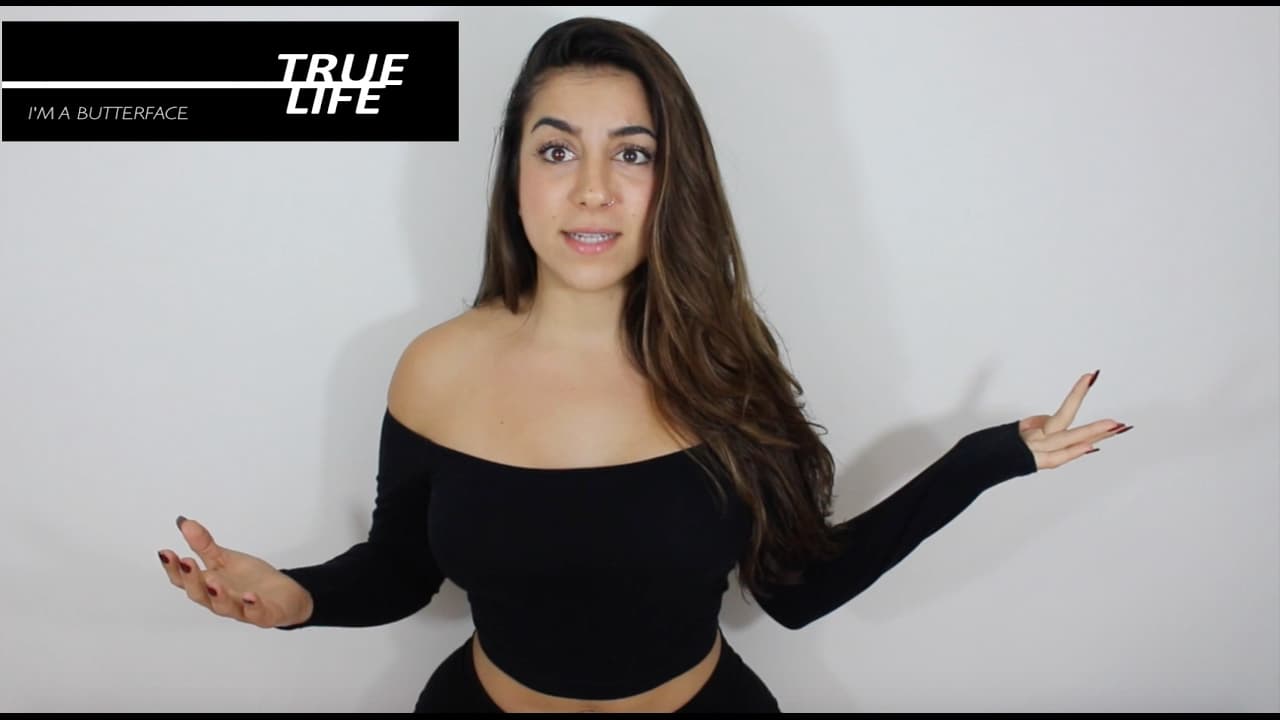
True Life: I'm A BUTTERFACE (Rant)
TL;DR
The speaker addresses online hate and body shaming, sharing personal experiences.
Transcript
hi everyone today I want to talk about something that is very very very important to me butter butter is one of the best sources of fat you know even if you're allergic to uh lactoses or whatever in milk you could still have butter okay I'm just [ __ ] with you I don't want to talk about butter I want to talk about mean things people say in the com... Read More
Key Insights
- 💬 Body shaming comments, like "butterface," perpetuate harmful stereotypes and anxieties about appearance, particularly for women.
- 😮 The rise of social media has intensified scrutiny on personal appearance, leading to a culture of extreme opinions and reactions.
- 🤳 Self-acceptance can be a journey filled with challenges, requiring active processing of both positive and negative feedback.
- 😑 Creating content can serve as a therapeutic outlet, allowing individuals to express their thoughts and feelings about societal pressures.
- 💬 The speaker's comments reflect a broader conversation about the toxicity of internet culture and the emotional toll it takes on individuals.
- 😐 There is a disparity in how negative feedback garners attention compared to constructive or neutral responses from audiences.
- 👾 Emphasizing kindness and understanding amid criticism can foster personal growth and resilience in online spaces.
Install to Summarize YouTube Videos and Get Transcripts
Explore YouTube Video Summarizer or Get YouTube Transcript Extractor
Questions & Answers
Q: What does the term "butterface" mean, and why is it significant in the speaker's discussion?
"Butterface" refers to someone who is considered attractive except for their face, often reducing a person to their appearance. The speaker highlights its significance as a gendered insult that reflects societal pressures on beauty and self-worth, illustrating how such comments can deeply affect one's self-esteem.
Q: How does the speaker handle the overwhelming negativity from online comments?
The speaker acknowledges their sensitivity to criticism and tries to process their emotions through writing. While they still struggle with the hurtful nature of comments, they aim to embrace their flaws and own their insecurities, striving for a thicker skin against negativity.
Q: What underlying message is the speaker conveying through their rant?
The speaker's rant conveys a message of resilience against body shaming and societal expectations. They encourage viewers to recognize the absurdity of focusing on flaws and to redirect their energy to self-acceptance and kindness, both to themselves and others.
Q: Why does the speaker refer to their unexpected rise to fame on social media?
The speaker reflects on their journey from a planned academic path to becoming a social media influencer, emphasizing the unpredictability of life. This rise to fame exposes them to both positive attention and harsh criticism, showcasing the dual nature of online platforms.
Q: How does the speaker relate their past insecurities to their current situation?
The speaker shares that they still often identify with their past self, carrying insecurities from their younger years. Their journey involves recognizing these ingrained feelings and working towards self-acceptance despite the critical opinions they receive online.
Q: What coping mechanisms does the speaker employ to deal with online criticism?
The speaker discusses writing and reflecting on their feelings as forms of coping. By sharing their experiences through video, they create a dialogue about body image and criticism, ultimately using their platform as a means of empowerment and expression.
Q: What does the speaker suggest about the nature of online comments and viewer engagement?
The speaker suggests that people often engage more with content when they have strong negative opinions, driving them to comment. They point out that neutral or positive viewers are less likely to voice their support, posing a challenge when gauging public reception.
Q: What call to action does the speaker leave with their audience?
The speaker encourages viewers to embrace their flaws, speak out about their insecurities, and foster a supportive dialogue. They prompt those who dislike their content to either unsubscribe or engage respectfully, pushing for a more constructive online community.
Summary & Key Takeaways
-
The speaker discusses the derogatory term "butterface" and the gendered nature of such insults, highlighting the stigma surrounding body image in society.
-
They express frustration with online negativity and emphasize the contradiction of viewing hate as a cry for attention while trying to maintain a positive self-image.
-
The content serves as a therapeutic tool for the speaker to process emotions and assert their identity amidst the chaos of social media and personal insecurities.
Read in Other Languages (beta)
Share This Summary 📚
Summarize YouTube Videos and Get Video Transcripts with 1-Click
Try YouTube Summary with ChatGPT & Claude or YouTube Transcript Generator
Explore More Summaries from Lena The Plug 📚



Summarize YouTube Videos and Get Video Transcripts with 1-Click
Try YouTube Summary with ChatGPT & Claude or YouTube Transcript Generator