How to Track Essential Facebook Ad Metrics
TL;DR
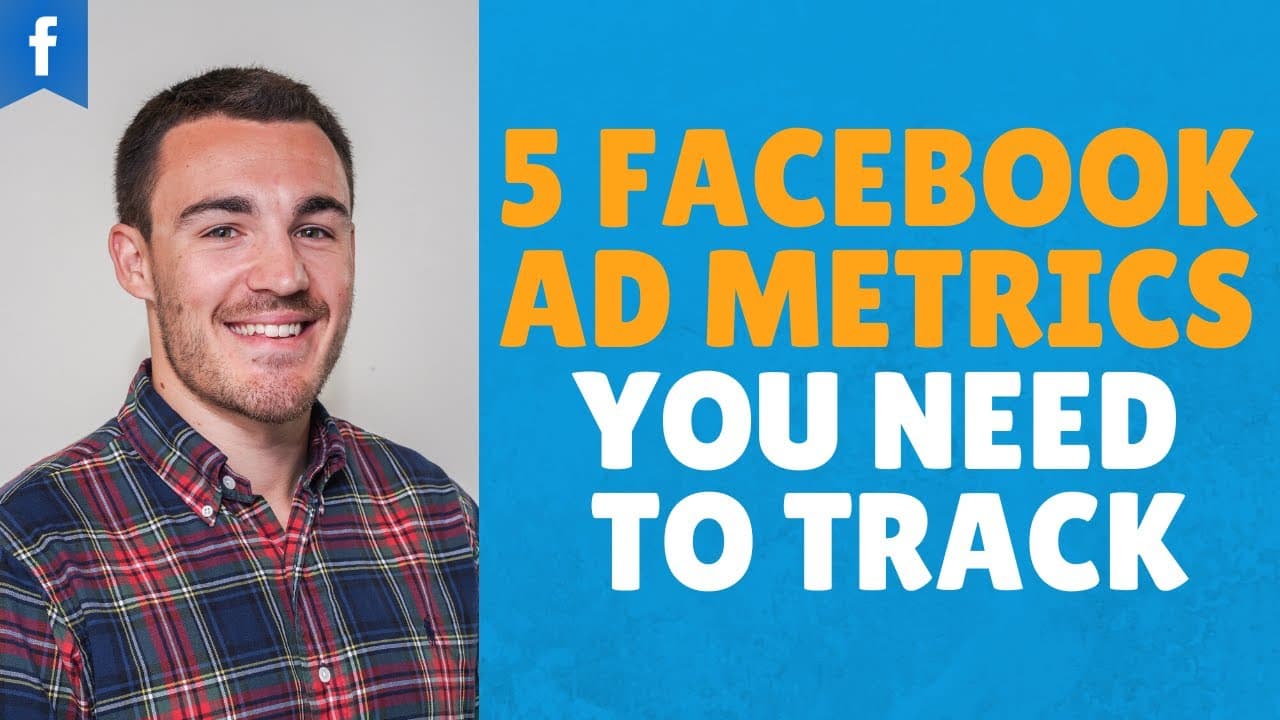
To improve Facebook ad performance, track key metrics like frequency, conversion rate, CPM, and cost per link click. Frequency measures ad exposure, while conversion rate indicates website effectiveness. CPM reflects ad engagement, and cost per link click shows ad appeal. Adjust strategies based on these metrics to optimize campaigns.
Transcript
hi guys it's been Heath from Leaguer and in this video I'm gonna tell you about 5 Facebook advertising metrics that I think you should really be tracking and if you keep on top of them and make adjustments based on the data you see can really help you get better results from your Facebook ads now before I get into the steps into those five tips tha... Read More
Key Insights
- Frequency is the average number of times an audience sees an ad, and a high frequency can lead to diminishing returns.
- Conversion rate from link clicks to desired actions indicates the effectiveness of the website or sales funnel.
- Breaking down conversion stages, like add-to-cart versus purchase, helps identify where users drop off.
- CPM, or cost per thousand impressions, reflects Facebook's pricing model and varies by audience and ad engagement.
- Cost per link click measures how much it costs to drive traffic to a website and varies by industry and location.
- A low CPM with high engagement suggests good ad quality, while a high cost per click may indicate a weak offer.
- Adjusting ad creative can combat ad fatigue and maintain audience interest over time.
- Monitoring these metrics helps optimize campaigns beyond just cost per conversion, ensuring sustained ad performance.
Install to Summarize YouTube Videos and Get Transcripts
Explore YouTube Video Summarizer or Get YouTube Transcript Extractor
Questions & Answers
Q: How to track Facebook ad frequency?
Frequency measures how often an audience sees an ad on average. It's tracked at campaign, ad set, or ad level. A high frequency, especially above 2.5 for cold audiences, can lead to diminishing returns. Adjusting ad creative can help combat ad fatigue and maintain audience interest over time.
Q: What is a good conversion rate for Facebook ads?
A good conversion rate varies by goal. For lead magnets, 40%+ from link clicks to conversions is ideal. E-commerce businesses typically see around 5%. Monitor changes over time and test website adjustments to improve conversion rates. Track stages like add-to-cart versus purchase to identify drop-off points.
Q: Why is CPM important in Facebook advertising?
CPM, or cost per thousand impressions, is crucial as it reflects Facebook's pricing model based on ad engagement. It varies by audience, ad creative, and location. High CPMs may indicate low engagement or annoying ads. Lower CPMs suggest engaging content, which Facebook rewards to maintain user satisfaction.
Q: How to reduce cost per link click in Facebook ads?
Cost per link click varies by industry and location. To reduce it, ensure the ad offer is strong and the call-to-action is clear and compelling. Use limited-time offers or discounts to encourage clicks. Monitor which audiences and ads produce lower CPCs and adjust strategies accordingly.
Q: What indicates a problem in the checkout process for e-commerce?
A high ratio of add-to-carts to purchases, such as 20-30 add-to-carts per purchase, suggests checkout issues. Potential problems include high delivery fees, a complicated checkout process, or a website that doesn't display well on mobile devices. Address these issues to improve conversion rates.
Q: How does ad creative affect Facebook ad performance?
Ad creative significantly impacts performance as engaging content can lower CPM and improve engagement. High frequency can lead to ad fatigue, reducing effectiveness. Regularly updating creative can sustain audience interest and reduce ad blindness, ultimately improving conversion rates and overall campaign success.
Q: What role does Facebook's pricing model play in ad costs?
Facebook's pricing model, based on CPM, charges advertisers per thousand impressions. Engaging ads with high user interaction typically have lower CPMs, as Facebook rewards content that maintains platform satisfaction. Conversely, ads perceived as annoying or unengaging incur higher CPMs, increasing overall ad costs.
Q: How to optimize Facebook ad campaigns beyond cost per conversion?
Beyond cost per conversion, optimize by tracking metrics like frequency, conversion rate, CPM, and cost per link click. Frequency helps manage ad fatigue, while conversion rates highlight funnel issues. CPM indicates ad engagement, and cost per link click shows offer effectiveness. Adjust strategies based on these insights for sustained performance.
Summary & Key Takeaways
-
Tracking Facebook ad metrics like frequency, conversion rate, CPM, and cost per link click is crucial for campaign optimization. Frequency measures how often an audience sees an ad, and high frequency can lead to lower engagement. Conversion rate reflects website effectiveness, while CPM and cost per link click indicate ad engagement and appeal.
-
Frequency is a key metric, as high exposure can reduce ad effectiveness, especially with cold audiences. Adjusting ad creative can help maintain audience interest. Conversion rate from link clicks to actions highlights website or funnel issues, and breaking down conversion stages helps identify where users drop off.
-
CPM reflects Facebook's pricing model based on ad engagement, and cost per link click varies by industry and location. A low CPM with high engagement suggests good ad quality, while a high cost per click may indicate a weak offer. Monitoring these metrics helps optimize campaigns beyond cost per conversion.
Read in Other Languages (beta)
Share This Summary 📚
Summarize YouTube Videos and Get Video Transcripts with 1-Click
Try YouTube Summary with ChatGPT & Claude or YouTube Transcript Generator
Explore More Summaries from Ben Heath 📚
Summarize YouTube Videos and Get Video Transcripts with 1-Click
Try YouTube Summary with ChatGPT & Claude or YouTube Transcript Generator